


Imagine the scene at a summer cookout—the grill is hot, the buns are soft, and the smell of sizzling meat fills the air. You grab a spatula, flip the patty, and suddenly the political circus of Washington comes crashing into your backyard. In a move that feels like a stunt from a political playbook rather than a sound economic policy, President Donald Trump has thrown open the cattle gates, allowing a staggering 300,000 tons of foreign beef to flood the American market, bypassing the usual import quotas for the next 90 days. It is a headline-grabbing maneuver, dripping with the unmistakable scent of midterm election desperation. The cynic in us all looks at this and sees a naked attempt to beef up Republican chances in the upcoming elections, where the gnawing anxiety over the cost of living under a Trump administration is poised to be the defining issue of the race. And, let’s be honest, the cynic is probably right. On the surface, though, who cares about the political motivation? If the price of my steak or the ground chuck for my burgers drops by half, I’d be tempted to cheer. But, as anyone who has ever tried to eat just a slab of raw meat knows, there is a significant catch.
The problem, you see, is that there is far more to a hamburger than the beef itself. Trump’s grand bet seems to forget the bun, the lettuce, the tomato, the cheese, the onions, and every other garnish that stacks up the final bill. It’s a classic case of missing the forest for a single, juicy tree. “We have a commitment that this beef will be sold at 25 percent below current market prices,” Trump declared triumphantly in a Truth Social post early Friday. “This deal will reduce prices for Americans while giving space for our Great American Beef Herd to grow again.” While the promise of cheap meat sounds like a dream come true for the consumer, it is a nightmare in disguise for American ranchers, who will suddenly face a glut of ultra-cheap foreign competition that could undercut their livelihoods. They might sincerely disagree with the notion that more imports are good for them, but that is a problem for a different day, a different headline. The current political calculus is simple: make meat cheap, make voters happy, and hope they forget that their rent is still due, their gas tank is still expensive to fill, and their electricity bill hasn’t magically gotten cheaper.
This latest move is a testament to how the inflation debate has been reduced to a handful of totemic household items that have become powerful symbols of affordability struggles. Remember the great egg crisis under former President Joe Biden? Those exorbitant, $8-per-dozen eggs were the perfect rhetorical weapon for Trump’s 2024 campaign, hammering home the image of a Democratic administration out of touch with kitchen-table economics. Now, Trump is trying to pull the same trick in reverse. He has placed a huge bet on the great American cow, banking that making beef cheaper will evoke a collective sigh of relief across middle America. Yet, while eggs and beef are potent symbols of a struggling household, the cost of living is never high or low because of any one grocery item. Voters experience inflation as a cumulative, overwhelming weight—the creeping rise in energy bills that heat their homes, the astronomical rent checks that eat up half their paycheck, the soaring gas prices (which are particularly brutal right now due to Trump’s ongoing military conflict in Iran), the mounting credit card debt, the rising premiums for health insurance, and the ever-increasing cost of just about everything else. Trump can massage the price of a single protein down before the midterms, but does that saving actually mean anything if the few dollars saved on a family meal are instantly gobbled up by a surprise increase in another bill?
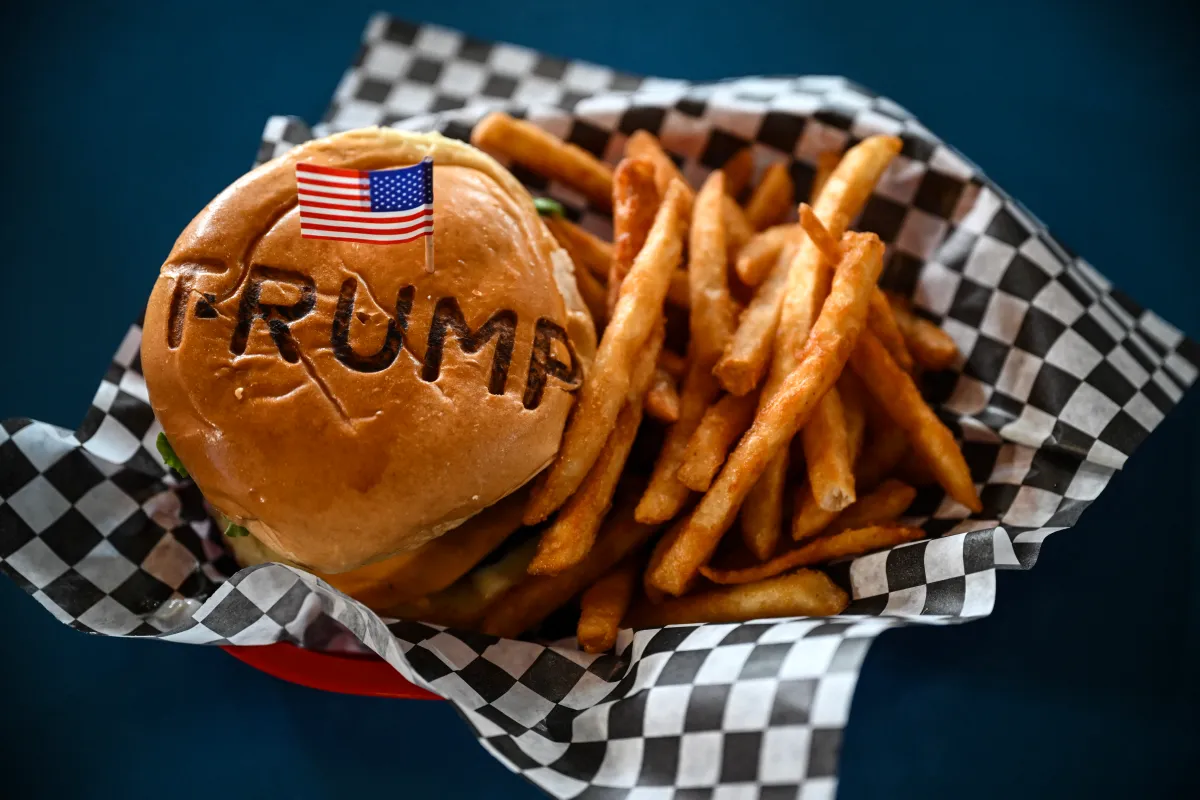
Let’s take a moment to dissect the anatomy of that burger, the very centerpiece of Trump’s new economic strategy, to illustrate exactly why this plan is destined to leave voters unsatisfied. According to the latest data from the Bureau of Labor Statistics (BLS), the price of ground beef has actually surged a staggering 21 percent since Trump took office, climbing from $5.863 per pound in December 2024 to a hefty $7.116 today. So, even with the promised 25 percent import discount, we are simply rolling the clock back a few months. But for the sake of argument, let’s pretend that beef suddenly becomes drastically cheaper than it has ever been. The reality of the matter is that a burger is not just a slab of meat. Over the same period, BLS data reveals that bread rolls have become 3.4 percent more expensive, lettuce has jumped up by 6.5 percent, the tomatoes have increased 3.3 percent, and onions are up a comparable 3.1 percent. If you are a cheese lover, you might catch a glimmer of hope—cheese prices have dropped 3.7 percent over that timeframe. But those savings are marginal, and if you add bacon to the mix, that’s up 1.7 percent. When you stack all these incremental increases in the condiments and the bun, the overall cost of the meal remains stubbornly high. The burger is a microcosm of the entire American economy: pulling one lever down while everything else remains stubbornly inflated doesn’t change the net total on the bottom of your grocery receipt.
Furthermore, this microscopic focus on beef fails to realize that the modern consumer is not a simple creature driven by a single craving. We should acknowledge that average earnings per hour in the U.S. have risen from $35.69 to $37.62 over that same period—an increase of 5.4 percent. But this wage gain barely scratches the surface of the relentless march of price increases across the board. The point here is not the specific numbers but the principle: a burger is made up of more than beef, and this same principle applies to how inflation is truly felt by voters. Statisticians understand this perfectly—when they calculate the Consumer Price Index (CPI), they use a broad basket of goods and services, recognizing that inflation isn’t a single event but a systemic change in the price level of everything we buy. Looking like you are taking decisive action to bring beef prices down is a fantastic story to tell on the campaign trail. It’s a great, juicy, patriotic headline designed to get headlines and generate hype. But it is a hollow victory if the voters don’t physically feel that change as a symbol of broader relief. The dismantling of the egg crisis worked for Trump because the exorbitant price of eggs was a mirror reflecting the broader inflation catastrophe that Democrats were failing to manage.
The fundamental difference between Biden’s eggs and Trump’s beef lies in the scope of the perceived problem. Biden’s expensive eggs represented an inflation crisis that was spiraling out of control across the entire economy—in housing, in energy, in durable goods. It became politically costly because it was a tangible symptom of a massive systemic failure. Conversely, Trump’s discount beef is a targeted band-aid on a system that is still bleeding out. If Trump’s beef giveaway does not represent a broader, visible decline in living costs that resonates simultaneously with every family in every state, then it will, as the old saying goes, simply lack any beef. It will be nothing more than a flash in the pan—a ninety-day blip designed to buy some time, but ultimately destined to be overshadowed by the groaning reality of a full grocery basket, an expensive tank of gas, and a rent check that just keeps getting higher. When the voters head to the polls, they will remember the total sum of their anxiety, not just the price of the meat on their grill. And if that total sum remains high, no amount of imported beef will save a politician’s political appetite.