

For years, the Brooklyn Nets have been trapped in a dizzying, highly emotional cycle of chasing high-profile superstars, abruptly blowing up expensive rosters, and subsequently staring down the bleak barrel of the NBA draft lottery. This summer, however, the narrative shifted toward something far more grounded, sustainable, and ultimately human. It was not an offseason defined by the earth-shattering blockbusters or jaw-dropping, late-night trade alerts that have historically characterized this franchise’s headlines, but that is precisely why it felt so profoundly refreshing to a weary fan base. Instead of swinging wildly for the fences or tanking for a hypothetical savior, the front office adopted a mature, calculated approach aimed at establishing a competitive culture from the ground up. There is a quiet, unmistakable confidence in building a team that actually wants to play basketball together, prioritizing incremental growth and shared accountability over desperate shortcuts. For the first time in what feels like an eternity, the organization approached the hot summer months looking like a franchise determined to forge a path forward rather than passively waiting for luck to strike in the lottery machine. By focusing on roster balance, veteran leadership, and high-character professionals, Brooklyn laid down a foundation that, while not necessarily dominating the 24-hour sports talk shows, signals a healthy departure from the chaotic eras of the past. It is an exercise in patience and pragmatic team building, signaling to both the local fan base and the rest of the league that the Nets are ready to earn their respect the hard way, one grueling possession at a time. This strategic shift suggests that the front office is no longer content with quick-fix illusions, choosing instead to focus on the slow, deliberate work of creating a self-sustaining culture that can withstand the inevitable storms of a grueling NBA calendar.
At the absolute center of this new-look identity is their biggest offseason acquisition, Julius Randle, a player whose rugged style and relentless work ethic perfectly match this blue-collar blueprint. No one in Brooklyn is realistically expecting Randle to single-handedly hoist a championship banner into the rafters of the Barclays Center, nor are they asking him to play the role of an untouchable savior. What he does bring, however, is a relentless, highly dependable veteran presence that this young and often impressionable roster desperately craves as they find their footing in a ruthless league. Randle is a proven commodity in a league where consistent offensive creation is incredibly hard to find, a physical brute who can demand double teams, collapse opposing defenses, and generate high-quality looks for his teammates. Beyond his statistical output, his true value lies in his durability and his willingness to absorb the physical punishment of a grueling eighty-two-game season. He is a player built for the dog days of January and February, when legs get heavy, young minds wander, and the grind of the NBA threatens to derail a rebuilding team’s progress. Having a battle-tested star who can play heavy, high-intensity minutes and maintain his composure through the inevitable losing streaks provides an invaluable safety net for the coaching staff. Randle’s presence ensures that the younger players are not forced into prominent roles they are simply not ready for yet, giving the coaching staff a reliable, battle-scarred engine to keep the offense afloat when things get chaotic on the floor. His addition is less about chasing immediate glory and far more about establishing a baseline of professional competence, providing a steady hand to guide the team through the volatile ups and downs of a long, unforgiving season. He represents the physical and mental anchor that this locker room has sorely missed, a player who understands what it takes to survive and thrive under the bright lights of New York.
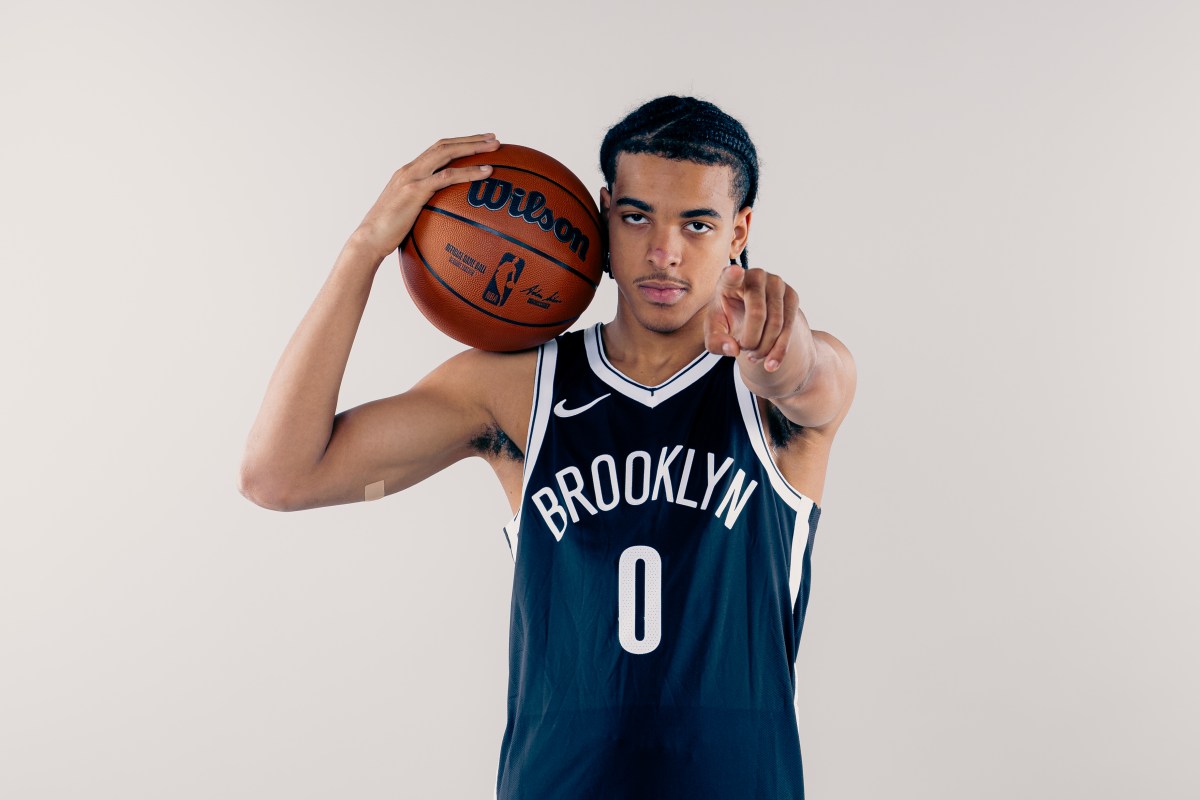
Complementing Randle’s star power are some incredibly intriguing puzzle pieces, starting with the addition of Keon Ellis, who has rapidly transformed into the quintessential modern NBA role player. Ellis brings an infectious, high-octane energy to the defensive end of the floor, a relentless point-of-attack defender who delights in making life absolutely miserable for opposing ball-handlers and star guards. Combined with his increasingly reliable outside shooting, his skill set represents the perfect plug-and-play element that can seamlessly slide into almost any lineup combination the coaching staff dreams up, providing valuable spacing and perimeter defense. On the younger end of the spectrum, the Nets also secured an exciting long-term asset in first-round draft pick Mikel Brown Jr., a prospect whose raw athletic toolkit and tantalizing upside have scouts buzzing with anticipation. Brown is certainly not a finished product, and he will undoubtedly require a significant amount of patience, coaching, and developmental minutes before he can consistently impact winning at the professional level. However, his natural instincts and high basketball IQ make him a project that is absolutely worth investing in for a franchise focused on the long-term horizon. By pairing a polished, defensive-minded contributor like Ellis with a high-ceiling prospect like Brown, the front office has successfully threaded the needle between immediate competence and long-term potential, ensuring the present remains watchable while the future remains incredibly bright. This balanced approach to roster construction shows a deep understanding of how successful franchises are built, refusing to sacrifice tomorrow’s promise for today’s mediocrity, while still giving fans a product they can be proud to support on a nightly basis. Ellis and Brown represent the dual paths of this front office’s vision: one player ready to lock down opponents tonight, and another who could very well lead the franchise into its next great era tomorrow.
Yet, as promising as these additions are, no NBA offseason is without its share of painful sacrifices, and the departure of Nic Claxton stands as a deeply stinging loss for the Brooklyn faithful. Claxton had blossomed into the absolute anchor of the Nets’ defense, a versatile, switchable big man whose unique ability to guard all five positions on the perimeter while simultaneously protecting the rim made him virtually irreplaceable. Trying to replicate his defensive gravity and split-second recovery speed is a monumental task that will likely require a complete schematic overhaul from the coaching staff, as players with his specific physical profile simply do not grow on trees. Adding to the sting of roster turnover is the departure of Ziaire Williams, a young wing who, despite struggling with consistency throughout his tenure, frequently displayed tantalizing flashes of elite athletic ability and scoring punch that made you believe a breakout was just around the corner. Losing both players represents a significant blow to the team’s overall athletic ceiling and defensive identity, serving as a stark reminder that progress in the NBA rarely comes without a heavy cost. The front office will now have to rely on collective effort, disciplined positioning, and tactical scheming to patch up the massive holes left by these departures, forcing the remaining roster to step up in ways they never have before. It is a bittersweet transition, as the excitement of new arrivals is tempered by the reality of losing homegrown talent that fans had watched develop and grow within the organization’s system. This defensive void will test the tactical acumen of the coaching staff, who must now find creative ways to manufacture the rim protection and switchability that Claxton provided so effortlessly. Fans will undoubtedly watch with a mix of anxiety and curiosity to see how the team adapts to life without their premier defensive anchor.
Because of these notable departures, it is easy to look at the summer’s transactions and wonder if the Nets left some of their chips on the table. With a healthy amount of financial flexibility and a collection of assets burning a hole in their pockets, there was a widespread expectation around the league that Brooklyn would strike a deal for another disgruntled superstar or make a splashy, expensive run in free agency. Indeed, for a significant portion of the offseason, the rumor mill was spinning at a frantic pace, suggesting that the front office was actively angling to push all of their chips into the center of the table for a franchise-altering move. Instead of succumbing to the intense pressure of the New York media market or making a desperate trade just for the sake of winning the news cycle, the front office showed an admirable level of discipline, choosing to keep their powder dry. This strategic patience might frustrate fans who crave instant gratification and blockbuster trades, but it prevents the organization from trapping themselves in a mediocre middle ground with a capped-out roster. By resisting the urge to overpay for B-list stars, Brooklyn preserved their precious flexibility, leaving themselves primed to pounce when a truly transcendent superstar eventually becomes available on the trade market. This disciplined approach requires a strong stomach, especially in a city that demands constant action, but it is often the hallmark of front offices that end up building sustainable, championship-caliber organizations rather than short-lived, expensive disappointments. It shows a rare maturity to resist the siren song of a splashy trade when the market isn’t yielding the right value. By choosing to wait, Brooklyn has positioned themselves as a dangerous predator in the trade market, ready to strike when the time is perfect.
Ultimately, this calculated restraint might turn out to be the absolute best decision for the long-term health of the franchise, allowing this current group of players to truly discover what they are capable of before the front office makes any irreversible, high-stakes decisions. This roster deserves a genuine, uninterrupted opportunity to build chemistry, establish a collective culture, and show how their individual talents mesh under real game pressure. If the developmental staff can maximize the potential of their young core while Julius Randle successfully provides the veteran stability and offensive punch he was brought in to deliver, Brooklyn could very easily surprise the skeptics and outperform expectations. They may not be penciled in as championship contenders just yet, but they have quietly built a deep, competitive, and highly entertaining basketball team that will be an absolute chore to play against every single night. In a league that so often rewards extreme tanking or reckless star-chasing, the Nets are charting a middle path of dignity, development, and deliberate progress. It is a gamble on culture, patience, and player development, and if history is any indication, it is precisely the kind of foundation that eventually yields sustained, championship-level success in the years to come. Fans walking into the Barclays Center this season can do so with a sense of genuine excitement, knowing that they are watching the birth of a new era, built on hard work, resilience, and a clear vision for the future. This is a team that will fight for every inch on the hardwood, proving that sometimes the best offseason moves are the ones that allow a team’s soul to grow organically, rather than trying to buy a ready-made identity off the rack.