

The Disillusionment of a Dream Deferred
Picture this: it’s the pinnacle of wrestling hype, the Elimination Chamber, where dreams get forged in steel and sweat. For Cody Rhodes, it was meant to be his coronation, a triumphant march toward WrestleMania glory. Fans and oddsmakers alike had penciled him in as the odds-on favorite to escape that brutal structure, clinch victory, and set up a showdown with Drew McIntyre for the WWE Championship at WrestleMania 42. Rhodes had that star quality, that mix of charisma, athleticism, and heartfelt storytelling that made him a beacon for a new generation of wrestling enthusiasts. From the balconies and living rooms worldwide, people rooted for him—not just as a performer, but as the underdog who’d clawed his way back to relevance after years away. It felt personal; hearing Dave Meltzer’s insider whispers about a Rhodes-McIntyre clash, perhaps spiced up with Jacob Fatu for a triple threat, lit up the imagination. Meltzer, that wrestling historian with veins full of insider lore, had built reputations on such scoops, so why doubt him? Yet, as the night unfolded, the air grew thick with unspoken tension, like a family gathering where the star turns out to be an afterthought. WrestleMania was glimpsed as Rhodes’ red-letter date, a chance to eclipse past heartbreaks and claim his rightful throne. But the WWE script had other ideas, flipping the narrative in ways that left fans questioning if fairy tales were ever anything more than mirages.
The Hushed Rumors and Evolving Plans
Diving deeper into the pre-show buzz, you’d think the wrestling gods had Rhode’s fate sealed. Reports from a month back painted a vivid picture: Rhodes versus McIntyre, maybe Fatu thrown in to stir the pot, making it a battle royale of ambitions under the WrestleMania lights. Meltzer’s insights were gospel to many—those tidbits that felt unearthed from buried scripts, shared in hushed tones among podcast hosts and message boards. It humanized the spectacle; these weren’t just athletes, but storytellers weaving destinies. Rhodes embodied that mid-2000s wrestling revival, a man who’d embraced community, family, and unyielding hope in a sport often mired in skepticism. Fans invested emotionally, buzzing about merch purchases and travel plans, dreaming of that payoff where the good guy wins. But professional wrestling thrives on twists, right? Curveballs keep the drama alive. So, when Meltzer’s vision seemed to evaporate, it wasn’t just about facts—it was about shattered illusions. Did plans change mid-stream? Was there backstage drama, creative shifts, or just the ebb and flow of a living art form? Fans huddled in their fandom corners, dissecting every interview snippet like detectives piecing together a mystery novel. It added a layer of humanity to the chaos; these were real people behind the personas, grappling with expectations and the sting of unpredictability.
The Thrilling Ups and Downs of the Event
Then came the roar of the crowd, the clanging of chambers enclosing nightmares, and the raw spectacle of the Elimination Chamber. Six men entered, but only one emerged with destiny glistening in his eyes: Randy Orton, the veteran icon, the Hall of Faminer who punched his ticket to a WrestleMania main event for the first time in over a decade. Orton’s victory wasn’t just a win; it was a resurrection story, a testament to endurance in a sport that chews up and spits out even the mightiest. Fans erupted in mixed emotions—cheers for the legend, groans for the plot twist. Rhodes, battling valiantly, fell short, his path to ‘Mania momentarily obscured. But amid the sweat and spectacle, a tantalizing mystery unfolded: What Was Inside the WWE Mystery Box? That question, answered live, injected joy and surprise, a reminder that wrestling isn’t just about the main event—it’s about the magic in the details. And whispers persisted: Will Seth Rollins show up in 2026? It hinted at long-term arcs, future reunions, and the sport’s cyclical nature. For Orton, it was vindication, a chance to remind the world why his RKO could end eras. Yet, in those chambers, you could feel the human frailty—the exhaustion, the adrenaline crashes, the dreams deferred for another night. It turned heroes into men, flaws and all.
Rhodes’ Heartfelt Defeat and Lingering Ghosts
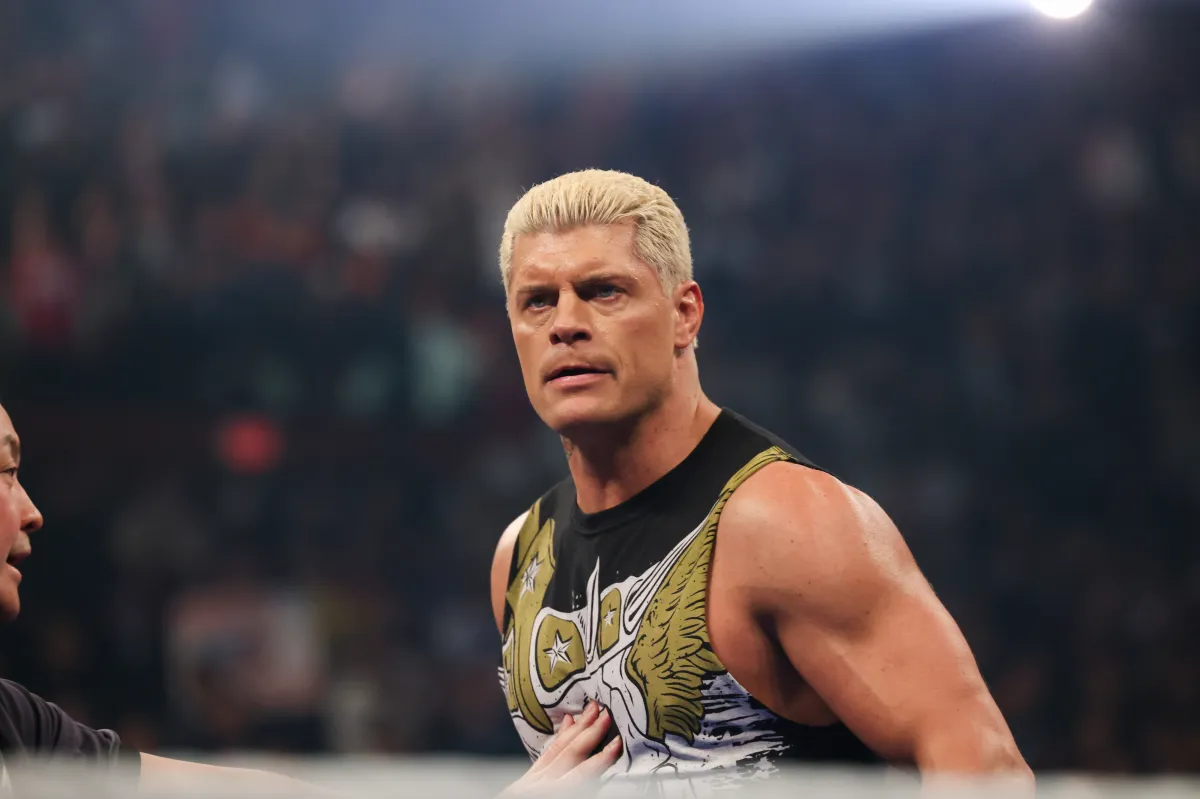
As the dust settled, Cody Rhodes stood there, his expression a mirror of profound sorrow and regret, echoing the haunting gaze he wore after his WrestleMania 39 loss to Roman Reigns—an undefeated titan whose reign felt insurmountable. It wasn’t just a facial expression; it was a window into the soul of a man who’d poured his life into this pursuit. You could almost hear the internal monologue, the what-ifs churning like a storm. Wannabe storytellers traded theories on why victory eluded him this time—was it fatigue from endless feuds, a strategic misstep? Whatever the reason, it humanized him, transforming the American Nightmare into a relatable everyman, battling disappointment. Fans symphatyzed, sharing memes and heartfelt posts, turning his vulnerability into a rallying cry. This wasn’t just defeat; it was a chapter in a larger narrative of perseverance. Rhodes’ past losses carried emotional weight, reminding everyone that champions aren’t born—they’re forged in fire, and sometimes, the flames burn hotter than expected. It added depth to the event, making you root harder for his next chapter, wherever it might lead.
The Intriguing Possibilities and Fan Theories
But the wrestling universe doesn’t end with one match; it spirals into speculation, whispers of alliances and betrayals. The prevailing fan theory? Rhodes and Fatu aren’t out; they’re simmering in the background, waiting to ignite the Orton-McIntyre rivalry before ‘Mania’s official announcements on SmackDown. Imagine a fatal four-way showdown: McIntyre defending against the stiff arm of Orton, the acrobatics of Fatu, and Rhodes’ undying spirit. Or, expanding it further, drag in Sami Zayn’s fiery passion, Aleister Black’s enigmatic darkness, LA Knight’s street-smart edge, or Trick Williams’ raw power. It could morph into an all-out war, a spectacle that defines generations. Fans live for these possibilities, crafting elaborate storyboards in forums, podcasts, and Reddit threads, turning mere rumors into emotional investments. It’s this community spirit that humanizes wrestling—viewers aren’t passive; they’re co-creators, dreaming up endings that tug at heartstrings. Whether it’s a tale of redemption, rivalry reborn, or unpredictable chaos, the potential buzz heightens anticipation. Rhodes, sidelined for now, becomes the tragic hero in waiting, his absence amplifying the drama.
The Definitive Updates and What Lies Ahead
Emerging from the post-event haze, two truths crystallize like diamonds in the rough. First, Randy Orton is locked in for a WWE Championship clash at WrestleMania, a nod to legends who refuse to fade. Second, Cody Rhodes—iconic, indomitable—currently lacks a direct ticket to the main event in seven weeks. It’s a tough pill to swallow for someone who’d felt the weight of destiny on his shoulders. Yet, in wrestling’s tapestry, nothing is ever final. A bombshell update shattered the silence: SmackDown GM Nick Aldis declared that McIntyre must defend his title this Friday against none other than Rhodes. It’s a glimmer of hope, a lifeline tossed into turbulent waters, potentially reigniting Rhodes’ momentum toward ‘Mania redemption. Fans breathed a collective sigh, hearts racing with renewed excitement. This twist humanizes the machine—reminding us of WWE as a live entity, evolving with character decisions, creative whims, and audience feedback. For Rhodes, it’s validation; for Orton, a tantalizing preview. As the calendar flips toward March, the wrestling world pulses with possibility, emotion, and the unbreakable bond between performers and their captivated fans. In the end, ‘Mania might just redefine everyone’s legacies, turning setbacks into stepping stones.