


The Crucible of the Superdome: Shedeur Sanders’ Trial by Fire
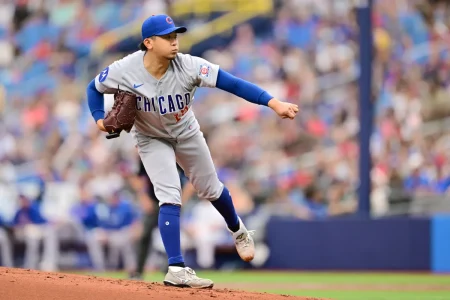
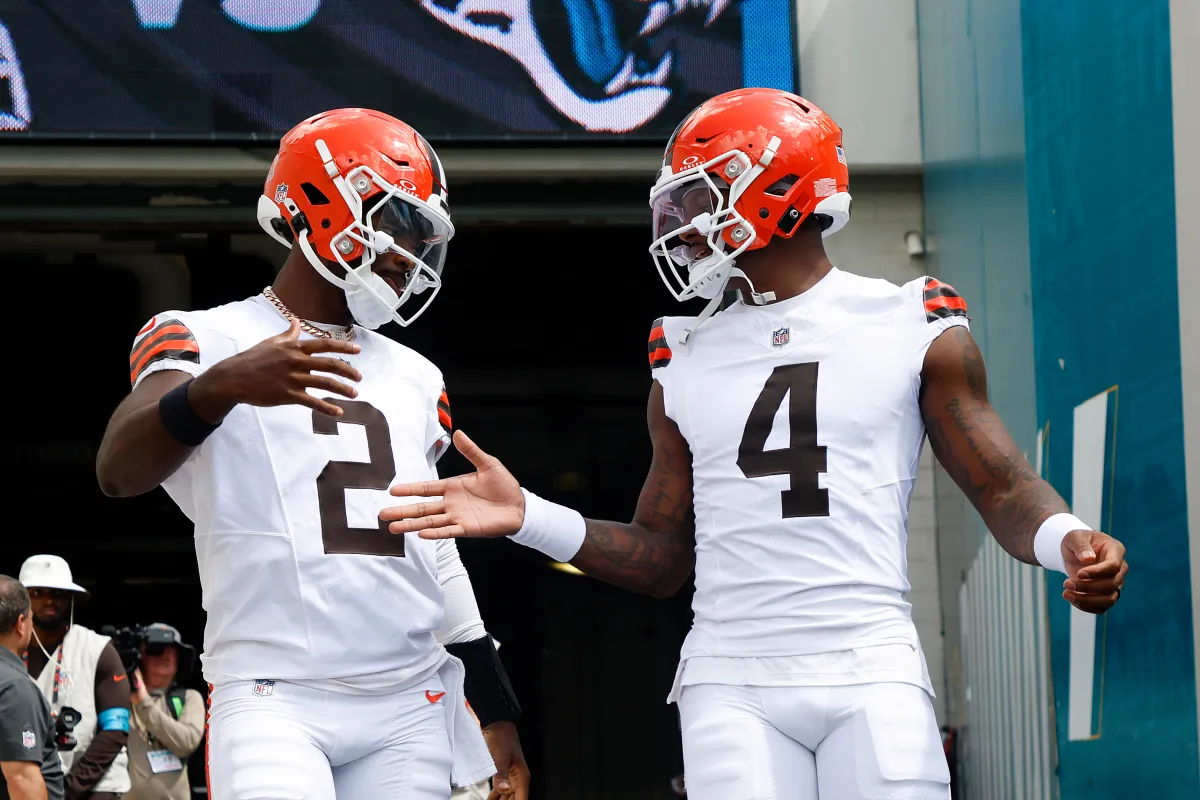
The National Football League is a brutal symphony of opportunity and heartbreak, and for a young man carrying a famous last name, every snap feels like a lifetime audition. This past Sunday, in the raucous and intimidating atmosphere of the Caesars Superdome, Shedeur Sanders was thrust into the white-hot spotlight. It wasn’t part of the script—he was supposed to be the backup, the project, the future—but fate intervened. Deshaun Watson, the Cleveland Browns’ $230 million investment, was still tangled in the NFL’s concussion protocol, his brain too foggy to lead the offense. So, the weight of the entire franchise, its desperate fanbase, and its playoff ambitions fell squarely onto the shoulders of a rookie quarterback who had been patiently waiting in the shadows. The Superdome is a cauldron of noise, a place where opposing offenses go to die, but Sanders walked onto that turf with a swagger inherited from his father, Deion, and a quiet confidence that belied his experience. He wasn’t just playing for a win; he was playing to prove to every general manager and scout watching that he was more than a viral highlight reel. He was playing to prove that the future of the Cleveland Browns—or any team—had a name, and it was Shedeur.
And what a breathtaking answer he provided. Against a fierce New Orleans Saints pass rush that lives to devour young quarterbacks, against a crowd that screamed for his failure at every down, Sanders remained an oasis of calm. He completed 19 of his 31 pass attempts, but the cold statistics fail to capture the artistry of his performance. He threw for 297 yards, delivering two touchdowns with zero interceptions—a masterclass in efficiency, decision-making, and poise. He threaded the needle on third-and-long, launching a deep ball that traveled sixty yards in the air and dropped perfectly into the receiver’s outstretched arms, silencing the crowd for a fleeting moment. When the pocket collapsed around him, he didn’t panic; he slid, stepped up, and extended the play with his legs, turning potential sacks into gains. This was the Shedeur Sanders that had dazzled the college football world—first at Jackson State, then at Colorado—the signal-caller with the rare blend of raw arm talent and icy, photographic memory. He was surgical, fearless, and utterly in command. For three and a half quarters, he looked less like a rookie filling in and more like a seasoned veteran who had been preparing his entire life for this exact moment, giving the Browns everything they could have possibly asked for, and igniting a flame of hope that perhaps the rebuild was already over.
But the NFL is a cold, unforgiving mistress, and heroics are often defined by a single solitary play. With the game hanging in the balance, the Browns engineered a magical, desperate drive down the field. The clock ticked, the pressure mounted, and Sanders stood tall, converting pressure into points and moving the chains with a frantic, electric urgency that had the Superdome suddenly, eerily silent. They reached the precipice of a monumental victory, and the coaching staff made the aggressive call: go for the two-point conversion to take the lead, or perhaps even the win, right there on the road. The play was drawn, the snap came, and the Saints defense, sensing the kill, brought the house. Sanders, with no time to think, fired a pass into the tightest of windows. It fell incomplete. The scoreboard flashed the brutal reality: 23-22. The silence that followed wasn’t from the frustrated New Orleans fans; it was the stifled breath of the Browns’ sideline. The impossible dream dissolved into a devastating loss. Sanders stood there, helmet off, staring at the turf, the weight of a thousand missed opportunities settling on his shoulders. He had thrown for 297 yards, he had delivered two touchdowns, he had left every ounce of his collegiate glory on the field—but in the National Football League, “almost” is a synonym for failure. The crushing defeat dropped the Browns to 5-4, and the narrative instantly shifted from one of promise to one of what-if, leaving a bitter taste in the mouths of everyone who had allowed themselves to dream.
The football world turns with dizzying speed, and by Monday morning, the rumors were swirling faster than a northern blizzard. On the surface, it seemed like the obvious move—ride the hot hand, stick with the kid who had just proven he could sling it with the best. But the Cleveland Browns are a franchise built on pragmatism and a historical curse of organizational dysfunction. According to ESPN’s Jeremy Fowler, the team’s plan is to hand the football right back to Deshaun Watson as soon as he is cleared from the concussion protocol. This isn’t an indictment of Sanders; it’s a cold, harsh business decision. Watson carries a fully guaranteed contract that renders him untradeable and unbenchable in the eyes of ownership. They have invested not just millions, but political capital, draft picks, and their public reputation in him. To sit a healthy Watson for a rookie—even a brilliant one—would be an admission of a catastrophic miscalculation that could unravel the entire front office. So, Sanders gets the hook. He returns to the clipboard, the headphones, and the sideline, after vividly proving that he might actually be the better quarterback on the roster right now. This is the cruel reality of the NFL hierarchy: loyalty is a luxury, and winning is the only currency that matters. Sanders must swallow his pride, understand the intricate politics of the league, and wait for another opportunity that may not arrive until next season, learning the bitter lesson that talent is often secondary to contract value.
While the pendulum of the quarterback carousel swings, the broader picture for Cleveland is growing murkier with each passing week. At 5-4, they are far from eliminated from playoff contention, but they find themselves staring up at the Pittsburgh Steelers and the Cincinnati Bengals, both sitting pretty at 6-2 in the unforgiving AFC North. This division is a gauntlet, a brutal weekly grind of physical defenses and hostile environments where a single loss can feel like a dagger to the heart. To stay alive in the hunt, they cannot afford to stumble, especially when heading into a Week 10 tilt against a struggling Houston Texans team that they should beat. But the instability under center is the proverbial knife in the tire of their championship ambitions. Watson hasn’t looked like the elite, MVP-caliber signal-caller he was during his early days in Houston; his play has been inconsistent, and his chronic injury issues—the very reason Sanders got the call—cast a persistent shadow over every drive. The team is trying to balance an elite, win-now defense with a skill-position group that is starving for dependable quarterbacking. When they hand the keys back to Watson, they are betting on a ghost of the past, hoping that the rust and the nerves will finally shake off. If he struggles against the Texans, the echoes of Sanders’ performance in New Orleans will become a deafening roar from the stands, and the head coach’s seat will grow uncomfortably hot. The organization is walking a tightrope, balancing the immense weight of a historic contract against the fleeting, desperate quest for a Lombardi Trophy, and every single play feels like a referendum on their collective wisdom.
In the grand tapestry of this Week 9 affair, the game itself transcended the final score. It was a microcosm of the relentless quarterback carousel that defines modern professional sports—a story of youth, desperation, injury, and unforgiving financial logic. Shedeur Sanders emerged from the Superdome as a winner in the court of public opinion, a young man who proved his mettle, showcased his undeniable talent, and demonstrated the mental fortitude that general managers desperately crave. He doesn’t have a victory to show for it, but he leaves New Orleans with a treasure trove of film that will be pored over by scouts for years, solidifying his value as a future franchise cornerstone. Now, the Browns turn their laser focus to the Texans on Sunday at 1 PM ET. Watson will likely return, and the noise will momentarily subside as the familiar hum of a normal NFL week resumes. But the echo of Sanders’ performance will linger in the hallways of Berea, in the front office, and in the burnt-orange hearts of the fans. A question will remain, unspoken but omnipresent: What if? What if they had let the kid play out the season? What if that two-point conversion had just an inch more air under it? The NFL is a results-driven business, and for now, the result is a 5-4 record, a lingering concussion, and a quarterback controversy that refuses to die. For Sanders, this was merely the first act of what promises to be a long, storied career, full of future auditions. For the Browns, it was a stark reminder that in the ruthless pursuit of greatness, the future refuses to wait quietly on the bench. The season continues, the stakes rise, and the relentless, beautiful, agonizing drama of the gridiron never truly stops.