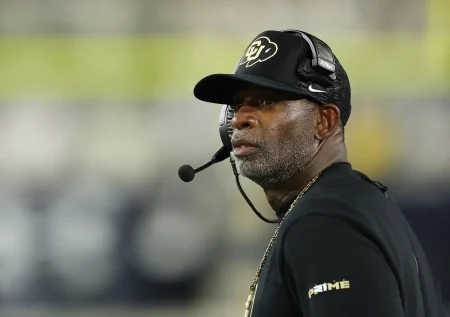






In the quiet warmth of a summer afternoon, far removed from the deafening roars of packed stadiums and the blinding glare of television cameras, Dallas Cowboys head coach Brian Schottenheimer sat down alongside his wife, Gemmi, for an appearance on “The Twins Take Podcast.” It was a setting that invited deep intimacy and vulnerability, a rare and refreshing departure from the tightly scripted, risk-averse world of modern NFL press conferences where coaches often hide behind safe, carefully sanitized platitudes. In this relaxed space, surrounded by family and love, Schottenheimer did something few in his profession dare to do: he spoke his deepest, most terrifyingly grand ambitions directly into existence. “We talk very openly about, ‘We want to win a Super Bowl,'” he shared, his voice carrying a powerful mixture of reverence and steely resolve. This unyielding attitude is not merely a product of personal ambition; it is a profound psychological inheritance, passed down from his late father, Marty Schottenheimer, one of the most legendary and respected figures in professional football history. Marty was a titan of the game, a man wired to confront challenges head-on and define his goals with unapologetic clarity, even when the ultimate prize cruelly eluded him during his own illustrious coaching career. For Brian, refusing to back down from the ultimate prize is a way of keeping his father’s spirit alive, honoring a legacy of relentless pursuit that never quite captured that elusive ring. Rather than shrinking from the monumental pressure that comes with leading America’s Team, Brian chooses to embrace it as a sacred duty, refusing to play safe with his words or his dreams, and proving that the emotional ties of family can serve as the ultimate fuel for athletic greatness. He actively rejects the modern trend of lowering expectations to protect oneself from criticism, choosing instead to stand tall in his conviction.
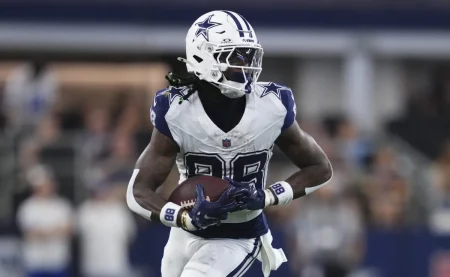
What makes Schottenheimer’s vocal pursuit of the Lombardi Trophy so deeply compelling is that it is entirely devoid of self-centered vanity; instead, his dream is fueled by a profound, almost pastoral sense of leadership. When he envisions hoisting the championship trophy, he does not see his own name etched into history, but rather the faces of the young men who bleed, sweat, and sacrifice under his guidance. During the podcast, he spoke with palpable emotion about wanting to win the big game for his players, specifically calling out stars like quarterback Dak Prescott, wide receiver CeeDee Lamb, and defensive force Quinnen Williams, alongside all the other gridiron warriors who pour their souls into this demanding sport. He understands the heavy, often agonizing physical and mental toll that a professional football season exacts on these athletes—the endless hours of film study, the grueling rehabilitation of broken bodies, and the precious time stolen away from their own families. For a player like Prescott, who has endured immense personal tragedy, horrific injuries, and relentless media scrutiny, or Lamb, who carries the historic weight of the legendary Cowboys number eighty-eight jersey, a championship would be a life-altering vindication. Schottenheimer’s leadership is defined by this deep-seated empathy, a rare quality in a highly commodified league where players are too often treated as assets rather than human beings. By shifting the focus of his ambition from personal glory to collective redemption, he transforms the quest for a Super Bowl into a deeply spiritual mission of love, gratitude, and mutual respect, promising to fight alongside them until the very end.
As the summer heat began to bake the turf at the Dallas Cowboys’ training camp, the cozy atmosphere of the podcast studio gave way to the gritty, high-stakes reality of preparing for an NFL season under the intense microscope of the national media. When speaking to these outlets, he was fully aware that every word would be dissected by analysts and fans alike, yet he welcomed the scrutiny. When Schottenheimer sat down with “Inside Football” and the Wingo Network, he did not seek shelter in traditional, evasive coach-speak; instead, he chose to double down on his bold statements, standing firmly behind the targets he had painted on his team’s back. He revealed that upon taking the job, his mission was defined by two monumental pillars: to foster the single greatest culture in all of professional sports, and to win a world championship. In the ultra-competitive, hyper-critical landscape of the NFL, openly declaring such lofty goals is often viewed as tactical heresy, an open invitation for opponents to play with an extra layer of motivation and venom. Schottenheimer, however, views this “bullseye” not as a dangerous liability, but as a necessary crucible for growth, believing that if his players are to achieve greatness, they must first become entirely comfortable speaking the language of champions. It is an intentional effort to build psychological resilience, teaching his locker room that pressure is not something to be feared or evaded, but a privilege to be embraced. By demanding that his team confront their highest aspirations in the public eye, he is attempting to strip away the fear of failure, replacing it with a shared, unbreakable belief that they belong on the grandest stage of all.
To truly understand the audacity of Schottenheimer’s promises, one must look closely at the long, dark shadow cast by the Dallas Cowboys’ history. It has been nearly three decades since the franchise last reached the NFC Championship Game, a staggering drought that began immediately after they won their third Super Bowl in four years to conclude the historic 1995 season. Since that chilly January night in 1996, the Cowboys have managed a meager five playoff victories, transforming “America’s Team” from an unstoppable powerhouse into a symbol of unmet expectations and postseason heartbreak. Generations of loyal fans have endured a cyclical nightmare of regular-season brilliance followed by devastating January collapses, making the famous blue star on the helmet feel less like a badge of honor and more like an anchor of immense, suffocating pressure. Every coach who steps into the facility at the Star in Frisco must find a way to coexist with the ghosts of Troy Aikman, Emmitt Smith, and Michael Irvin, knowing that anything short of a parade is viewed as an abject failure by a demanding global fanbase. Under the constant pressure of owner Jerry Jones’ intense spotlight, the team’s struggles have been magnified tenfold, turning every minor setback into a national crisis. By loudly claiming that his team belongs in the championship conversation, Schottenheimer is actively challenging thirty years of accumulated disappointment, attempting to break a psychological curse that has paralyzed many talented Dallas squads of the past. He refuses to let the failures of previous generations dictate the potential of his current roster, urging his players to write their own history.
The sobering reality of the present, however, stands in stark contrast to these golden dreams of past and future glory, as evidenced by the team’s frustrating 7-9-1 record last season. Under Schottenheimer’s leadership, the Cowboys put on a weekly display of Jekyll-and-Hyde football, boasting one of the league’s most explosive, high-scoring offenses while simultaneously suffering from a porous, undisciplined defense that routinely collapsed at the worst possible moments. Missing the playoffs for a second consecutive year was a bitter pill to swallow, exposing the massive, painful chasm that exists between lofty offseason rhetoric and actual gridiron execution. It is in this uncomfortable space—the gap between who we wish to be and who we currently are—where the true human drama of sports unfolds. It is a place of self-doubt, hard truths, and the relentless search for identity. The pain of those defensive lapses and the quiet, somber locker rooms of the previous season have forced a deep internal reckoning among the players and coaching staff alike. Schottenheimer knows all too well that talking about greatness is easy, but building the defensive grit, physical discipline, and situational awareness required to close out tight games is a brutal, unglamorous process that requires daily, unyielding commitment. He understands that a team cannot simply coast on offensive brilliance; they must develop a collective toughness that can withstand the fiercest storms of the NFL season.
Now, as the calendar marches inexorably toward the highly anticipated 2026 season opener against the division rival New York Giants on Sunday, September 13, the time for talking is rapidly drawing to a close, and the hard work of validation begins. The transition from the grueling heat of summer camp to the cool autumn breeze of the regular season marks the transition from hope to action. The ultimate target has been clearly and permanently marked on the calendar: February 14, 2027, under the translucent canopy of SoFi Stadium in Los Angeles, California. By setting such a precise, public destination, Schottenheimer has embarked on a high-wire act without a safety net, placing his career, his family’s legacy, and the hopes of millions of fans on the line. Yet, there is a beautiful, inspiring courage in this vulnerability, a reminder that the true joy of human endeavor lies not in the guaranteed safety of mediocre goals, but in the daring pursuit of something truly extraordinary. Whether this journey ends in the glorious, tear-soaked vindication of a long-awaited championship parade or the crushing heartbreak of another near-miss, Schottenheimer and his Cowboys have made a conscious choice to step into the arena with their heads held high, refusing to let the fear of failure dictate the limits of their imagination. They will walk onto the field on opening day not just as players, but as believers in a dream that they have had the courage to name aloud.