





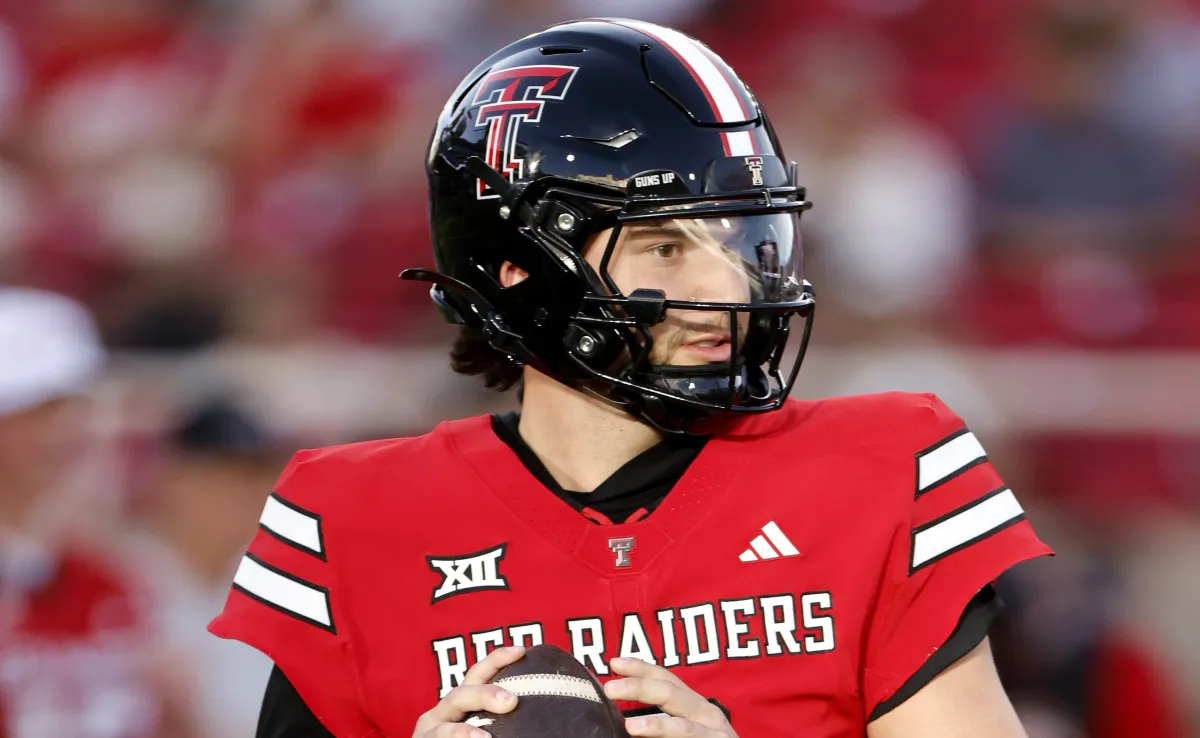
In the high-stakes, hyper-visible world of modern college athletics, few moments carry as much intoxicating promise as a star player’s transition through the NCAA transfer portal. This past January, that spotlight shone brightest on Brendan Sorsby, an immensely gifted quarterback whose brilliant performances at the University of Cincinnati had transformed him into one of the most coveted prospects in the nation. When Sorsby committed to Texas Tech University, the announcement was met with a wave of euphoria across Lubbock, as fans and analysts alike envisioned him as the catalyst who would elevate the Red Raiders to championship contention. Sorsby possessed all the physical tools, mental acuity, and natural leadership necessary to dominate the collegiate landscape, making him the centerpiece of Texas Tech’s ambitious future. Yet, before he could ever strap on a scarlet and black helmet, run out of the tunnel, or throw a single pass under the Friday night lights, this grand narrative came to a sudden, heartbreaking halt. The painful revelation that Sorsby had been privately battling a severe sports gambling addiction—a struggle that began during his early collegiate years at Indiana University—subsequently compromised his NCAA eligibility and shattered his immediate playing dreams. It was a jarring reminder of how quickly an athlete’s life can be derailed, transforming a celebrated sports hero into a poignant symbol of a quiet epidemic sweeping through the youth of America.
To truly understand Sorsby’s predicament requires looking past the box scores and examining the immense, often invisible pressures that weigh on young, elite athletes in the digital age. Sports gambling has evolved from a shadowy, backbench activity into a multi-billion-dollar corporate juggernaut, seamlessly integrated into the very broadcasts, social media feeds, and university ecosystems that these athletes inhabit every day. For a young man like Sorsby, navigating the intense demands of Division I football while being constantly bombarded by the allure of instant-access mobile betting apps created a perfect storm of vulnerability. His struggle, which quietly began as a student-athlete at Indiana in 2022 and 2023, eventually escalated into an unmanageable dependency that stayed with him even as his draft stock soared at Cincinnati. Sorsby’s eventual exposure was not just a regulatory infraction; it was the collapse of a secret world of anxiety and escalating risks. However, rather than retreating into defensiveness or hiding behind public relations spin, Sorsby confronted his reality with a rare, disarming level of honesty. In an era where public figures frequently deflect blame, he openly admitted that he lacked control over his gambling problem, courageously declaring that getting caught was actually the best thing that could have happened to him because it forced him to seek life-altering help.
This profound sense of humility and self-awareness was beautifully articulated in a personal statement released through NFL insider Tom Pelissero, wherein Sorsby laid bare his soul to the football community and the public at large. Stripping away the protective armor of a star quarterback, Sorsby embraced absolute accountability, stating clearly that he accepted one hundred percent responsibility for his past actions and was entirely focused on his recovery. He spoke of his journey not as a public relations campaign to salvage his career, but as a deeply personal, day-by-day effort to heal, rebuild his character, and regain control of his life. Sorsby expressed a sincere desire to use his own painful experiences as a cautionary tale, hoping to educate other young athletes about the hidden dangers of gambling addiction before they find themselves down a similar pathway. Even when faced with the devastating news that his immediate plans to enter the professional ranks had been disrupted, Sorsby remained steadfastly grounded, expressing a deep, spiritual trust in his journey by stating that “God makes no mistakes.” His words painted a picture of a young man who had realized that his worth as a human being far exceeded his status as a football player, choosing to embrace his period of isolation as an opportunity for spiritual and emotional resurrection.
The practical road back to the gridiron, however, proved to be filled with bureaucratic obstacles and complex systemic challenges that tested Sorsby’s newly found resolve. Demoralized by his lost NCAA eligibility but determined to find a path forward, Sorsby initially pinned his hopes on entering the NFL supplemental draft, an avenue historically designed for collegiate players who experience sudden eligibility changes outside of the traditional draft window. Unfortunately, his hopes of an immediate transition to the professional ranks were dashed when the NFL officially decided against hosting a supplemental draft for the 2026 season. This administrative closure meant that Sorsby would have no shortcut, no quick escape from his situation, and no immediate contract to shield him from the consequences of his actions. Instead, he was left with the stark reality of a long, competitive vacuum—a full year without organized practices, locker room camaraderie, or the weekend adrenaline rush of game days. It was a developmental crossroads that could easily break a young athlete’s spirit, demanding that Sorsby find the internal discipline to train in isolation, keeping his eyes fixed on a distant, uncertain horizon while the rest of the football world moved on without him.
Despite the loneliness of this forced hiatus, the NFL’s long-term stance on Sorsby’s future offers a practical pathway toward professional redemption, mirroring how the league has handled similar gambling infractions in its own ranks. National NFL insider Tom Pelissero reported that Sorsby is fully expected to retain his eligibility for all standard pre-draft activities—including the NFL Scouting Combine, local pro days, and individual team workouts—prior to the 2027 NFL Draft. This structured path effectively mirrors the one-year suspensions handed down to active NFL players caught betting on football, most notably the high-profile suspension of former Atlanta Falcons wide receiver Calvin Ridley in 2022. Ridley serves as a crucial historical template for Sorsby: after serving his mandated year-long exile with quiet dignity, he was reinstated to the league in 2023 and successfully resumed his star-caliber career. By placing Sorsby in a similar de facto one-year suspension program, the football establishment is enforcing a strict, much-needed boundary while simultaneously preserving a clear pathway for restoration. This balanced approach ensures that while Sorsby is held fully accountable for violating the integrity of the sport, he is not permanently discarded, allowing his ultimate fate to be decided by his dedication to personal growth.
Ultimately, Brendan Sorsby’s narrative is far more than a simple sports story about a lost season or a compromised draft grade; it is a profoundly human story about crisis, character, and the grueling process of self-reclamation. In a culture that often discards individuals at the first sign of failure, Sorsby’s journey offers a refreshing testament to the power of radical vulnerability and ownership. The true test of his character will not be measured by the touchdowns he scores or the velocity of his passes when he finally returns to the field, but by the quiet, daily victories he achieves in his ongoing battle against addiction. Over the next year, while training in private gyms and learning to navigate life away from the public eye, Sorsby has the invaluable opportunity to build an identity that is completely independent of his athletic achievements. When the 2027 NFL Draft finally arrives, the franchise that chooses to call his name will not just be drafting a highly talented quarterback with an elite arm and great athletic pocket presence; they will be welcoming a resilient, matured leader who has stared down his personal demons and emerged stronger on the other side.