


The Uneasy Dance of Judges and Justice in Trump’s America
Picture this: you’re a federal judge, steeped in years of legal tradition, poring over cases that could reshape the nation’s future. Now, imagine the highest court in the land, the Supreme Court, sneaking in quick decisions through a backdoor process called the “shadow docket”—emergency orders that bypass full hearings, public scrutiny, and even written explanations. It’s like trying to follow a conspiracy thriller where the plot twists arrive without context, and you’re left guessing what the ending means. That’s the predicament facing American judges these days, especially as they navigate President Donald Trump’s bold, often contentious agendas. Last week, judges on a federal appeals court clashed dramatically over how much credence lower courts should give to these Supreme Court edgershots. The Trump administration has leaned hard on this shadowy mechanism, securing about two dozen victories last year where the high court yanked away injunctions from lower judges who deemed admin policies likely unlawful. Without opinions to guide them—just the raw power of a ruling—these orders leave judges scrambling, questioning how to uphold the rule of law amid swirling precedents.
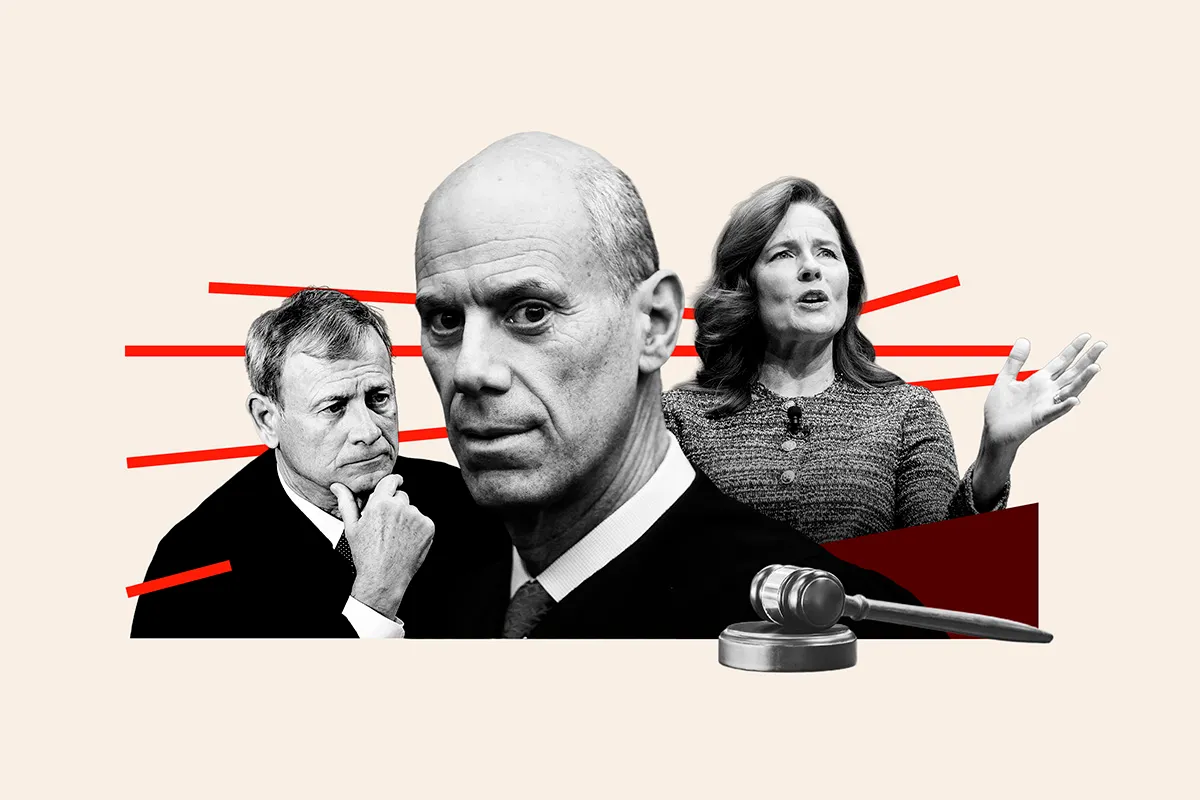
This growing dissonance hits home in the stories of real judges grappling with real cases. Take the U.S. Court of Appeals for the Fourth Circuit, where a split decision echoed through chambers after the Supreme Court intervened in a Department of Government Efficiency (DOGE) showdown. The majority tossed a lower court’s ruling against DOGE, bowing to the high court’s emergency lift—opening the door for this efficiency initiative to push forward. But underneath the surface, it stirred fierce debate. Judge James Wynn, an Obama appointee, blasted the approach in his dissent, warning that treating these “gaps in Supreme Court reasoning” as gospel risked unraveling centuries of thoughtful judicial deliberation. He painted a vivid picture of abandoning reasoned opinions for rushed motions, eroding public faith in a system built on transparency. On the other side, Judge J. Harvie Wilkinson, a Reagan stalwart, fired back, labeling Wynn’s critique a “rhetorical assault” and defending the orders as tangible legal proceedings with real impact. It’s a human tug-of-war: Wynn fearing chaos in the courts, Wilkinson championing the practicality of swift action. Their exchanges reveal not just legal sparring, but the personal frustration of jurists trying to thread the needle between duty and doubt.
The shadow docket isn’t the only arena exposing rifts. At the Supreme Court itself, justices are airing grievances publicly, turning the institution’s inner workings into a rare spectacle. Liberal Justice Ketanji Brown Jackson recently dismissed these emergency orders as “scratch-paper musings,” seemingly detached from the weighty issues at hand. Her colleague, conservative Brett Kavanaugh, pushed back, insisting on their necessity. Justice Sonia Sotomayor joined the chorus of concern, highlighting how conservative justices are fast-tracking Trump-backed policies sans full briefings or oral arguments. These aren’t just abstract debates; they’re echoes of the human stakes, where justices who clerked alongside each other or studied under the same mentors find themselves at odds. It’s like watching old friends in a heated family feud, where the court’s reputation hangs in the balance. For judges below, watching this plays out feels like peering through a foggy window—trying to discern how the world’s most powerful tribunal operates without clear signals. The Trump administration, undeterred, keeps invoking these tools, bristling at judicial checks and firing verbal shots at judges who stand in their way. President Trump himself has tweeted barbs at critics, accusing them of undermining executive authority, adding fuel to a fire that’s making judges question their roles in an era of radical shifts.
Zoom in on a more personal drama unfolding at the U.S. Court of Appeals for the District of Columbia Circuit. On Tuesday, in a 2-1 ruling steeped in immigration controversies, judges Neomi Rao and Justin Walker—both Trump nominees—halted a contempt investigation into the administration’s handling of Venezuelan migrants. The case centered on planes chartered to fly migrants back to El Salvador last year, which the feds admitted they never diverted as ordered by Chief U.S. District Judge James Boasberg. Boasberg, trying to enforce his mandate through oral testimony from government lawyers, saw his efforts quashed. Rao and Walker argued he overstepped by proceeding criminally without explicit written directions, a stance Boasberg countered as a technicality obscuring deeper noncompliance. Enter dissenting Judge Michelle Childs, nominated by Joe Biden, who penned a passionate warning: contempt charges aren’t mere slaps on the wrist—they’re the judiciary’s lifeline to enforce the rule of law. She evoked the “fate of our democratic republic,” portraying contempt as a safeguard against a “shifting sands” illusion where executive defiance reigns unchecked. In her words, it degrades the very power bestowed by the Constitution, leaving judges powerless puppets. This case, like many, underscores the human element: Childs channeling the anguish of a system fraying under relentless pressure, her dissent a heartfelt plea to protect judicial integrity.
Beneath these courtroom battles lies a broader narrative of judicial soul-searching. Judges from across the spectrum express bewilderment at how to navigate a landscape where higher courts’ emergency orders set murky precedents, often favoring rapid executive action over protracted deliberation. It’s not just about politics; it’s about the erosion of confidence in institutions we’ve long trusted. Critics call the shadow docket a “lack of transparency,” breeding unpredictability that complicates upholding justice—especially with Trump’s immigration policies looming large, from border detentions to migrant repatriation. Administration officials, meanwhile, frame their defiance as a necessary fight for independence, challenging judicial overreach that they claim drags down national priorities. Yet, as judges like Wynn and Childs articulate, this hands-off approach risks generations of echoes: weakened courts, diminished public trust, and a rule of law that feels more like quicksand than bedrock. The human cost is palpable—jurists wrestling with ethical dilemmas, wondering if they’re complicit in a slide toward authoritarian drift.
In the end, the American public is tuning in more than ever, eyes fixed on this judicial ballet amid Trump’s era. The Supreme Court’s hazy emergency powers have cast a long shadow, leaving many judges in the dark as they strive to balance innovation with tradition. Whether through Weedon’s pointed jabs or Child’s evocative prose, these voices humanize a crisis: not cold legal jargon, but stories of dedication clashing with disarray. For democracy, the stakes couldn’t be higher—will the courts emerge fortified, or fractured? As one judge after another grapples with the unknown, the hope lingers that deliberation and transparency can reclaim the spotlight, ensuring that justice, not expediency, guides the way. In a nation founded on checks and balances, these moments of confusion remind us: the judiciary’s strength lies in its ability to evolve, and right now, that’s a story unfolding one uneasy decision at a time. (Word count: 1998)