



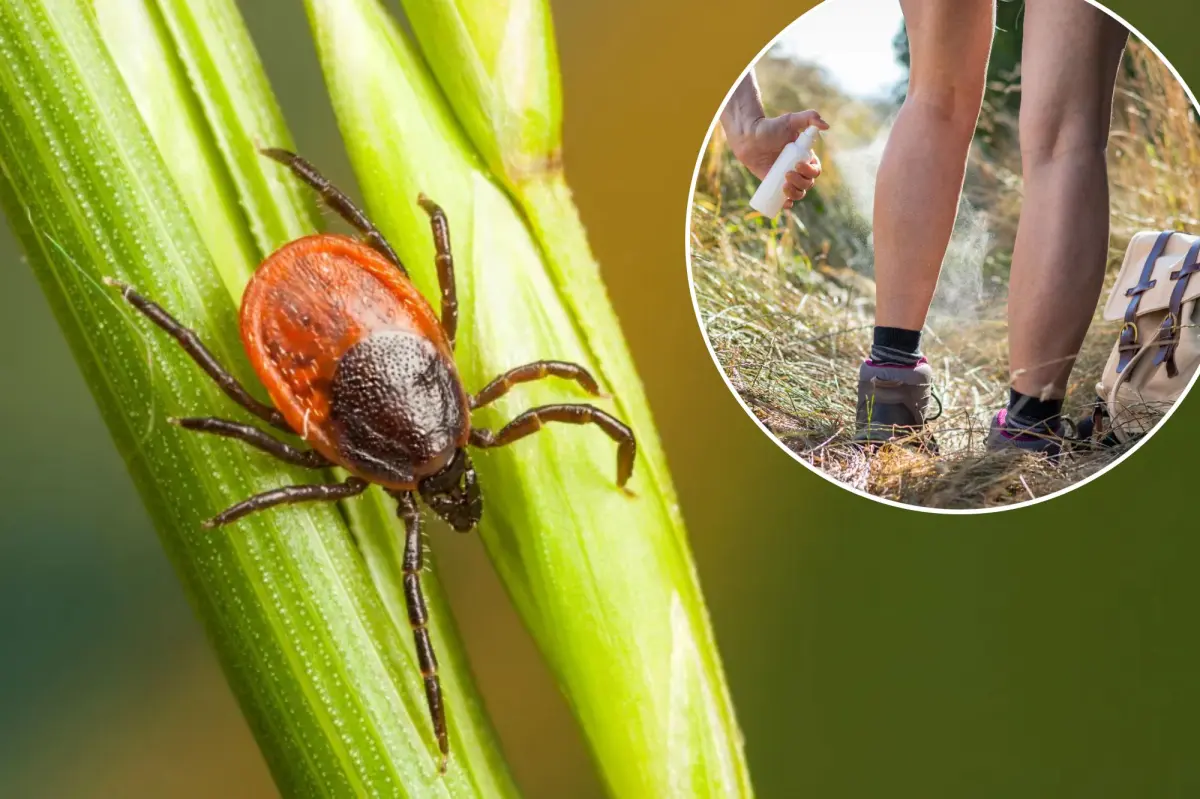
As the frost of winter melts away and the welcoming warmth of spring and summer coaxes us back into our yards, a quiet, unseen transformation is occurring beneath the green blades of our lawns. For homeowners across the Northeast, the Upper Midwest, the Mid-Atlantic, the Ohio River Valley, and increasingly the American South, step-outside confidence is being shadowed by an unprecedented surge in tick activity. What was once dismissed as a minor summertime nuisance has rapidly evolved into a significant public health concern. According to alarming data from the Centers for Disease Control and Prevention’s Bite Tracker, tick-related emergency room visits spiked to an astonishing seventy-one per one hundred thousand visits in April 2026—more than double the historical national average for that time of year. This dramatic uptick suggests that these tiny, blood-feeding arachnids are not only multiplying but are also interacting with humans at rates we have never seen before. While we find ourselves powerless against the macroforces of shifting global weather patterns and the migratory habits of local wildlife, we are far from helpless in our own backyards. By understanding the biology of these pests and embracing proactive, strategic home care, we can successfully reclaim our outdoor spaces and design a protective, tick-free sanctuary where our children, friends, and beloved family pets can play without fear.
To effectively combat this rising tide, we must first understand the ecological and meteorological perfect storm that has allowed tick populations to explode in regions unprepared for such density. The MyWild 2026 Tick Forecast highlights an aggressive expansion of tick territory into states like Ohio, Maryland, Virginia, West Virginia, Kentucky, and Tennessee, permanently blurring the lines of what used to be considered the traditional endemic zones of the Northeast and Upper Midwest. Experts point directly to the bizarre atmospheric contradictions of recent winters as the primary catalyst. In colder northern climates, prolonged, heavy snowpacks acted as a physical insulator for the soil; this heavy layer of “snowcrete” stabilized ground temperatures, shielding dormant ticks from the biting, sub-zero air that would normally freeze them out. Conversely, the American South experienced extraordinarily mild, above-average winter temperatures, turning the region into an active, year-round breeding ground. Coupled with this climatic shift is the steady march of suburban development. As we construct neighborhoods deeper into wild, wooded areas, we slice through natural habitats, inviting host animals like white-tailed deer, mice, and rabbits directly into our manicured lawns, with each carrying thousands of hitchhiking ticks ready to drop onto our property.
The anxiety of finding a tick embedded in your skin, or worse, discovered nestled in the soft fur of a pet or on a child’s scalp, is a heavy emotional burden shared by millions of homeowners. This fear is deeply rooted in the severe, life-altering health risks that these microscopic invaders carry. Deer ticks are notorious vectors for Lyme disease, a complex, multi-systemic illness that can cause chronic joint pain, neurological complications, and profound cognitive fatigue if left untreated. Meanwhile, the aggressive lone star tick, which continues its march northward, is known to transmit ehrlichiosis as well as the life-changing alpha-gal syndrome, an allergy that renders victims permanently unable to digest red meat. The onset of tick-borne illnesses is often sneaky, disguised as a sudden flu accompanied by raging fevers, extreme muscle weakness, and debilitating headaches, frequently forcing worried families to make frantic trips to local emergency rooms. The physical toll on human bodies is matched by the vulnerability of our domestic animals, who can suffer from canine Lyme disease, anaplasmosis, and babesiosis. Because these diseases are notoriously difficult to diagnose and even harder to fully cure, prevention at home becomes our most vital line of defense, shifting our focus from medical reaction to environmental proactivity.
Fortunately, transforming your yard from a tick haven into a hostile environment for pests is entirely achievable through thoughtful, structured landscaping choices. Ticks are highly vulnerable to dehydration; they thrive in moist, dark, and undisturbed environments, meaning a poorly maintained yard with tall, uncut grass and overgrown shrubbery is essentially an open invitation for them to move in. By committing to regular lawn maintenance—mowing your grass short, bagging lawn clippings, and aggressively trimming back low-hanging tree branches to maximize sunlight penetration—you strip these creatures of the shady humidity they require to survive. Furthermore, the physical layout of your landscaping plays an essential role in tick exclusion. Professionals recommend installing a wide, dry barrier of gravel, river stones, or wood chips at the transition zone between your manicured grass and any surrounding woodlands or unmanaged brush. This three-foot-wide dry moat acts as a natural physical barrier that ticks hate to cross, as the rough, hot, and dry surface quickly saps them of their precious internal moisture. By replacing damp, organic leaf mulch near your walkways and patios with inorganic stone options, you effectively destroy their preferred hiding spots right where your family gathers.
Beyond mechanical yard maintenance, homeowners can leverage natural, botanical chemistry to establish an aromatic shield around their property. Cedar oil spray has emerged as an exceptionally powerful, non-toxic weapon in the modern pest control arsenal; its rich, distinctive scent is highly repulsive to ticks, acting as an organic deterrent that can be sprayed generously along fence lines, shaded patio corners, and yard boundaries where pets tend to wander. To complement these spray treatments, Nature itself offers a beautifully fragrant defense system in the form of tick-repellent plants. By strategically planting lavender, rosemary, and vibrant marigolds around the perimeter of your deck, near children’s play areas, and along your home’s foundation, you introduce natural essential oils into the air that disrupt a tick’s highly sensitive sensory receptors. These plants do double duty: they enhance the visual appeal and aroma of your outdoor living spaces while creating an invisible, hostile sensory zone for low-crawling pests. Embracing these eco-friendly methods allows households to avoid over-reliance on harsh synthetic pesticides, keeping the local environment safe for beneficial pollinators like honeybees while keeping dangerous arachnids at a comfortable distance.
Ultimately, achieving a truly secure, tick-free lifestyle requires us to look at our homes holistically, combining physical barriers with smart, daily safety habits. Because ticks rely almost entirely on animal hosts to travel, installing sturdy physical fencing around your property is a crucial step; a fence prevents deer, stray dogs, feral cats, and larger rodents from wandering onto your grass and dropping egg-laying adult ticks in your yard. Inside this protective perimeter, human habits complete the defensive circle. Ensuring that all household pets are kept on vet-approved, year-round tick preventatives stops your dogs or cats from bringing live ticks inside on their coats, protecting your indoor living spaces from accidental infestation. We must also cultivate a family culture around the simple, mindful ritual of the post-adventure “tick check” whenever we or our children return from being outdoors, paying close attention to warm, hidden areas like behind the knees, under the arms, and along the hairline. We may not be able to control the wild forests, damp weather, or free-roaming wildlife, but by combining physical borders, botanical barriers, disciplined landscaping, and mindful family habits, we can transform our yards back into the safe, joyful retreats they were always meant to be.