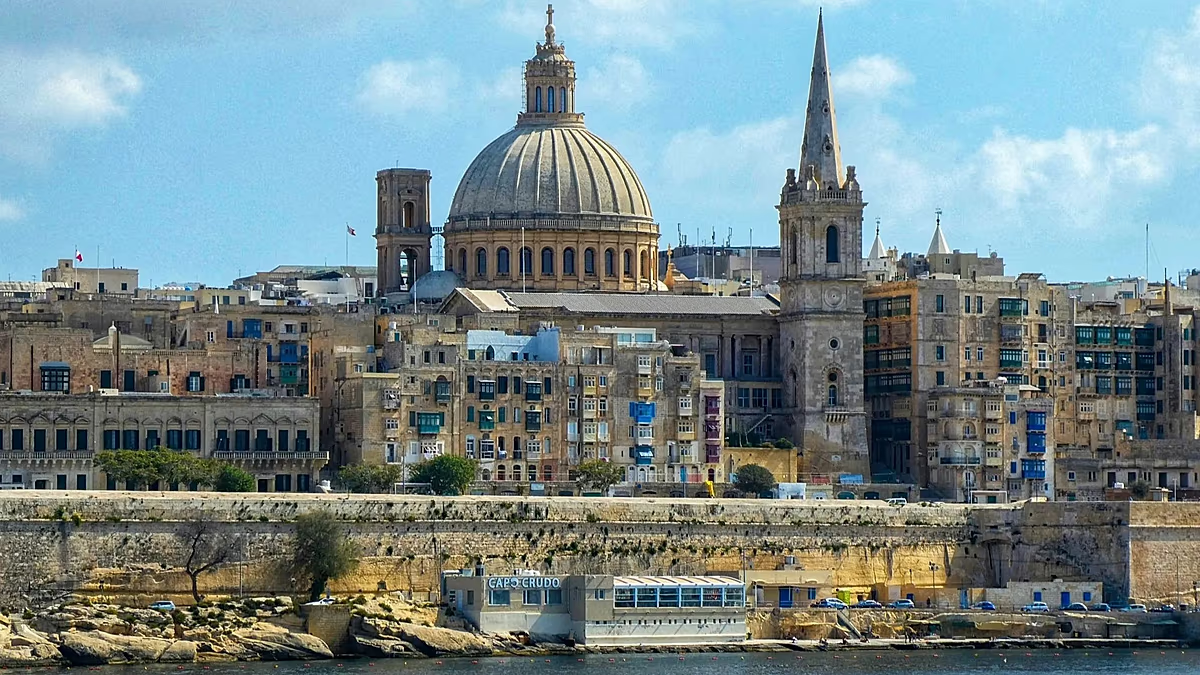






The long-held dream of the classic European summer—characterized by sun-drenched afternoons on the Amalfi Coast, balmy evenings in tavernas overlooking the Aegean Sea, and the irresistible allure of golden beaches from Iberia to the Riviera—is undergoing a profound, climate-driven transformation. For generations, travelers from cooler northern latitudes embarked on an annual pilgrimage to the scorching shores of Southern Europe, treating intense heat as a badge of honor and the ultimate symbol of leisure. However, as global temperatures continue to shatter records, summers in the Mediterranean have begun to transition from idyllically warm to oppressively, and sometimes dangerously, hot. The devastating heatwaves of recent years, with ominously named weather systems like Cerberus and Charon pushing thermometers past 45 degrees Celsius (113 degrees Fahrenheit), have shattered the romance of the southern climate. Combined with catastrophic wildfires that have forced dramatic evacuations in popular tourist havens like Rhodes and Sicily, many vacationers are experiencing a psychological pivot. No longer is the promise of unrelenting summer heat an automatic draw; instead, it has become a hazard to navigate. Out of this atmospheric shift has emerged the concept of “coolcationing”—a deliberate, mindful trend where travelers eschew the sweltering, sun-baked crowds of traditional southern hotspots in favor of destinations that offer milder temperatures, crisper air, and a more revitalizing connection to nature. This is not merely a passing whim but a fundamental realignment of how we define summer relaxation, shifting our collective travel aspirations from relentless sun-worship to a desperate search for cool, breathable solace.
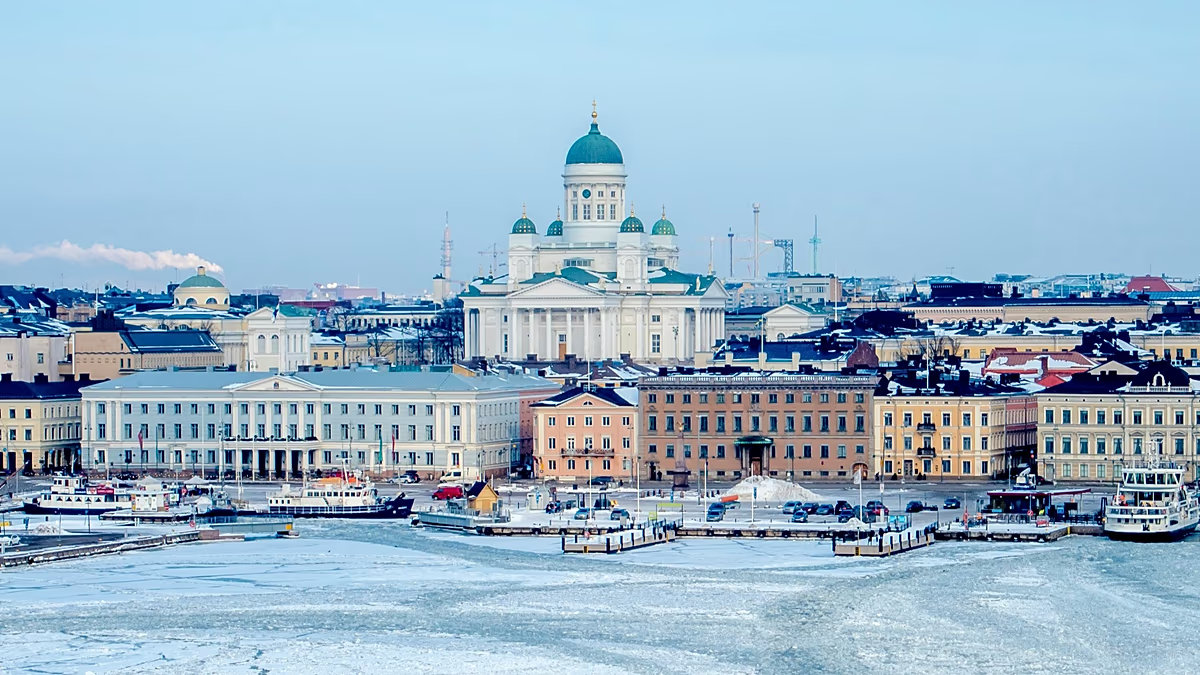
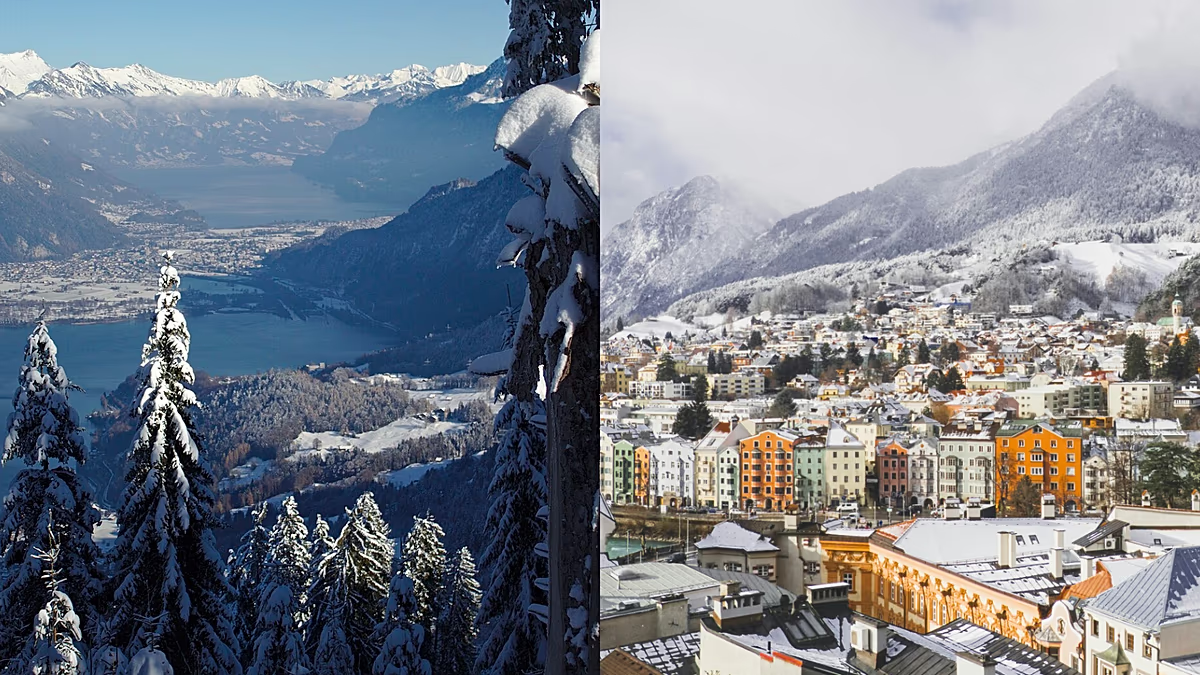
As travelers actively flee the radiator-like conditions of Southern Europe, the geography of summer tourism is rapidly expanding northward and upward into previously overlooked cooler sanctuaries. Countries across Scandinavia—particularly Norway, Sweden, and Denmark—are experiencing an unprecedented surge in summer visitation, with their majestic fjords, tranquil pine forests, and cool, crystal-clear lakes offering an appealing antidote to the parched landscapes of the south. Similarly, destinations like Iceland, the rugged Scottish Highlands, Ireland’s wild Atlantic coast, and the high-altitude valleys of the Swiss and Austrian Alps are witnessing a remarkable renaissance during the peak months of July and August. Instead of spending their days sheltering in air-conditioned hotel rooms or dodging the punishing midday sun beneath paid umbrellas, modern holidaymakers are embracing the joys of “cool-weather luxury.” This includes activities that would be physically unbearable in a southern heatwave: extensive hiking through mist-shrouded valleys, wild swimming in crisp glacial lakes, cycling along forested pathways, and exploring historic cities under gentle, overcast skies. Tourism boards in these cooler regions, which traditionally relied on winter sports and northern lights chasers to sustain their economies, have swiftly pivoted their marketing strategies. They are now showcasing their summer seasons as lush, vibrant, and incredibly comfortable oases where travelers can actually breathe, sleep without air conditioning, and engage with the environment without the physical exhaustion of tropical heat.
The driving force behind this demographic shift is a deeply human desire for comfort, well-being, and genuine rest, rather than just survival. For families traveling with young children or multi-generational groups that include elderly relatives, the extreme heat of the Mediterranean is no longer just uncomfortable—it is a significant health risk. Parents are finding that a holiday spent worrying about hydration, heatstroke, and sunburn is a far cry from the restorative escape they envisioned, leading them to opt for the safer, more manageable climates of Northern Europe. Similarly, active travelers and outdoor enthusiasts are realizing that their prized vacation time is being wasted when temperatures soar so high that national parks, archaeological sites, and hiking trails must be closed during the day for public safety. There is also a growing demographic of wellness-focused urbanites who are suffering from seasonal affective disorder in reverse; trapped in concrete jungles that act as urban heat islands, they crave green spaces, clean air, and the therapeutic stillness of cooler climes. These individuals are discovering that the quietude of a Swedish archipelago or a misty morning in the Scottish Cairngorms offers a deeper level of mental decompression than a crowded, sweat-inducing beach club. By reframing vacation as an opportunity to recharge both body and mind, “coolcationers” are prioritizing physical ease and natural beauty over social status and traditional beachside aesthetics.
Travel industry analysts and climate scientists agree that this trend is not a temporary anomaly but the beginning of a structural shift that will permanently reshape the global hospitality landscape. Leading travel agencies and digital booking platforms have reported double-digit rises in summer searches for northern latitudes, alongside a noticeable decline in peak-season bookings for traditional Mediterranean strongholds. According to tourism experts, what we are witnessing is a dual phenomenon: while the north is gaining a brand-new summer audience, the south is seeing its traditional travel calendar stretched and fragmented. To adapt, savvier travelers are redefining their schedules, turning spring (May and June) and autumn (September and October) into the new peak seasons for Southern Europe, when the Mediterranean climate remains mercifully pleasant. Industry specialists suggest that hotel operators and airlines in Spain, Italy, and Greece are already recalibrating their pricing models and staffing structures to accommodate this “shoulder season stretch.” Meanwhile, climatologists warn that as global warming continues to raise average temperatures, the threshold of what is considered habitable and pleasant for leisure travel will keep migrating northward. This forces the global tourism sector to confront a new reality where weather predictability is a thing of the past, requiring both travel providers and consumers to build a high level of flexibility into their long-term plans.
However, this climatic migration of tourists brings with it a complex web of economic and environmental challenges that must be carefully managed. For Southern European nations, whose national economies are heavily reliant on the summer tourism windfall to support local businesses, hospitality workers, and national GDP, a sustained exodus of peak-summer vacationers could trigger significant economic anxieties. Conversely, the sudden, massive influx of travelers into northern destinations is putting an unprecedented strain on fragile ecosystems and local infrastructures that were never designed to handle such high volumes of summer traffic. Towns in Norway’s Lofoten Islands and remote communities in Iceland are already experiencing the early signs of overtourism, struggling with overcrowded roads, scarce hospitality staff, soaring rental prices, and the ecological degradation of pristine natural sites. This shift highlights a glaring paradox: while “coolcationing” is born out of a desire to escape the harsh realities of climate change, the displacement of millions of tourists threatens to export ecological stress to some of the world’s most delicate, climate-vulnerable northern landscapes. Tourism experts emphasize that for this trend to remain viable and sustainable, northern destinations must proactively implement robust management strategies, such as capping visitor numbers, investing in green infrastructure, and encouraging off-the-beaten-path travel to prevent their quiet sanctuaries from becoming carbon copies of the overdeveloped coastal strips they are replacing.
Ultimately, the rise of the “coolcation” is a poignant testament to humanity’s capacity for adaptation in the face of an evolving planet, signaling a more thoughtful and respectful future for global travel. It challenges us to rethink our historical, post-war romance with the sun and instead cultivate a deeper appreciation for the dramatic beauty of cooler, wilder landscapes. As we look ahead, the traditional binary of “warm weather good, cold weather bad” is dissolving into a more nuanced understanding of travel, where the ultimate luxury is defined not by the intensity of the sun, but by the quality of the air, the preservation of the environment, and the peace of mind of the traveler. This seasonal migration suggests that while the Mediterranean will always hold a cherished place in our cultural imagination, the future of summer travel belongs to those destinations that can offer sanctuary, sustainability, and a cool, refreshing breath of fresh air. By embracing the quiet romance of the mist, the forest, and the fjord, today’s travelers are not just escaping the heat; they are embarking on a journey of ecological reconnection, learning to live—and travel—in harmony with a changing world.