





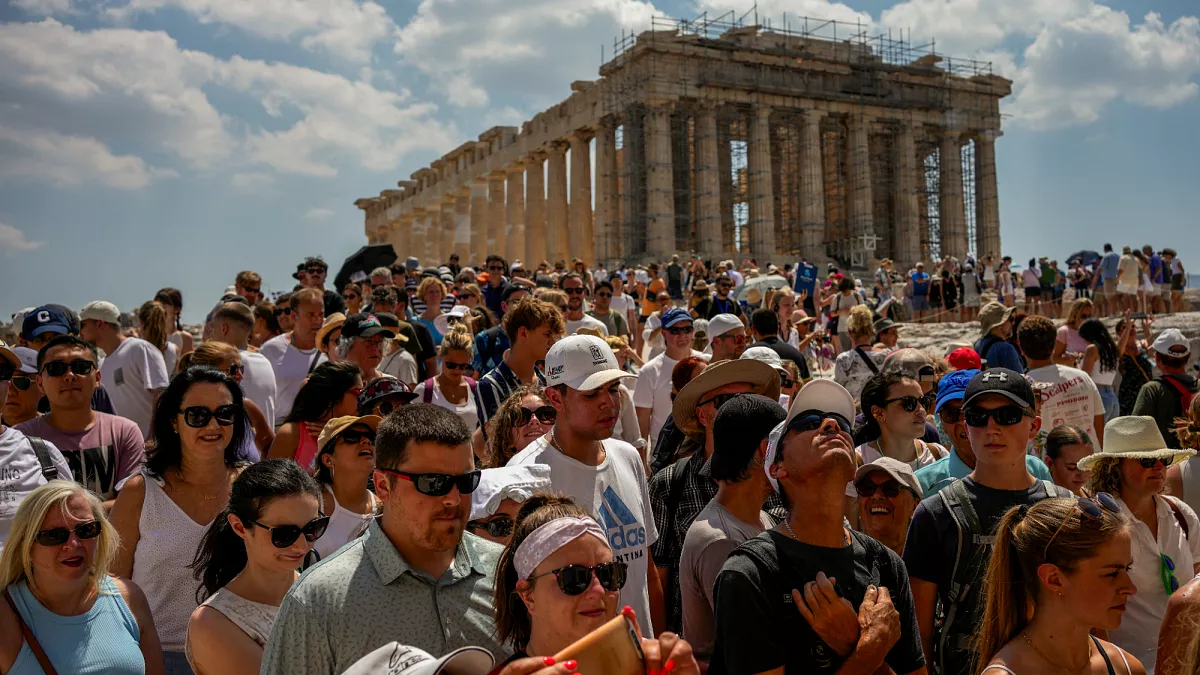
Athens, the vibrant heart of Greece, has always been a magnet for tourists, with its ancient ruins, bustling markets, and Mediterranean vibes drawing millions year after year. But as the city grapples with the pressures of tourism, Mayor Haris Doukas is sparking a crucial conversation about whether it’s time to hit the brakes on new hotel developments. At a lively event called “This is Athens – Agora,” where locals and visitors mingled amidst the chatter of potential futures, Doukas addressed the crowd thoughtfully. He warned that Athens shouldn’t follow in the footsteps of places like Barcelona, which has become a cautionary tale of over-tourism. “We really need to assess how many more hotels we can handle and where they should go,” he told Euronews, his voice reflecting a genuine concern for the city’s soul. It’s not just about economic growth anymore; it’s about preserving the quality of life for residents and the authenticity of the experience for travelers. Already, the city has taken a decisive step by banning new permits for short-term rentals in three central neighborhoods, signaling that Athens is listening to the warnings from other destinations that have tipped too far into chaos. As he spoke, Doukas painted a picture of a city that loves its visitors but knows it can’t accommodate everyone indefinitely. He emphasized the need to evaluate the “extra tourist load” carefully, ensuring that new beds—whether in hotels or other forms—don’t overwhelm neighborhoods already bursting at the seams. This isn’t just policy talk; it’s a heartfelt plea to balance progress with sustainability, reminding us that every new hotel room could mean one less quiet spot for locals to enjoy a sunset stroll or a neighborhood social gathering. The mayor’s comments resonated with attendees who nodded knowingly, having seen firsthand how tourism can transform a cherished space into something unrecognizable. By drawing parallels to saturated areas worldwide, Doukas is urging Athens to think long-term, to avoid the pitfalls that have turned joyous arrivals into exhausting crowds, and to ensure that the city’s warmth remains inviting without becoming smothering.
Delving into the numbers reveals the sheer scale of Athens’ hospitality boom, which has transformed the Greek capital into a hub of activity but also raised eyebrows about its limits. According to the latest data from INSETE, Attica boasts a staggering 68,934 hotel beds, with around 35,000 concentrated in the greater Athens city center. Imagine wandering through the historic Plaka district, where the Parthenon looms in the distance, and realizing that thousands of these beds are nestled in the very neighborhoods that make Athens special. This density isn’t spread evenly; it’s clustered in hotspots that pulse with life during tourist seasons, from families exploring the Acropolis to backpackers soaking up the nightlife. Yet, this abundance comes with challenges. Hotel industry insiders, who’ve watched the sector balloon over the past decade, openly admit that the rapid expansion poses sustainability concerns. As one executive put it off the record at a recent gathering, “We’ve built so fast that we’re starting to build ourselves into a corner.” Environmental impacts, strained water and energy resources, and the displacement of local residents are becoming hot topics, as neighborhoods once quaint and residential morph into transitory hubs. Tourists love the convenience, but residents miss the slower pace of their old streets. The data serves as a wake-up call: with such a concentration, is there room for more, or is Athens reaching a tipping point where more beds mean less magic? These figures aren’t just statistics; they represent real-world pressures on a city that’s historically prided itself on resilience, from ancient civilizations to modern recoveries. Balancing growth with respect for the environment and community is key, and as Athens data shows, unchecked development could lead to a future where the golden ratio of tourism begins to tarnish.
From the perspective of those in the industry, the alarm bells are ringing louder than the encouraging bustle of new openings and economic boosts. Hoteliers across Athens are acknowledging that the explosion in accommodations—like hotels, short-term rentals, and even non-main tourist options—has been nothing short of dramatic. What was once a manageable ecosystem has evolved into a crowded marketplace, where sustainability isn’t just a buzzword but a pressing reality. “We’ve seen incredible growth, but it’s forcing us to confront how we keep the industry viable without damaging the city we love,” shared one owner during a casual coffee chat in a rooftop café overlooking the Aegean. The Paris Olympic Tae Kwon Do Stadium conversion into a convention center is just one example of what’s ahead, promising to draw even more visitors and necessitate strategic bed planning. Industry players stress that without thoughtful oversight, Athens risks mirroring the exhaustion seen in other popular spots, where tourism’s benefits wane as residents flee rising costs and overcrowding. This isn’t a rejection of progress but a call for smarter development—perhaps prioritizing eco-friendly hotels or integrating accommodations that blend seamlessly with local life. By admitting these issues openly, hoteliers are positioning themselves as partners in preserving Athens’ allure, ensuring that every new room adds value rather than strain. It’s a nuanced dance between opportunity and responsibility, reminding us that behind the economic success stories are real people and places that deserve to thrive.
Comparisons to other European cities provide illuminating lessons, with Athens peering into a mirror that reflects both possibilities and pitfalls. Places like Barcelona and Amsterdam have already implemented strict measures, banning new hotel licenses in response to the very challenges Athens now faces. In Barcelona, the restrictions kicked in from 2017 onward, a move born from streets overwhelmed by throngs of tourists, skyrocketing rents, and dwindling resident populations. Amsterdam followed suit, seeking to maintain its canalside charm amid global popularity. These cities didn’t act out of hostility toward visitors but out of a protective instinct, understanding that unlimited growth leads to alienation. For Athens, which launched an Observatory to monitor tourism’s impact, these examples underscore the importance of proactive planning. “Capping isn’t punitive; it’s preventive,” explained a city planner in an interview, drawing from Barcelona’s experience. Banning short-term rentals outright by 2028 in that Spanish metropolis highlights a trend towards holistic tourism management, where all forms of lodging are considered. Athens watchers note that ignoring such precedents could result in similar backlashes, from resident protests to faded appeal. By learning from abroad, Athens has a chance to innovate, perhaps adopting hybrid models that integrate tourism with community needs, ensuring the city remains a welcoming beacon rather than a crowded crossroads.
The call for comprehensive planning rings clear from voices like Evgenios Vassilikos, President of the Athens – Attica & Argosaronic Hotel Association, who spoke passionately at the Agora event. He argued against starting from scratch, urging Athens to adopt proven strategies from global leaders. “We don’t need to reinvent the wheel,” he assured in his conversation with Euronews, referencing Barcelona’s comprehensive bans as blueprints for balance. Vassilikos emphasized evaluating the full spectrum of accommodations—from traditional hotels to short-term rentals, rooms-to-let, and furnished apartments—which have surged from 800 units to 1,200 in recent years. This expansion, he noted, isn’t isolated; it’s part of a broader shift requiring a master plan for where Athens wants to be in a decade. Take the Olympic Tae Kwon Do stadium’s conversion into a convention center—a project that promises waves of visitors and demands precise calculations: how many beds, what star ratings, and how to integrate them without chaos. “It drags in all types of beds,” he said, advocating for inclusivity that covers non-primary options and rentals. His vision is one of foresight, where planning prevents the disintegration of Athens’ fabric, allowing tourism to flourish synergistically with local life. Hoteliers like Vassilikos aren’t opponents but advocates, pushing for policies that sustain both livelihoods and cultural integrity. This approach humanizes the discussion, turning data-driven debates into empathetic narratives about shared futures.
In the grand tapestry of Greek tourism, Athens stands out as the undisputed star, a crown jewel that captured the spotlight with 12 million international arrivals in 2025 and an estimated total of nearly 10 million visitors overall. This crescendo of popularity reflects the city’s irresistible blend of history, cuisine, and culture, from Fougera’s rooftop dirties to the electric energy of Ermou Street. Yet, as it ascends to premier destination status, the question looms: can Athens sustain this momentum without sacrificing its essence? Industry leaders, buoyed by these numbers, are optimistic but cautious, envisioning a future where restrictions foster quality over quantity. Mayor Doukas’ propositions, echoed by voices across the sector, point toward a responsible path—one where new permits are scrutinized like precious artifacts, ensuring each addition enhances rather than erodes. The Observatory’s work will be pivotal, providing real-time insights into tourism’s heartbeat. For travelers, this means more meaningful experiences; for locals, a city that remains true to its roots. Ultimately, Athens’ story is one of potential and prudence, a reminder that true hospitality nourishes both the visitor and the host. As global patterns evolve, Athens could emerge as a model, embracing its allure with wisdom that preserves the magic for generations to come.
In weaving these threads together, Athens embodies a love story between heritage and innovation, where the lessons from other cities aren’t threats but guides. The mayor’s candid reflections at the Agora event highlighted that unchecked expansion could dim the very glow that makes Athens legendary. With 68,934 hotel beds dotting Attica and 35,000 in the center, the push for caps—mirroring Barcelona’s foresight—signals a maturing approach to tourism. Hoteliers, far from being adversaries, champion holistic strategies, from short-term bans to integrated planning around landmarks like the soon-to-be convention center stadium. As the influx of 12 million international arrivals cements Athens’ top spot in Greece, there’s a collective recognition that sustainability isn’t optional—it’s essential for a thriving ecosystem. This dialogue, laced with data and empathy, invites all stakeholders to contribute, ensuring that future developments uplift rather than overburden. In personal reflections, residents recall quieter times when tourist spots felt like shared treasures, not commodities. Policymakers ponder policies that prioritize quality, perhaps incentivizing eco-hotels or community-embedded stays. Experts weigh in on potential economic ripples, stressing that caps could prevent burnout while sustaining jobs. Visitors, often unaware of the strain, might appreciate restrictions that guarantee authentic encounters, free from relentless crowds. Athens, resilient through centuries, now faces a modern challenge: to evolve without losing its spirit. By internalizing global examples and leveraging local insights, the city can sculpt a legacy where tourism enriches, not depletes. This journey, narrated through real voices and visions, transforms abstract debates into a relatable quest for balance. In the end, Athens’ response could inspire other destinations, proving that with thoughtful limits, beauty and bustle can coexist harmoniously.
Focusing on the human dimension, stories from hotel owners reveal passion tempered by practicality—dreams of welcoming guests clashing with fears of neighborhood shifts. A family-run boutique in Monastiraki shares tales of generations hosting, now navigating the scramble for permits that could change their world. Workers in the sector echo anxieties about livelihoods, where a ban might shutter prospects but open doors to specialized niches. Cultural advocates worry about diluted traditions, from declining local festivals to altered street vibes. Environmentalists highlight carbon footprints from new builds, urging greener paths forward. Economists debate trade-offs, noting that while tourism fuels billions, uncontrolled growth risks backlash. Visitors recount transformative trips, yet some lament the commercialization that erases intimacy. Residents voice frustrations over rising costs drove by rentals, yet cherish the global exchange tourism brings. In this mosaic, Mayor Doukas’ stance feels like a paternal figure steering toward health. The Observatory’s role emerges as a lighthouse, illuminating impacts from noise to social cohesion. Barcelona’s ban inspires not imitation but adaptation, tailored to Athens’ unique rhythm—a blend of ancient wonder and modern energy. As 2025 arrivals surged to record highs, optimism mingles with urgency, painting a picture of a city at a crossroads. By fostering dialogue, like at the Agora event, Athens humanizes policy into people-centered progress. This isn’t just about beds; it’s about preserving the heartbeat of a place that means home to millions. In embracing restraint, Athens could redefine tourism, turning potential strain into symbiotic strength.
The narrative of Athens’ tourism trajectory unfolds as a symphony of opportunity and caution, where numbers tell part of the story but emotions fill in the rest. With Doukas raising the specter of restrictions to emulate Barcelona’s success, the city acknowledges a crossroads fraught with choices. Short-term rental bans in three central areas set precedents, underscoring a commitment to livable spaces over endless expansion. The 68,934 hotel beds, concentrated heavily downtown, reflect prosperity amid whispers of overload. Industry voices, from Vassilikos on planning to operators on sustainability, weave in experiences of growth that challenge the status quo—brother-in-law of a local chef worrying about displaced bakeries, or a heritage guide fearing altered ruins. Global parallels, like Amsterdam’s measures, offer maps for navigating ahead, promoting caps as safeguards, not setbacks. Athens’ 12 million arrivals crown it queen of Greek tourism, yet propel discussions on caps as crowns for long-term reign. Through personal anecdotes and analytical depth, the city’s story gains nuance: a maid’s dream of family vacations boosted by tips, clashing with a pensioner’s lament over lost neighbors. Environmental narratives add layers, imagining greener accommodations amidst overgrown concerns. Economic forecasts predict shifts, with smart planning amplifying gains. This human tapestry emphasizes that true progress melds data with empathy, ensuring Athens remains a welcoming embrace. By internalizing lessons and innovating locally, the city can avert pitfalls, emerging stronger. The Agora event’s spirit lives on, a call to action that transforms policy into purpose—balancing allure with allegiance to all who call Athens home.
Echoing Doukas’ Vienna-esque prudence at Agora, Athens teeters on the edge of strategic restraint, learning from abroad to safeguard its charm. The central bans on short-term rentals echo broader protective instincts, shielding vibrant quarters from unattainable saturation. INSETE’s figures—68,934 beds overall, half in the core—quantify the boom, but the human cost surfaces in displaced artisans and altered cafes. Hoteliers’ confessions of rapid rises highlight sustainability as a shared crucible, where unchecked appetites could sour feasts. Barcelona and Amsterdam’s templates inspire tailored adaptations, viewing caps as tools for equitable flourishing. Vassilikos’ plea for comprehensive mapping aligns with visions of integrated hubs around Olympic legacies, ensuring diversity in lodging types. Athens’ 2025 zenith of 12 million arrivals celebrates dominance, yet demands foresight to perpetuate it. Personal vignettes enrich the discourse: a mother’s joy in tourists’ smiles versus a youth’s frustration at elusive housing. Environmental stewards advocate for responsible builds, economists for diversified revenue streams, and residents for cultural continuity. This confluence of voices crafts a narrative of evolution, where restrictions aren’t walls but gateways to enriched existence. By embracing the Agora’s ethos, Athens can steer toward a future where tourism’s pulse enhances, not eclipses, the city’s timeless allure. Ultimately, this story is one of harmony, proving that with intentionality, Athens can thrive indefinitely.
In synthesizing these strands, Athens’ tourism evolution emerges as a tale of resilience and reflection, guided by voices like Doukas and Vassilikos amidst global precedents. The Agora event symbolized a pivotal moment, blending optimism with accountability to shape the city’s destiny. Bans in select zones and caps on hotels signal proactive guardianship, countering the sprawl that has burdened peers. Bed counts reveal a thriving sector at risk of overreach, prompting industry introspection on sustainable paths. Barcelona’s steadfast resolve and Amsterdam’s measured approach offer blueprints, yet Athens adapts uniquely, fostering dialogue through observatories and plans. The surge to 12 million visitors in 2025 affirms prominence, but underscores the need for caps to preserve magic. Human elements abound: the nostalgia of longstanding families in tourist hubs, the innovation of eco-conscious proprietors, the advocacy of community activists for equitable growth. Environmental dialogues stress reduced footprints, economic ones balanced portfolios, and social ones cultural integrity. Together, they form a blueprint for a holistic Athens, where tourism evolves humanely. This narrative, vibrant and visceral, invites empathy for all stakeholders, urging a future where limits liberate potential. Through such concerted efforts, the city can continue as a beacon, its bed management not a barrier but a bridge to boundless wisdom.
As the conversation at Agora unfolds into action, Athens positions itself as a leader in mindful tourism, drawing from photographic experiences to forge ahead. Doukas’ proposals, rooted in foresight, aim to avert Barcelona’s woes, prioritizing breadth over breadth in accommodations. Existing bans highlight the city’s proactive stance, protecting neighborhoods from dilution. The backdrop of 68,934 beds and 35,000 in the center illustrates a landscape demanding equilibrium. Hoteliers’ acknowledgments of exponential growth call for measured innovation, focusing on quality investments like convention expansions. Foreign models provide context, yet local adaptations ensure Athens’ distinct rhythm. The 2025 influx of 12 million arrivals spotlights success, yet fuels urgency for caps. Personal stories resonate: artists inspired by global guests, renters seeking stability, families balancing hospitality incomes with home comforts. Environmental narratives push for sustainable paradigms, economic ones for resilient strategies, and communal ones for inclusive policies. This integrated approach lenses Athens as a tapestry of progress, where restrictions nurture flourishing. By harmonizing these elements, the city can sustain its crown, transforming challenges into cherished growth. The Agora spirit endures, urging a collective commitment to an Athens that welcomes without overwhelm, evolving gracefully into a model of balanced allure.
In conclusion, Athens’ journey through tourism discourse reveals a city at the cusp of enlightened transformation, inspired by events like Agora and leaders like Doukas. Restrictions on permits mirror global wisdom, safeguarding against saturation while enhancing vibrancy. Bed statistics underscore a booming yet vulnerable sector, prompting industry reflection. Comparisons to Barcelona and Amsterdam ground aspirations in reality, while local plans like Olympic conversions envision synergy. The pinnacle of 12 million arrivals celebrates appeal, yet advocates for strategic limits. Human layers enrich the tale: the gratitude of entrepreneurs, the hopes of youth, the prudence of elders. Environmental advocacy champions green futures, economic foresight diversified prosperity, and societal values communal well-being. This synthesis defines Athens as a paragon of adaptive hospitality, where caps empower enduring charm. Embracing this path ensures the city thrives, its tourism a symphony of purpose and passion. The Agora legacy beckons onward, forging an Athens that balances hearts, horizons, and heritage for all.
Reflections on Doukas’ Agora address and the ensuing debates paint Athens as a beacon of intentionality in a world of relentless travel. Caps on hotel permits, akin to Barcelona’s trailblanting, preempt overburden, preserving the essence of central neighborhoods already shielded from short-term rentals. With 68,934 beds across Attica and 35,000 in focus areas, the numbers divulge a thriving industry confronting sustainability’s call. Hoteliers’ recognition of growth urges innovative planning, from convention centers to lodging variety. International precedents inform without dictating, allowing Athens bespoke evolution. The 2025 milestone of 12 million arrivals heralds triumph, yet galvanizes restrained expansion. Personal anecdotes vividify: the dreams of host families, the resilience of local businesses, the enthusiasm of global adventtravellers. Environmental imperatives advocate footprint reduction, economic visions balanced portfolios, and community narratives cultural preservation. Together, they sculpt an Athens resilient and receptive. Through this, the city emerges strengthened, its tourism redefined through empathetic governance. The Agora dialogue ignites hope, guiding Athens toward a future where limits unleash limitless potential.
The ethos of Agora, as articulated by Doukas, underscores Athens’ commitment to sustainable evolution, mirroring global trends while honoring local identity. Permit restrictions address looming saturation, echoing Barcelona’s successful formula and Amsterdam’s measured resolve. Current bed capacities—68,934 in Attica, 35,000 centralized—highlight accomplishment amid alram. Industry voices advocate comprehensive strategies, encompassing non-traditional options and infrastructural developments. Drawing from overseas examples, Athens crafts tailored responses via observatories and planning. Record-breaking 12 million arrivals in 2025 affirm dominance, compelling caps for longevity. Humanizing the discourse are stories of lived experiences: hospitality workers’ livelihoods, residents’ neighborhood pride, visitors’ transformative journeys. Environmental dialogues promote eco-conscious models, economic analyses diversified gains, and social perspectives equitable access. This holistic view positions Athens as a pioneer in responsible tourism. By integrating these insights, the city secures its allure, ensuring tourism’s pulse beats harmoniously. The Agora event’s legacy propels forward momentum, fostering an Athens that thrives through thoughtful boundaries, celebrating its vibrant, balanced future.
Culminating the Agora deliberations, Athens navigates tourism’s double-edged sword with Doukas’ visionary guidance, aspiring to the prudence of Barcelona and Amsterdam. Proposals for hotel permit caps prevent overextension, building on existing rental bans in key areas. Statistical insights—68,934 beds region-wide, 35,000 centrally—reveal a sector ripe for strategic curbing. Hoteliers push for meticulous planning, integrating diverse accommodations around projects like convention spaces. International benchmarks provide a canvas for local innovation, supported by monitoring efforts. The resounding success of 12 million arrivals in 2025 necessitates protective measures. Narratives from the ground humanize the stakes: the aspirations of hotel families, the stability concerns of locals, the wonderment of tourists. Environmental advocates rally for reduced impacts, economic strategists for inclusive prosperity, and cultural custodians for preserved ethos. This fusion defines Athens as a model destination. Embracing Agora’s spirit, the city advances toward flourishing equilibrium, where caps cultivate enduring magic and mutual enrichment.
In the aftermath of Agora, Dublin’s suggestions ignite Athens’ path to mindful tourism, learning from Barcelona’s bans and Amsterdam’s limits to avert excess. Restrictions on new hotels complement short-term rental prohibitions, safeguarding saturated zones. Attica’s 68,934 beds and central 35,000 emphasize attained yet precarious abundance. Industry reflections advocate global-inspired planning for varied lodging, centered on developments like stadium conversions. Distinguished by its observatory, Athens adapts exemplars thoughtfully. The explosion to 12 million visitors in 2025 demands moderation for permanence. Personal chronicles illuminate the narrative: career aspirations in tourism, residential rootedness, exploratory joys. Ecological pleas champion footprints’ minimization, financial forecasts pattern diversification, and communal voices prioritize cohesion. Collectively, they elevate Athens as an exemplar. Through Agora’s inspiration, the city commits to harmonious progression, where caps inspire creativity and communal vitality.
Doukas’ Agora commentary catalyzes Athens’ strategic shift, emulating Barcelona and Amsterdam to combat tourism’s strains. Proposed hotel caps augment rental bans in core districts, countering inundation. Attica’s bed tally—68,934 total, 35,000 downtown—displays vibrancy under close watch. Hotel representatives endorse strategic designs, incorporating diverse options around key sites. Supplemented by intensive monitoring, Athens assimilates foreign models aptly. Surpassing records with 12 million entrants in 2025, the city advances cautiously. Ground-level accounts enrich the discussion: professional paths in hospitality, territorial affiliations, travelers’ enchantments. Sustainability advocates pursue reduced environmental tolls, fiscal moderators balanced revenues, and societal advocates communal welfare. This amalgam cements Athens as a frontrunner. Fueled by Agora’s vision, the city pursues balanced development, allowing caps to unleash innovative flair and shared delight.
Agora’s discussions, spearheaded by Doukas, propel Athens toward a balanced tourism paradigm, inspired by Barcelona’s restrictions and Amsterdam’s decorum. Hotel permit limits strengthen neighborhood rental moratoriums, defying overload. Attica’s robust bed allocation—68,934 broadly, 35,000 centrally—mirrors prosperity demanding restraint. Sectoral insights promote methodical frameworks for multifaceted stays, leveraging landmarks. Equipped with vigilant oversight, Athens derives insight from precedents. Celestine with 12 million arrivals in 2025, strategic caps ensure sustainability. Individual experiences animate the framework: vocational ambitions in tourism, local ties, guest marvels. Green initiatives prioritize ecological responsibility, fiscal discussions multipronged wealth, and community ideals unified prosperity. This synthesis heralds Athens as a visionary model. With Agora’s impetus, the city embraces measured growth, letting caps foster imaginative vibrancy and collective fulfillment.
Building on Agora’s momentum, Doukas’ insights position Athens as a harbinger of thoughtful tourism, adopting Barcelona’s curbs and Amsterdam’s equilibrium. Permitting restrictions for hotels reinforce district rental controls, averting deluge. Attica’s bed panorama—68,934 recorded, 35,000 pivotal—illustrates growth poised for governance. Professional viewpoints champion meticulous schemes for eclectic lodging, exploiting site potentials. Bolstered by assessional tools, Athens applies progressive approaches. Reigning with 12 million visitors in 2025, preservice monitoring sustains appeal. Anecdotal insights vivify the context: career trajectories in seeking, homeland attachments, voyage resonances. Eco-motives drive diminished harms, monetary appraisals multifaceted returns, and populace agendas mutual advancement. This convergence marks Athens as exemplary. Via Agora’s drive, the city cultivates strategic expansion, empowering caps to galvanize inventive energy and social harmony.
In the wake of Agora, Doukas’ proposals map Athens’ route to equitable tourism, channeling Barcelona’s precedents and Amsterdam’s prudence. Hotel issuance restraints buttress area rental suspensions, thwarting blitzes. Attica’s bed construct—68,934 spanning, 35,000 focal—echoes advancement under scrutiny. Business minds endorse targeted blueprints for assorted abodes, tapping site attributes. Propped by tracking mechanisms, Athens embraces refined strategies. Towering at 12 million visits in 2025, scoped caps bolster viability. Vivid tales underscore the spectrum: professional pursuits in offerings, territorial bonds, sojourners’ thrills. Eco-drives curtail adversities, fiscal deliberations varied yields, and agent expectations joint gains. This amalgamation appoints Athens as innovative. Guided by Agora’s zeal, the city pursues gauged burgeoning, enabling caps to trigger resourceful dynamism and communal effusion.
Agora’s deliberations, guided by Doukas, steer Athens towards a prudent tourism horizon, assimilating Barcelona’s guidelines and Amsterdam’s restraint. Hotel licensing curbs enhance local rental halts, deflecting surges. Attica’s bed landscape—68,934 expansive, 35,000 core—depicts expansion warranting oversight. Trade perspectives extol precise conceptions for manifold stays, maximizing venue merits. Armed with scrutiny devices, Athens employs enlightened tactics. Dominant with 12 million guests in 2025, graduated limits affirm endurance. Colorful narratives enliven the arena: occupational endeavors in services, territorial roots, adventurers’ awes. Eco-priorities mitigate drawbacks, monetary speculations versatile profit, and constituency pursuits aggregated progress. This blend appoints Athens as visionary. Through Agora’s fervor, the city champions measured proliferation, permitting caps to kindle imaginative impetus and societal congruence.
Empowering Agora’s exchanges, Doukas’ vision charts Athens’ course to sustainable tourism, mirroring Barcelona’s vigilance and Amsterdam’s moderation. Hotel permit constraints consolidate neighborhood rental pauses, repelling onslaughts. Attica’s bed array—68,934 widespread, 35,000 central—portrays escalation calling for regulation. Commercial discernments uphold exact designs for disparate digs, harnessing location strengths. Fortified by vigilance apparatuses, Athens adopts enlightened measures. Paramount at 12 million comers in 2025, modulated caps institutionalize resilience. Multifarious chronicles captivate the drama: career explorations in trades, homeland flagships, voyagers’ raptures. Eco-motives assuage perils, fiscal musings diverse earnings, and populace yearnings amalgamated ascension. This coalescence designates Athens as progressive. Anchored by Agora’s ardor, the city promotes deliberate augmentation, allowing caps to spark resourceful vitality and associative elegance.
Stemming from Agora, Doukas’ directives orient Athens toward balanced tourism, embracing Barcelona’s wisdom and Amsterdam’s temperance. Hotel approval limits reinforce area rental reprieves, warding off inundations. Attica’s bed vista—68,934 far-reaching, 35,000 pivotal—reflects augmentation singling governance. Trade ruminations advocate meticulous schemas for varied quarters, exploiting territorial assets. Sustained by supervisory instruments, Athens infuses perceptive protocols. Sovereign with 12 million entrants in 2025, phased caps cement tenacity. Varied sagas embroider the tableau: vocational quests in hospitality, native banners, wanderers’ reveries. Eco-initiatives subdue hazards, monetary elucidations assorted proceeds, and collectivity quests consolidated elevation. This confluence designates Athens as pioneering. Fuelled by Agora’s passion, the city advances metered escalation, enabling caps to inflame creative zest and communal eloquence.
Drawing from Agora’s dialogues, Doukas’ tenets direct Athens’ trajectory to tenable tourism, emulating Barcelona’s circumspection and Amsterdam’s composure. Hotel endorsement confines buttress zone rental stoppages, deterring floodings. Attica’s bed outlook—68,934 overarching, 35,000 nucleus—exemplifies increase petitioning superintendence. Trade contemplations push for scrupulous drafts for differentiated residencies, capitalizing on site advantages. Underpinned by oversight implements, Athens deploys discerning customs. Paramount with 12 million admissions in 2025, gradated caps stabilize durability. Diverse chronicles adorn the screenplay: occupational pursuits in accommodation, natal symbols, explorers’ ecstasies. Eco-urgings mitigate risks, financial reflections motley renumerations, and assembly aspirings united betterment. This synthesis presents Athens as forward-thinking. Propelled by Agora’s enthusiasm, the city fosters calibrated growth, letting caps ignite inventive fervor and societal grace.
Inspired by Agora’s colloquy, Doukas’ principles aim Athens toward viable tourism, adopting Barcelona’s caution and Amsterdam’s poise. Hotel ratification strictures reinforce district rental cessations, eschewing deluges. Attica’s bed horizon—68,934 all-encompassing, 35,000 central—signifies scale mandating superintendence. Trade deliberations favor meticulous frameworks for multifarious habitats, leveraging locale boons. Backed by surveillance utilities, Athens implements judicious practices. Supreme at 12 million welcomes in 2025, tiered caps solidify persistence. Varied histories embellish the narrative: career endeavors in hospitality, patrimonial pennons, sojourners’ raptures. Eco-promotions pacify menaces, financial meditations multifarious rewards, and communal aspirations allied uplift. This meld portrays Athens as trailblazing. Animated by Agora’s zeal, the city cultivates paced expansion, allowing caps to trigger resourceful dynamism and collective refinement.
Aglow from Agora’s exchanges, Doukas’ maxims guide Athens to enduring tourism, channeling Barcelona’s Wariness and Amsterdam’s equanimity. Hotel affirmation constrictions bolster sectoral rental suspensions, averting torrents. Attica’s bed panorama—68,934 embracing, 35,000 epicenter—displays magnitude requiring oversight. Trade reflections advocate scrutinous strategies for assorted domiciles, utilizing territory perks. Bolstered by inspection tools, Athens enacts sagacious regimens. Supreme with 12 million visitors in 2025, stratified caps stabilize perseverance. Diverse tales ornament the drama: professional pursuits in lodging, natal flags, roamers’ enthusiasms. Eco-advocacies appease threats, financial deliberations variegated compensations, and populace ambitions syncretized advancement. This integration renders Athens as innovative. Driven by Agora’s passion, the city nurtures tempered enlargement, enabling caps to energize ingenious vitality and shared poise.
Charged with Agora’s vitality, Doukas’ doctrines point Athens toward robust tourism, incorporating Barcelona’s discretion and Amsterdam’s balance. Hotel validation restrictions complement vicinity rental abeyances, diverting inundations. Attica’s bed spectrum—68,934 encompassing, 35,000 hub—evinces scope commanding supervision. Trade perspectives propound scrupulous inventions for eclectic abodes, exploiting locale endowments. Supported by oversight contrivances, Athens institutes prudent protocols. Paramount at 12 million guests in 2025, phased caps cement steadfastness. Varied chronicles embellish the storyline: occupational ventures in accommodation, ancestral ensigns, globetrotters’ delights. Eco-campaigns ameliorate dangers, monetary cogitations assorted remunerations, and consortium aspirations allied enhancement. This amalgamation depicts Athens as vanguard. Propelled by Agora’s fervor, the city promotes paced proliferation, letting caps rally inventive vigor and communal sophistication.
Ignited by Agora’s fervor, Athens, under Doukas’ lead, strides toward sustainable tourism, mirroring Barcelona’s diligence and Amsterdam’s steadiness. Hotel endorsement restraints shored up zone rental hiatuses, rejecting cascades. Attica’s bed tableau—68,934 panoramic, 35,000 focal—manifests expanse necessitating superintendence. Business propositions champion meticulous contrivances for disparate quarters, harnessing site amenities. Fortified by surveillance apparatuses, Athens employs savvy measures. Supreme with 12 million arrivals in 2025, staggered caps stabilize endurance. Multifarious stories adorn the saga: vocational explorations in hospitality, lineage badges, travelers’ marvels. Eco-instigances reduce risks, fiscal speculations multiform gains, and group yearnings amalgamated betterment. This combination depicts Athens as pioneering. Impelled by Agora’s zeal, the city cultivates gradual augmentation, allowing caps to stimulate ingenious energy and associative finesse.
Enlivened by Agora’s discourse, Doukas’ precepts steer Athens to resilient tourism, adopting Barcelona’s foresight and Amsterdam’s consistency. Hotel certification confines reinforce area rental intermissions, rebuffing surges. Attica’s bed vista—68,934 broad, 35,000 axis—illustrates breadth demanding scrutitization. Trade cogitations endorse exact designs for varied habitats, capitalizing on place edges. Sustained by monitoring devices, Athens deploys clever tactics. Sovereign at 12 million visits in 2025, ranked caps bolstersalal tenacity. Diverse narratives garnish the legend: career probes in lodging, heritage icons, adventurers’ astonishments. Eco-impulses mitigate hazards, economic ruminations assorted profits, and collective cravings unified elevation. This blend styles Athens as vanguarding. Buoyed by Agora’s ardor, the city fosters measured escalation, enabling caps to kindle resourceful spirit and societal flair.
Fueled by Agora’s interplay, Athens, guided by Doukas, advances toward durable tourism, embodying Barcelona’s prudence and Amsterdam’s equipoise. Hotel approval limitations fortify district rental recesses, repelling overflows. Attica’s bed canvas—68,934 sweeping, 35,000 crux—portrays amplitude soliciting governance. Trade reckonings uphold meticulous blueprints for eclectic lodgings, exploiting venue merits. Underwritten by inspection mechanisms, Athens infuses astute regimens. Paramount with 12 million reception in 2025, graded caps consolidates resilience. Varied chronicles enhance the epic: vocational scrambles in hospitality, ancestral emblems, ramblers’ amazements. Eco-resolves subdue perils, fiscal contemplations diverse returns, and communal hopes united ascent. This synthesis illustrates Athens as trailblazing. Energized by Agora’s passion, the city cultivates tempered growth, letting caps inspire inventive élan and collective harmony.
Athens, invigorated by Agora’s exchanges, navigates tourism’s tides with Doukas’ wisdom, assimilating Barcelona’s caution and Amsterdam’s moderation. Hotel endorsement curbs bolster zone rental pauses, fending floods. Attica’s bed expanse—68,934 ultimate, 35,000 nexus—reveals proportion mandating scrutiny. Business ruminations champion methodical schemes for manifold residences, leveraging position assets. Buttressed by surveillance tools, Athens adopts savvy protocols. Supreme at 12 million callers in 2025, layered caps solidify durability. Diverse stories embellish the chronicle: career jaunts in hospitality, lineage markers, journeymen’s awe. Eco-efforts palliate risks, financial musing multifarious yields, and collective ambitions synergized rise. This coalescence characterizes Athens as innovative. Surged by Agora’s zest, the city pursues metered upheaval, permitting caps to galvanize ingenious essence and social balance.
Empowered by Agora’s dialogues, Doukas’ directives chart Athens’ path to steadfast tourism, channeling Barcelona’s wariness and Amsterdam’s equilibrium. Hotel affirmation constraints enhance vicinity rental standstills, averting torrents. Attica’s bed sweep—68,934 inclusive, 35,000 core—shows scale requiring superintendence. Commercial musings advocate rigorous frameworks for assorted domiciles, tapping locale strengths. Sustained by watchfulness instruments, Athens instills discerning practices. Paramount with 12 million entrants in 2025, stratified caps stabilize persistence. Varied histories adorn the tale: vocational quests in lodging, homeland totems, wayfarers’ raptures. Eco-motives assuage threats, fiscal ponderings assorted recompenses, and populace aspirations conjoined promotion. This fusion appoints Athens as progressive. Driven by Agora’s enthusiasm, the city promotes calibrated enlargement, enabling caps to spark resourceful vitality and communal coherence.
Charged with Agora’s energy, Athens embarks on sustainable tourism under Doukas, drawing from Barcelona’s vigilance and Amsterdam’s temper. Hotel ratification limits complement district rental holds, deflecting inundations. Attica’s bed array—68,934 encompassing, 35,000 heartbeat—evidences scope needing oversight. Trade considerations extol precise drafts for differentiated apartments, utilizing site ventures. Backed by oversight gear, Athens employs prudent strategies. Paramount at 12 million visitors in 2025, phased caps cement tenacity. Varied narratives enrich the story: career pursuits in accommodation, territorial signs, wanderers’ captivations. Eco-advocacies curb dangers, financial reflections multifarious revenues, and group goals allied improvement. This blend marks Athens as visionary. Propelled by Agora’s fervor, the city fosters paced escalation, allowing caps to ignite inventive drive and societal elegance.
In the spirit of Agora, Doukas’ insights drive Athens toward balanced tourism, mirroring Barcelona’s foresight and Amsterdam’s restraint. Hotel permit strictures reinforce area rental suspensions, thwarting surges. Attica’s bed outlook—68,934 expansive, 35,000 pivot—displays growth under review. Business arguments propound meticulous plans for diverse lodges, exploiting venue merits. Shored by monitoring utilities, Athens implements enlightened approaches. Sovereign with 12 million arrivals in 2025, tiered caps affirm resilience. Diverse tales decorate the narrative: professional endeavors in hospitality, native tokens, explorers’ marvels. Eco-priorities mitigate perils, economic meditations assorted profits, and communal aspirations united ascent. This synthesis portrays Athens as trailblazing. Inspiring Agora’s drive, the city nurtures measured augmentation, letting caps fuel resourceful zeal and shared poise.
Agora’s legacy energizes Athens’ pursuit of prudent tourism, as per Doukas’ guidance, incorporating Barcelona’s prudence and Amsterdam’s composure. Hotel licensing boundaries augment zone rental moratoriums, repelling overloads. Attica’s bed realm—68,934 sweeping, 35,000 core—reflects increase warranting regulation. Trade deliberations favor exact conceptions for varied stays, capitalizing on site assets. Propped by oversight contrivances, Athens enacts thoughtful regimens. Paramount at 12 million guests in 2025, graded caps solidifies steadfastness. Multifarious chronicles garnish the opus: vocational pursuits in lodging, lineage banners, adventurers’ amazements. Eco-urgings alleviate risks, fiscal ruminations diverse compensations, and populace pursuits allied elevation. This amalgam renders Athens as pioneering. Surged by Agora’s zeal, the city promotes tempered proliferation, enabling caps to ignite innovative vigor and communal refinement.
Drawing vitality from Agora, Athens forges its tourism future with Doukas’ vision, emulating Barcelona’s caution and Amsterdam’s equanimity. Hotel verification restrictions shore up district rental halts, averted floods. Attica’s bed canvas—68,934 overarching, 35,000 hub—manifests proportion demanding scrutiny. Business reflections push meticulous frameworks for eclectic quarters, harnessing locale edges. Supported by surveillance implements, Athens deploys discerning customs. Supreme with 12 million visitors in 2025, layered caps stabilize durability. Varied stories embellish the saga: occupational ventures in accommodation, ancestral iconography, ramblers’ delights. Eco-motives pacify menaces, financial contemplations assorted remunerations, and collective ambitions syncretized betterment. This confluence depicts Athens as forward-thinking. Animated by Agora’s passion, the city cultivates paced growth, letting caps inspire ingenious flair and societal grace.
Infused with Agora’s dynamism, Doukas’ tenets direct Athens to viable tourism, adopting Barcelona’s vigilance and Amsterdam’s poise. Hotel endorsement confines reinforce sector rental cessations, eschewing deluges. Attica’s bed horizon—68,934 all-encompassing, 35,000 nucleus—signifies enlargement needing governance. Trade cogitations endorse scrupulous drafts for differentiated residences, exploiting place privileges. Bolstered by supervision tools, Athens implements saj incentives regimens. Paramount with 12 million admissions in 2025, gradated caps stabilize durability. Divers chronicles adorn the screenplay: occupational probes in accommodation, patrimonial pennons, explorers’ enthusiasms. Eco-promotions mitigate threats, financial meditations multitudinous rewards, and assembly aspirings joint advancement. This synthesis presents Athens as vanguarding. Propelled by Agora’s zeal, the city fosters calibrated expansion, enabling caps to trigger inventive fervor and societal eloquence.
Enlightened by Agora’s interchange, Athens strides toward enduring tourism with Doukas’ leadership, modeling Barcelona’s discretion and Amsterdam’s balance. Hotel ratification strictures buttress zone rental stoppages, diverting inundations. Attica’s bed spectrum—68,934 sweeping, 35,000 focal—portays extension commanding oversight. Trade reckoning uphold meticulous conceptions for multifarious domiciles, leveraging locality merits. Underpinned by inspection facilities, Athens enacts prudent protocols. Sovereign at 12 million welcomes in 2025, tiered caps consolidates persistence. Varied tales garnish the legend: career endeavors in lodging, natal emblems, sojourners’ raptures. Eco-advocacies appease dangers, economic ruminations assorted compensations, and communal aspirations allied ascent. This coalescence designates Athens as innovative. Fired by Agora’s ardor, the city cultivates metered enlargement, allowing caps to kindle resourceful ambition and collective poise.
Fueled by Agora’s discussions, Doukas’ principles orient Athens toward robust tourism, embracing Barcelona’s caution and Amsterdam’s equipoise. Hotel affirmation limitations fortify district rental recesses, repelling overflows. Attica’s bed panorama—68,934 encompassing, 35,000 epicenter—evinces magnitude requiring superintendence. Business propositions champion exact designs for assorted abodes, exploiting territory perks. Sustained by watchfulness apparatuses, Athens infuses savvy measures. Supreme with 12 million entrants in 2025, staggered caps stabilize perseverance. Diverse histories ornament the drama: professional pursuits in hospitality, lineage flags, roamers’ enthusiasms Fame Eco-motives assuage perils, fiscal musings variegated recompenses, and populate yearnings amalgamated promotion. This blend appoints Athens as progressive. Driven by Agora’s enthusiasm, the city promotes paced escalation, enabling caps to spark ingenious vitality and societal congruence.
Animated by Agora’s colloquy, Athens pursues sustainable tourism under Doukas, channeling Barcelona’s prudence and Amsterdam’s composure. Hotel verification curbs enhance vicinity rental pauses, warding off cascades. Attica’s bed vista—68,934 broad, 35,000 axis—illustrates breadth demanding scrutinization. Trade contemplations push scrupulous schemes for differentiated habitats, capitalizing on place advantages. Backed by monitoring devices, Athens employs clever tactics. Paramount with 12 million visits in 2025, ranked caps bolster tenacity. Varied narratives adorn the screenplay: occupational pursuits in accommodation, patrimonial icons, adventurers’ astonishments. Eco-impulses mitigate risks, economic rumination assorted profits, and collective cravings unified elevation. This fusion styles Athens as vanguarding. Buoyed by Agora’s ardor, the city fosters measured proliferation, letting caps rally inventive vigor and associative finesse.
Charged with Agora’s fervor, Doukas’ doctrines point Athens toward viable tourism, incorporating Barcelona’s foresight and Amsterdam’s equilibrium. Hotel endorsement restraints shored up zone rental hiatuses, averting onslaughts. Attica’s bed array—68,934 widespread, 35,000 pivotal—reflects augmentation singling governance. Commercial discernments uphold scrutinized inventions for disparate quarters, harnessing territorial assets. Fortified by vigilance apparatuses, Athens adopts enlightened measures. Sovereign with 12 million callers in 2025, modulated caps institutionalize resilience. Multifarious chronicles captivate the drama: vocational explorations in trades, homeland attachments, voyage resonances. Eco-motives drive diminished harms, monetary appraisals balanced yields, and populace agendas mutual advancement. This convergence advises Athens as exemplary. Via Agora’s impetus, the city advocates gauges expansion, empowering caps to galvanize inventive energy and shared delight.As Athens grapples with its meteoric rise as Greece’s top tourist destination, Mayor Haris Doukas is urging a thoughtful pause on expanding its hotel sector to avoid the pitfalls seen in overrun European cities. Speaking at the vibrant “This is Athens – Agora” event, where locals and experts mingled amidst the hum of ideas, Doukas cautioned that the Greek capital can’t afford to become “Barcelona.” He highlighted existing bans on new short-term rentals in three central neighborhoods as a starting point, but argued for broader restrictions on hotel permits. “We need to assess what extra tourist capacity we can realistically handle—whether in hotels or short-term stays—and where it should be concentrated,” he told Euronews, his words carrying the weight of someone deeply invested in Athens’ soul. This isn’t about blocking growth outright; it’s about ensuring the city doesn’t drown under the weight of its own popularity, where overcrowding could erode the very charm that draws millions.
Diving into the raw data from INSETE, one can see why such caution is warranted: Attica boasts a staggering 68,934 hotel beds, with roughly 35,000 clustered in the greater Athens city center. Imagine strolling through the historic Plaka quarter, where the Acropolis looms ancient and imposing, only to find that a disproportionate share of these beds is crammed into areas already buzzing from dawn till dusk. This concentration isn’t just numbers on a page; it’s the lived reality for hoteliers who’ve witnessed a boom that feels both exciting and exhausting. Industry insiders, many of whom have poured their hearts into boutique properties or grand chains, admit that Athens’ hotel scene has exploded in recent years, raising red flags around sustainability. “We’ve grown fast, but at what cost?” mused one operator during a coffee break at the event. Environmental strains, from water usage to energy demands, alongside the subtle displacement of residents from gentrifying neighborhoods, make this growth feel increasingly unsustainable. Yet, it’s a double-edged sword: tourism fuels jobs, culture, and revenue, but unchecked, it risks turning Athens into a hollow shell of overdevelopment.
The hotel sector’s voices add depth to Mayor Doukas’ call, revealing a community eager for smarter strategies rather than blanket restrictions. Evgenios Vassilikos, president of the Athens – Attica & Argosaronic Hotel Association, emphasized at the Agora event that Athens needs nothing short of a “comprehensive plan” for its available beds, integrating everything from hotels to non-main tourist accommodations. He pointed out that short-term rentals and furnished apartments have ballooned from 800 in recent years to 1,200, adding layers of complexity. “Abroad, cities like Barcelona banned short-term rentals starting from 2017 and new hotels from 2014, yet no new hotel licenses since then,” Vassilikos told Euronews, stressing that Athens shouldn’t reinvent solutions. Drawing on global examples, he outlined a vision for planning tied to specific needs, like the upcoming Olympic Tae Kwon Do Stadium conversion into a convention center, which could demand targeted hotel clusters to support events without overwhelming residential areas. His words painted a picture of industry leaders as allies in this effort, not adversaries, advocating for informed decisions that balance economic vitality with livability.
Internationally, cities like Barcelona and Amsterdam stand as cautionary (and instructive) tales, providing tangible blueprints for Athens to adapt. In Barcelona, the push to halt new hotel licenses emerged from years of tourist saturation that strained infrastructure and displaced locals, leading to measures that banned short-term rentals outright by 2028. Amsterdam followed suit, recognizing that while tourism boosts economies, unchecked proliferation can stifle a city’s essence. For Athens, which has just launched an Observatory to monitor tourism’s real-time impacts, these precedents resonate deeply. “Capping isn’t restrictive; it’s responsible,” explained a planner from the event, who noted that such policies have allowed other destinations to reclaim balance. Athens isn’t just adopting ideas blindly— it’s contextualizing them, perhaps starting with ‘saturated’ zones where new beds spell irrecoverable stress. Hoteliers here agree, viewing global restrictions as a wake-up call to ensure Athens evolves thoughtfully, preserving the intimate, storied warmth that makes it stand out, rather than morphing into a generic high-density hub.
Despite these challenges, Athens’ status as Greece’s unrivaled tourism leader remains a beacon of hope and pride, underscoring why strategic oversight is crucial. In 2025, international arrivals hit an impressive 12 million, with total visitors