



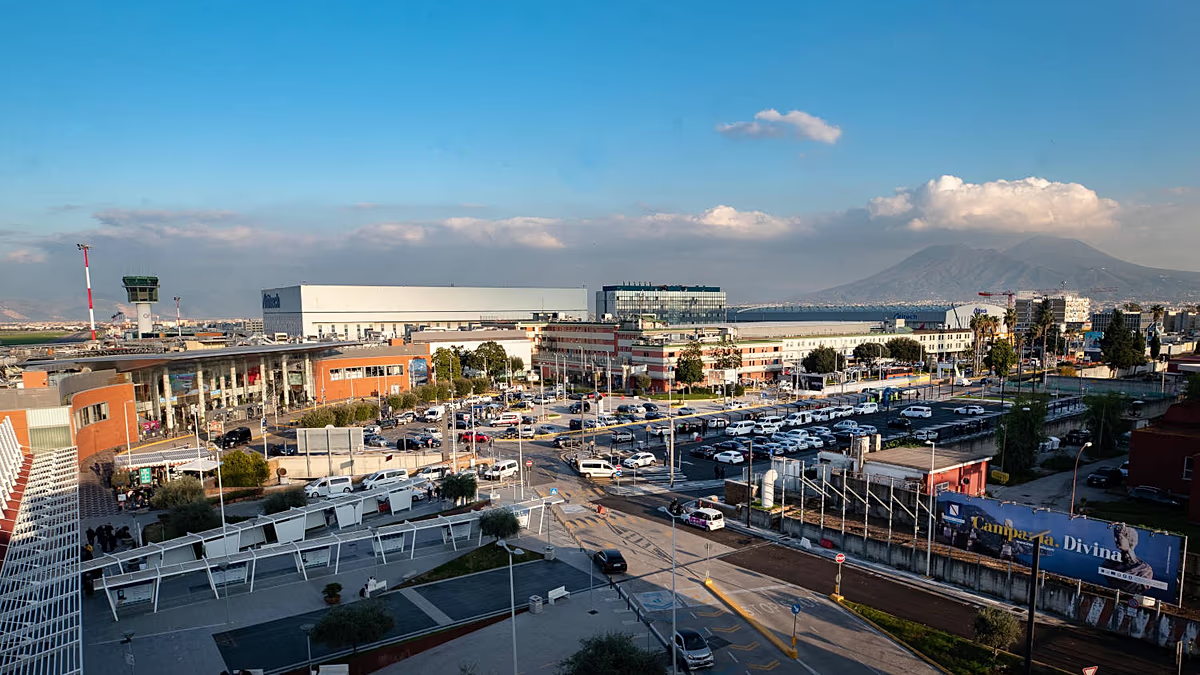
Anyone who has ever stood in the terminal of a bustling airport knows the strange mix of excitement, exhaustion and impatience that comes with air travel. Now imagine that same terminal suddenly falling silent for an entire month. That is exactly what is about to happen at Naples International Airport, one of Italy’s busiest and most important travel hubs. From the first of November until the end of the month, the airport, often referred to locally as Capodichino, will be closed to all air traffic. The reason is not a strike, not a sudden emergency, and not a political dispute. It is something far more mundane yet utterly essential: construction. The airport is undertaking a massive renovation of its runway and connecting taxiways, the very strips of asphalt that make take-off and landing possible. The closure is being framed by airport officials as a necessary step to guarantee the long-term safety, reliability and operational continuity of infrastructure that has been under increasing strain. For travellers, it means a month of adjustments. For the airport itself, it means a rare opportunity to do heavy work without the constant pressure of flights arriving and departing. But for everyone involved, it is a reminder of how much we take for granted the quiet magic of a runway. There is nothing glamorous about asphalt and lighting, yet without them, the entire rhythm of modern travel collapses. The decision to close an entire airport for four weeks was not made lightly, and it is one that will ripple through the schedules of thousands of passengers. Still, the message from those managing the project is clear: this is not a disruption to be dreaded, but an investment in the future, a chance to make Naples safer, smoother and more reliable for the millions of travellers who will pass through in the years to come.
The scale of the work is impressive, and the details matter far more than they might first appear. The project, which is expected to cost around €30 million, involves the renovation of the runway and the connecting taxiways. These are the surfaces that aircraft use not only for take-off and landing, but also for moving between the terminal and the runway. Over time, even the strongest asphalt develops cracks, unevenness and wear, and the safety margins that pilots and air traffic controllers rely on begin to erode. But the work goes far beyond resurfacing. The airport will also replace and modernise its visual aids lighting systems, known in aviation as AVL. These are the runway and taxiway lights, along with the illuminated signalling systems, that guide aircraft during take-off, landing and taxiing. They are especially critical in poor visibility, when fog, rain or low clouds can reduce a pilot’s ability to see the runway until the very last moment. In those situations, the lights are not just helpful; they are life-saving. The fact that this project is being carried out in November is deliberate. It is a time of year when the number of flights is naturally lower than in the peak summer months, which means fewer passengers are affected. To make the disruption as short as possible, the work will be carried out continuously, around the clock, seven days a week. That relentless pace is a sign of how seriously the airport is taking the need to reopen quickly and to give travellers as little inconvenience as possible. For the workers on the ground, it will be a demanding month, but the result will be infrastructure that meets modern standards and can serve Naples well into the next decade.
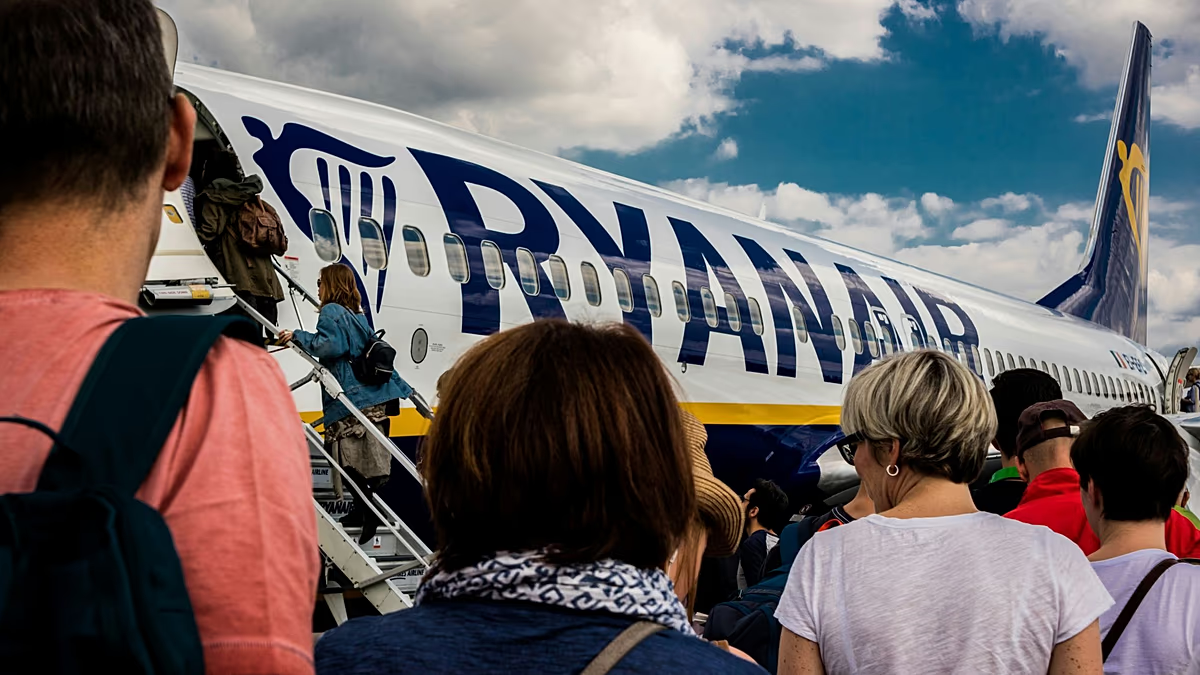
For travellers who still need to get to the Campania region during November, the good news is that plans are already in place to avoid major chaos. Several airlines have arranged to transfer their aircraft to nearby airports, most notably Salerno Costa d’Amalfi and the Cilento-area airports, which are relatively close to Naples and can absorb some of the redirected traffic. These airports are smaller and less familiar to many international visitors, but they are well positioned to help keep the region connected. Among the airlines involved are familiar low-cost carriers such as Ryanair, easyJet and Vueling, all of which have significant operations in Italy and across Europe. The redirected flights will cover a range of domestic destinations, including Bergamo, Milan Malpensa and Milan Linate, as well as Genoa, Turin and Trieste. For those travelling from further afield, there are also international connections to Amsterdam, Barcelona, Casablanca, Dubai, Dusseldorf, Madrid, Paris, Sharm el-Sheikh and Stuttgart. It is a reminder that even a regional airport like Naples is deeply woven into the wider European and Mediterranean travel network. The situation will not be identical to flying directly into Naples, of course. Passengers may need to adjust their onward plans, and the Salerno airport does not have the same scale of facilities as Capodichino. But the fact that airlines are rerouting rather than cancelling is a sign of how much effort has gone into keeping people moving. It also means that travellers should keep a close eye on their booking confirmations, because changes to routes and departure points may happen without much advance notice.
Getting to the airport, or rather to the alternative airports, will be a key part of the experience during the closure. To handle the extra strain, additional bus services will operate throughout November between Naples Piazza Garibaldi and Salerno Airport. This is a practical and reasonably priced option for people who need to reach the redirected flights from the heart of Naples. The journey may take a little longer than a direct drive to Capodichino would have done, but it offers a reliable connection at a time when many travellers are feeling uncertain. In addition, services to Salerno railway station are set to be increased, making it easier for passengers to combine rail and air travel. Existing routes to Potenza, Eboli, Battipaglia and the beautiful Amalfi Coast will continue to run as usual, which will be a relief for those who live in or are visiting those areas. For people who prefer not to rely on public transport, there is also a shared taxi service that has been introduced on a trial basis. This service offers fixed fares, which removes the worry of haggling or being surprised by a high meter reading. It covers two routes: one from Salerno Airport to Naples Central railway station, and another from Salerno Airport to Salerno Central railway station. The shared taxi option is particularly useful for families, groups of friends or anyone carrying heavy luggage, and the fixed-fare model gives a sense of security in a situation that might otherwise feel chaotic. Taken together, these transport measures show that the airport authorities are thinking carefully about the whole passenger journey, not just the moment of landing and taking off. They understand that a flight is not simply a matter of boarding a plane; it is the entire chain of buses, trains, taxis, waiting rooms, suitcases and nerves that leads up to it.
For regular travellers, this month-long closure will inevitably feel like an inconvenience. For airport employees, retail workers, security staff and local taxi drivers, it will be something more serious: a disruption to their livelihoods and daily routines. An airport is not just a building; it is a small city that depends on the constant flow of passengers. When that flow stops, even for a planned renovation, the silence can be disorienting. Yet the long-term benefits are substantial. A runway is not something that can be patched up indefinitely. Sooner or later, the underlying structure must be renewed, and the longer that is postponed, the greater the risk of unexpected delays, emergency repairs or even safety concerns. By closing the airport completely for one month and working around the clock, the authorities are taking a decisive, responsible approach. They are choosing to accept a short period of disruption in exchange for many years of smoother operations. For passengers, the best strategy is to remain flexible and to plan ahead. Checking airline notifications regularly, arriving early at the alternative airport, and leaving plenty of time for ground transfers will go a long way toward reducing stress. It is also worth remembering that this kind of infrastructure work is happening all over Europe, often without passengers ever noticing because it is done quietly behind the scenes. This time, the work is impossible to hide. But that transparency is actually a good thing. It gives travellers a rare glimpse into the enormous effort that goes into keeping air travel safe, and it invites a little more patience and understanding than we might normally offer when a flight does not go exactly as planned.
In the end, the closure of Naples Airport for November is a story about the invisible systems that make modern life possible. We board planes without thinking about the runway beneath us, and we trust the lights that guide us through the dark without ever noticing how old or new they are. This project is a chance to replace aging infrastructure with something stronger, brighter and more reliable, and to do so at a time when fewer people will be caught in the middle of it. When the airport reopens in December, it will be with renewed capacity and a quieter sense of confidence. The travellers who return will find a facility that is safer and more efficient, even if they cannot see exactly what has changed. For those who are inconvenienced in November, there is a small silver lining: the journey to Salerno, with its coastal views and slower pace, might offer an unexpected moment of discovery. A detour does not have to be a punishment. It can be a chance to see a part of Italy that is easy to overlook when rushing to catch a flight. With the extra buses, increased trains and new shared taxi services, the region is doing its best to make that detour as smooth as possible. The message is simple: Naples is not closing its doors; it is repairing its foundation. And by the time the next planeload of passengers touches down on the new runway, the month of November will feel less like an interruption and more like a necessary pause on the way to a better future.