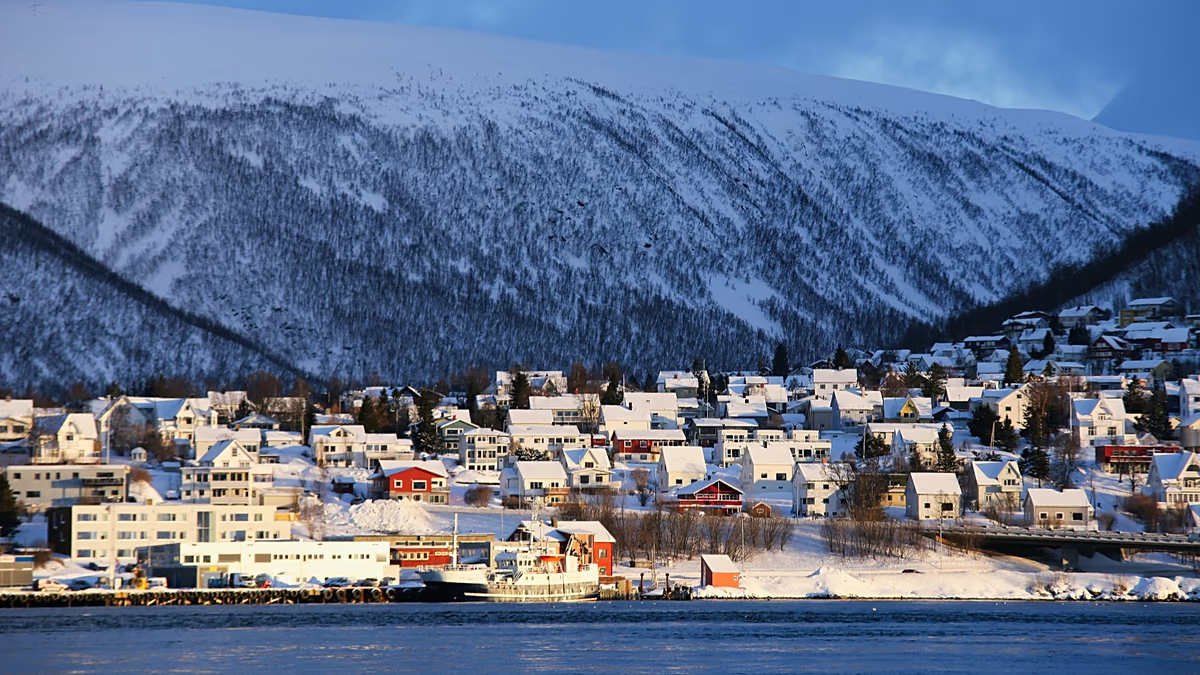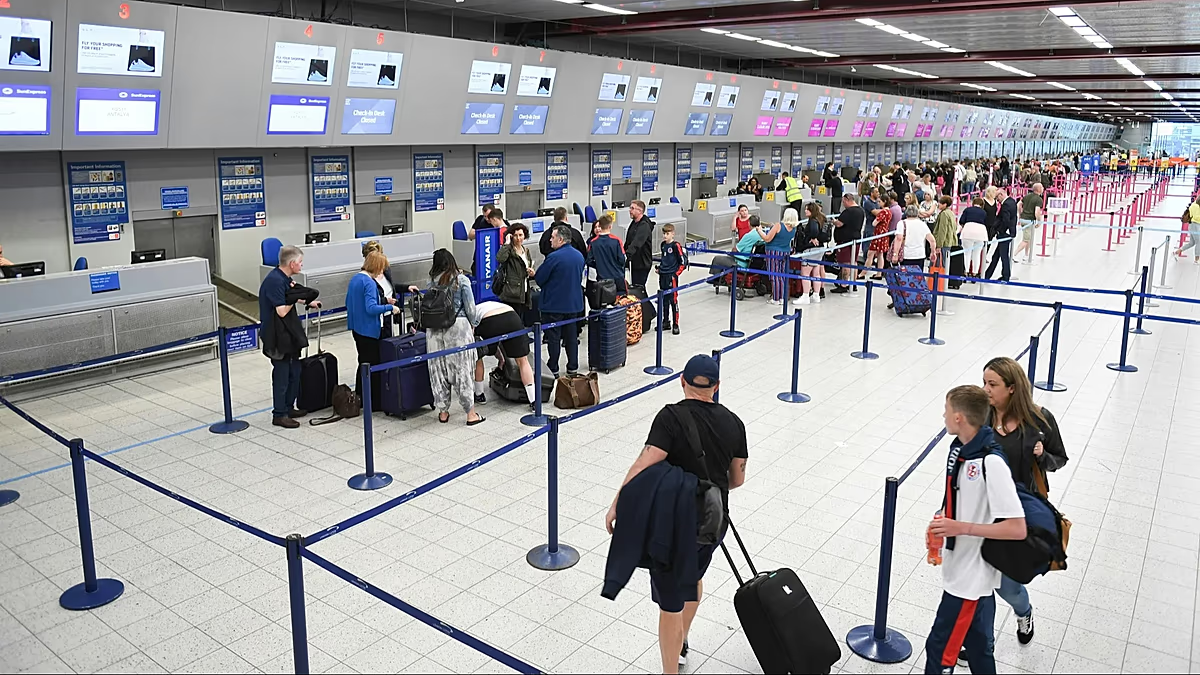



Every city that has become a postcard has also become a battlefield. The beautiful old streets, the golden light, the charming cafés, the sense that time moves more slowly here—these are the reasons millions of travelers cross the world. But the people who actually live in those places are often the first to lose them. In destination after destination, the tourism boom has created a strange paradox. Hotels and businesses celebrate rising revenues, while residents carry the hidden costs: climbing rents, disappearing housing, a shrinking sense of home, a gradual loss of the very identity that made their town special in the first place. The neighborhood that was once a daily life becomes something else—a backdrop, a product, a place with an entrance fee. David del Valle’s recent report captures this tension with sharp clarity, describing the quiet frustration that simmers behind the tourist crowds. The industry that profits from local culture can end up erasing it. Apartments become short-term rentals. Families move out. The local bakery becomes a souvenir shop. The noise, the queues, the feeling of being a stranger in your own street—this is the human price of travel that nobody puts on the bill. It is against this backdrop that a different model is beginning to take shape, one that refuses to accept the old binary of tourists versus locals. It is called Positive Action Community Tourism, or PACT, and it asks a deceptively simple question: what if the hotel sector, which benefits so directly from a community, also helped that community thrive? What if part of the wealth created by visitors could be channeled back into social, cultural, and economic life for the people who make a destination worth visiting in the first place? That is the idea at the heart of PACT, an initiative born in Malta and driven by British entrepreneur Mark Weingard, founder of the Iniala Group. Weingard is not trying to stop tourism. He is trying to change what it leaves behind.
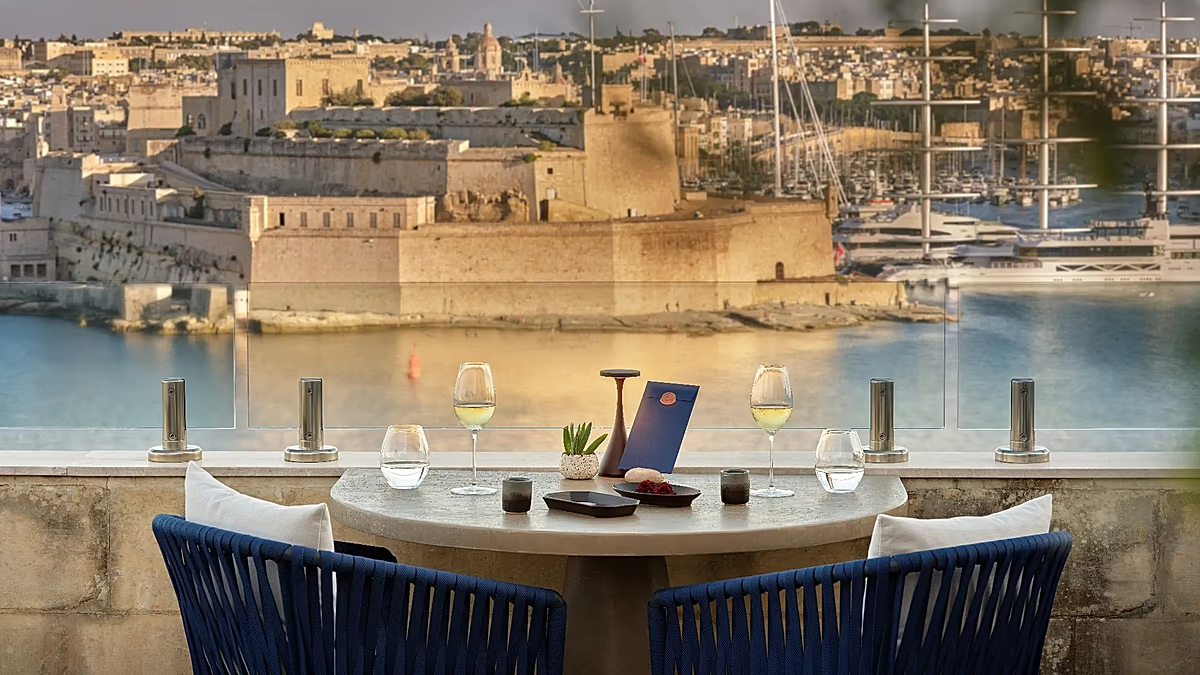
PACT began in Valletta, Malta’s ancient capital, but its ambition is far larger. Weingard talks openly about creating a global movement, and he is already working with the World Travel & Tourism Council to take the idea beyond the island. The movement already counts forty-five members, and it is growing. For Weingard, the core mistake of modern hospitality is that hotels often arrive in a destination as outsiders, extract profits, and leave the local population to deal with the consequences. “Hotels need to build a relationship with the community in which we operate,” he insists. “It is not enough to arrive in a destination, open a hotel and make a profit. We must also help improve the lives of the people who live there.” This is not just philanthropic language. His company, Iniala Group, is deeply embedded in the daily life of the Maltese capital, sponsoring local projects that range from culture to sport, working side by side with residents rather than in a boardroom above them. What he is asking for is a kind of emotional honesty from the tourism industry. “We need the respect of the people who live here, not their hatred,” he says. That sentence cuts through all the glossy brochures and corporate sustainability reports. It is a reminder that hospitality is not just about service—it is about mutual trust. The old model, in which a luxury hotel sits like a spaceship in the middle of a struggling city, is not only unsustainable; it is dangerous. It breeds resentment. It feeds the anger that eventually turns into anti-tourism protests, the kind that have erupted across Europe in recent years. Weingard’s answer is not to build walls around the hotel, but to build bridges. The idea of PACT is not a charity announcement. It is a commitment to let the community into the business model, to share both responsibility and reward. He believes that if hoteliers open their eyes to the neighborhood around them, they will discover something that no amount of silver service can provide: a genuine welcome.
The physical embodiment of this philosophy is Iniala Valletta, a project that began not with a design brief but with a sense of grief for what was almost lost. Weingard recalls arriving in Valletta and seeing buildings with stunning architecture and history that deserved to be preserved. But they were abandoned, decaying, falling out of memory. Instead of tearing them down and building something new and anonymous, he chose to restore them. The result is a boutique resort on an urban scale, made up of several historic buildings that blend seamlessly into the cityscape. This is not the kind of hotel that feels the same in every country. It belongs to Valletta. It respects the texture of the stone, the rhythm of the streets, the memory of the people who once lived there. Weingard’s intention was always bigger than simply opening a beautiful property. “My aim was to restore them and turn them into hotels that could attract travellers from all over the world while at the same time helping the city regain some of its vitality,” he says. He is aware of the danger, though. Restoration can become a tool of displacement if it is done without heart. A city can be polished until its soul falls off. That is why he is so clear about the limits: “We cannot allow the transformation of a city to end up driving out its residents or destroying traditions, so the commitment has to be to preserve local identity, improving the city without losing its essence.” In other words, beauty and development must serve the people who live there, not replace them. Weingard wants this approach to spread through cities like Madrid, London, Paris and Lisbon, urban centers where the pressure of tourism is enormous and the balance is fragile. He is not waiting for governments or international bodies to solve the problem, though he welcomes them at the table. He is calling for a broad agreement, a pact, that brings all stakeholders together—hoteliers, citizens, local associations, cultural institutions—so that the places travelers love can remain places locals love to live. “I would like this philosophy to spread to other cities and for more hotels to join the initiative,” he says. It sounds modest, but it is a radical redefinition of what a hotel can be.
And Weingard is already moving forward. He plans to bring his hotel model to Lisbon, Athens and Madrid, three cities that know both the triumph and the tragedy of overtourism. The properties will be connected to the culture and identity of each city, offering unique experiences rather than interchangeable luxury. Architecture, design and gastronomy are central to his vision. He works with local designers and architects, not imported celebrity names, and his restaurants are guided by Michelin-starred chefs who understand local ingredients and traditions. The result is not a hotel that happens to be in a place, but a place that happens to contain a hotel. Every detail matters, because Weingard understands what modern travelers are searching for. They are no longer satisfied with a good bed and a decent breakfast. They are demanding, discerning, curious. They know what they want and they have traveled enough to detect inauthenticity from a hundred meters away. They are looking for holistic experiences, moments that leave an emotional mark, memories that change them even slightly. They want to feel something real, and they want to know that their presence is not destroying the thing they came to admire. This is where PACT aligns with the new traveler’s conscience. If a hotel is embedded in its community, if it supports local life and protects cultural heritage, then staying there becomes an act of meaning. The guest is no longer just a consumer. The guest becomes a participant in the story of a place. That is the kind of tourism that can create lasting value, not just for shareholders but for everyone whose life is touched by it.
At the center of Weingard’s hotel model, though, is something even more personal: human wellbeing. “We are interested,” he says, “in what is happening inside people, how they feel and how they can improve their lives.” This is not a marketing slogan. His hotels are designed as complete wellbeing ecosystems, bringing together beauty and personal care, treatments for skin and physical recovery after exercise, healthy eating courses, psychological support, relaxation techniques and meditation. The idea is to treat the guest as a whole person, not just a body that needs a pillow and a shower. Weingard wants his guests to leave with tools they can use long after the vacation ends. He describes it as bringing together accommodation, physical activity, nutrition, personal care, emotional health and all the resources needed to improve real quality of life. “We do not want guests simply to enjoy a few days of rest,” he explains, “but to leave with knowledge, habits and a plan they can continue to follow afterwards.” It is a vision of travel as transformation rather than escape. In a world that is exhausted, anxious, and increasingly disconnected from both the body and the community, this kind of holistic hospitality feels almost necessary. And yet Weingard is convinced that this is where the industry is heading. Travelers are becoming more intentional, more health-conscious, more aware of their mental and emotional states. They no longer want to return from a trip with nothing more than a tan and a souvenir magnet. They want to come home feeling clearer, stronger, and more alive. This shift in expectations requires hoteliers to become caretakers of something deeper than buildings. It requires them to care about the emotional experience of their guests, and by extension, the emotional health of the community around them. That combination—inner wellbeing and outer belonging—is what makes PACT feel less like a niche initiative and more like a new definition of hospitality itself.
In the end, PACT offers a possible answer to one of the most painful questions facing the modern travel industry: can tourism be regenerative instead of destructive? Weingard’s work suggests that it can, but only if hotels change their relationship with the places they call home. The hotel cannot be a fortress of luxury in a sea of poverty and resentment. It must become a citizen, with responsibilities, obligations, and a genuine stake in the future of its neighborhood. It must hire locally, collaborate with local artists, support local causes, preserve local architecture, and listen to local voices. It must be willing to be told no, to be held accountable, to share its success. This is not easy. It is slower than the old model. It requires humility. But it is also more sustainable—not in the vague corporate sense of the word, but in the real sense of lasting. Imagine a destination where a tourism boom does not trigger gentrification, but instead funds housing and community programs. Imagine a hotel that is welcomed by its neighbors because it makes their lives better, not just its own bottom line. Imagine travelers who leave a city feeling that they have contributed to its heartbeat rather than sucking it dry. That is the future PACT points to. It begins in Valletta, with restored buildings and careful relationships, but it could spread anywhere. Weingard is not promising a quick fix. He is offering a philosophy, a pact, a way of seeing. In an age when travel has never been easier and never felt more complicated, that philosophy might be exactly what we need. The next revolution in tourism will not be built on a new airport or a new app. It will be built on a new kind of respect—for the people who welcome us, for the places we visit, and for the lives we touch without ever fully seeing.