



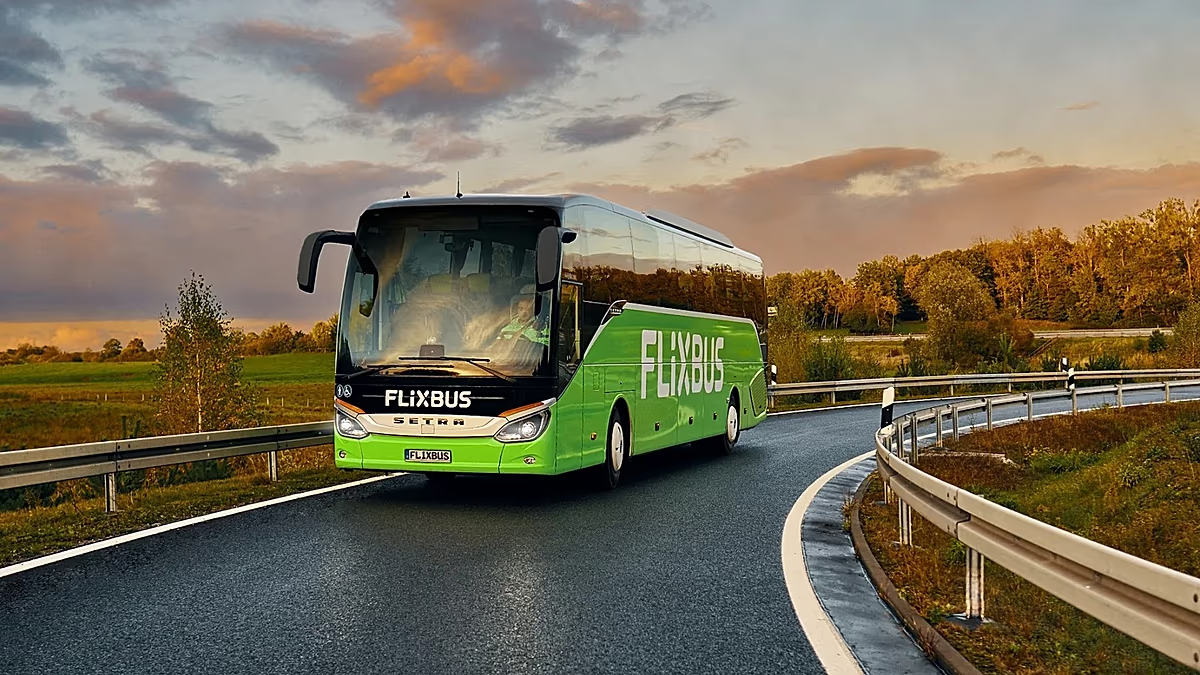
Summer in Poland has always been synonymous with coastal escapes, but this year, a familiar thrill is returning to the highways, sparking excitement among tourists, locals, and pop-culture enthusiasts alike. FlixBus has officially announced the resurrection of its legendary Route 666, the infamous “bus to Hel,” set to run during the highly anticipated 2026 summer season. Connecting the historic southern city of Kraków to the scenic tip of the Hel Peninsula via Warsaw and a string of popular Baltic Sea resorts, the service is far more than just a convenient public transit option. For locals and seasoned travelers, it represents the triumphant return of a beloved cultural phenomenon and arguably the country’s most famous, tongue-in-cheek geographic joke. The announcement has immediately sent waves through social media and major news outlets, proving that our collective appetite for a bit of playful tourism folklore remains incredibly strong.
The legacy of this legendary route stretches back many years, long before international transit giants took notice of its viral potential. Originally operated by the regional carrier PKS Gdynia, the line initially served to connect the quiet village of Dębki with the seaside town of Hel. Over time, clever passengers and tourists noticed an irresistible linguistic coincidence: the destination, “Hel,” sounded exactly like the English word “hell,” and when paired with the biblical “number of the beast”—666—it became the ultimate travel punchline. It did not take long for the line to transcend its humble regional roots and capture the imagination of travelers from all across Poland and beyond. Backpackers, families, and hitchhikers made a point of waiting at dusty roadside stops just to snap a photo with the digital destination sign reading “666 Hel,” sharing their playful adventures across social media and cementing the line’s reputation as a hilarious pilgrimage for lighthearted travelers.
However, as the route’s popularity swelled internationally, not everyone found the fiery joke amusing. In 2023, the lighthearted fun hit a major bureaucratic roadblock when a series of passionate protests from conservative religious groups put pressure on local transport operators. Critics argued that utilizing the “number of the beast” on a public bus route to a place homophonic with the underworld was blasphemous and sent an inappropriate message, sparking formal petitions to alter the designation forever. The resulting cultural clash became so intense that even foreign media outlets began reporting on Poland’s controversial “highway to hell.” Succumbing to the mounting pressure, the regional authority ultimately decided to appease the critics, changing the beloved number from 666 to a far more mundane 669. While the move quieted the immediate controversy, it left many travelers and tongue-in-cheek enthusiasts mourning the loss of a harmless, joyful piece of Polish holiday lore.
Recognizing the deep affection that people still harbored for the quirky route, FlixBus made the bold decision to bring the iconic 666 number back for the 2026 summer season. The transit company’s leadership made no effort to hide the fact that this choice was entirely deliberate, leaning directly into the humor that made the original line so famous. At a vibrant press conference, Michał Leman, the managing director of FlixBus in Eastern Europe, shared his enthusiasm, humorously noting that some routes are so perfectly self-explanatory that they require no further marketing efforts. By embracing this clever piece of travel culture, FlixBus has not only delighted nostalgic fans but has also successfully demonstrated an understanding of human-centered brand identity, proving that a global transportation company can still have a sense of humor and a genuine connection to the local communities it serves.
Yet, behind the viral marketing and playful branding, this resurrection serves a highly practical purpose for the thousands of travelers flocking to the Baltic coast every summer. The route is designed to solve a perennial headache for Polish vacationers: finding a seamless, direct transit link from bustling inland capitals to the crowded beaches of the north. Operating daily throughout the peak holiday season, the thirteen-hour journey begins bright and early in Kraków at 6:00 AM, making a strategic stop in Warsaw around mid-morning before weaving through crucial coastal transit hubs like Władysławowo, Chałupy, Kuźnica, Jastarnia, and Jurata, finally arriving in Hel just before 8:00 PM. By carefully coordinating this schedule, FlixBus aims to help passengers completely bypass the notorious, bumper-to-bumper traffic jams that plague the narrow peninsula roads during July and August. For weary travelers, the journey becomes an opportunity to relax, read, watch the Polish countryside roll by, and arrive at the beach refreshed and ready to jump into the waves.
Despite its delightfully ominous nickname as the “hellish bus,” passengers stepping off Route 666 will find themselves not in a fiery underworld, but in one of the quietest, most breathtakingly beautiful locations on the Baltic Sea. The name “Hel” has absolutely no connection to the biblical place of torment; instead, its roots are deeply historic, deriving from Old Germanic dialects where the word “hel” simply referred to a “dune” or a coastal hill. Historical maritime maps from medieval Denmark even referred to the area as “Heel,” paying tribute to the unique, curved shape of the 35-kilometer-long sandy spit that juts dramatically into the ocean. Today, this peninsula remains a peaceful haven for nature lovers, windsurfers, and families looking to escape the stresses of modern life. By bridging the gap between historical linguistics, modern humor, and efficient travel, FlixBus’s Route 666 offers more than just a ride to the coast—it offers a memorable journey that celebrates both the rich coastal heritage of Poland and the simple, universal joy of a summer holiday.