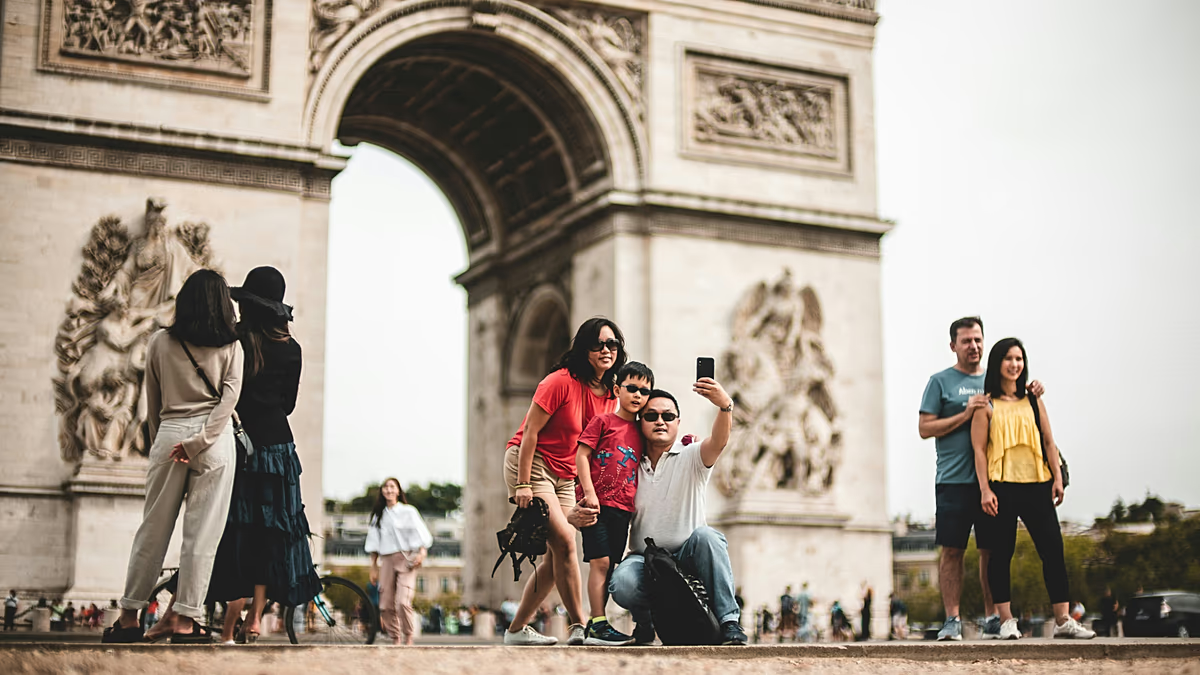







Lisbon, the radiant capital of Portugal, has captured the global imagination with its brilliant Atlantic sunlight, pastel-colored tiled facades, and iconic historic landmarks like the majestic Belém Tower, the ornate stone carvings of the Jerónimos Monastery, and the legendary yellow Tram 28. Yet, as travelers flock from every corner of the earth to photograph the historic plazas of Chiado, buy warm, flaky pastéis de nata, or queue for hours to catch a fleeting glimpse of St. George’s Castle overlooking the river, a distinct challenge has emerged: the authentic soul of this coastal city is increasingly drowned out by a deafening chorus of foreign tongues. Climb aboard the famous, squeaking Tram 28 during peak hours, and you are far more likely to hear French, English, Spanish, or Italian than the gentle, melodic cadences of native Portuguese. While this vintage, century-old steel carriage remains an undeniably romantic and affordable way to squeeze through the tight, gravity-defying curves of Alfama, Graça, and Chiado, the secret to preserving its unique magic is simple: heed the timeless old adage that God helps those who rise early. By catching the very first morning light when the cobblestones are still damp with Atlantic dew and the streets are blissfully empty, photography enthusiasts can capture the city awakening in its purest, most breathtaking state. Beyond these classic, heavily cataloged tourist sights lies a parallel Lisbon—a city of intimate, family-run neighborhood taverns, tucked-away culinary sanctuaries, and vibrant local communities that continue to thrive just beneath the commercialized surface. By stepping off the well-trodden, guidebook-recommended highway and intentionally embracing the perspective of those who live, work, and breathe here, you can unlock a deeply rewarding, thoroughly human journey across Lisbon’s seven legendary hills, discovering that the capital’s true allure lies in the quiet, daily domestic poetry of its authentic local neighborhoods.
To truly understand the beating heart of Lisbon, one must listen to Fado, the hauntingly beautiful, melancholic musical genre that UNESCO rightfully crowned as an Intangible Cultural Heritage of Humanity back in 2011. While many heavily marketed fado houses in Bairro Alto and Alfama demand expensive reservations, tourist-friendly dinner packages, and stiff admission fees, locals seeking the raw, unpolished spirit of “fado vadio”—or informal, amateur fado—routinely slip into the dim, photo-lined dining room of Tasca do Chico. Here, without any microphones or synthetic amplification, resident and visiting singers stand shoulder-to-shoulder with patrons, filling the low-lit space with acoustic sorrow and passion that demands absolute, religious silence from an audience squeezed together at shared wooden tables. To experience this intimate magic without waiting hours in the street, you can either queue before the doors open at seven in the evening or, better yet, enjoy a traditional dinner across the street at Retiro dos Sentidos before slipping into the Tasca late in the night as the tourist crowds begin to thin. This rich sensory depth extends all the way down to the wide, breezy banks of the Tagus River in Belém, where the modern, undulating architectural curves of the MAAT museum stand in beautiful, futuristic contrast to the industrial heritage of the old electricity power station next door. Walking or cycling along this expansive riverside path, with the crisp breeze off the Atlantic in your face, you are treated to a stunning panoramic view of the red 25 de Abril Bridge and the towering Cristo Rei statue—a landscape that evokes the dramatic bridge spans of San Francisco and the coastal grandeur of Rio de Janeiro. As the golden hour paints the sky, this journey can culminate in a moment of affordable luxury on the sophisticated waterfront terrace of Sud Lisboa, where you can sip a classic Italian spritz, feel treated like royalty, and watch the sailing boats glide home across the glittering waters of the river.
In Portugal, the culinary philosophy surrounding seafood is anchored in a beautiful, uncompromising simplicity: fresh fish, grilled meticulously over screaming-hot charcoal, and finished with nothing more than a drizzle of golden olive oil, a splash of local vinegar, and perhaps a pinch of sea salt. While many tourist-oriented establishments serve cheap, farm-raised sea bass, those in the know take the scenic coastal train from Cais do Sodré out towards the Atlantic sands of Carcavelos, seeking Cabana das Paixões—a hidden, rustic shed near a local football pitch where fragrant wood smoke billows into the ocean air. This cash-only, lunch-centric oasis serves whatever wild fish came off the boats that morning, from meaty grouper to delicate turbot, allowing meals to stretch lazily into the afternoon and finish with a warm espresso rinsed with a traditional shot of fiery aguardente. Back in the historic center, the same respect for ocean traditions is found in the humble art of canning, a craft elevated to gourmet status at the legendary Conserveira de Lisboa near the foot of the sloping Calçada do Combro. Steer clear of the gaudy, neon-lit tourist shops and step instead into this vintage, wood-shelved apothecary of the sea to procure traditional brands like Tricana and Prata do Mar, specifically asking for “sangacho de atum”—the dark, flavorful meat near the tuna’s spine that remains a treasured delicacy among locals. Savoring this neighborhood means slowly walking down from Largo do Camões, passing the iconic Bica funicular, exploring the bohemian viewpoint of Adamastor, and browsing the dusty shelves of second-hand bookstores before stopping by contemporary culinary boutiques like Juliana Penteado’s savory pastry studio or the aromatic blending rooms of the Companhia Portugueza do Chá, eventually winding up at the historic assembly of the Republic at the Palácio de São Bento.
No exploration of Lisbon’s human fabric is complete without immersing yourself in the electric, communal passion of Portuguese football, a sport that deeply divides the city into two eternal, fiercely respected rivals: Sporting CP and Benfica. On match days, the air around the Estádio de Alvalade crackles with anticipation, transforming the green expanses of the Campo Grande gardens into a massive, open-air feast populated by dozens of traditional, steam-belching food trucks. Here, surrounded by a passionate, chanting sea of green-clad fans, you can experience the ultimate, comforting Portuguese fast-food ritual: eating a “bifana,” a deceptively simple yet incredibly flavorful sandwich of thin pork cutlets simmered in a garlicky, spicy white wine sauce, served inside a crusty, fresh-baked roll. While celebrity chefs have attempted to gentrify this classic street food with artisan cheeses, fresh side salads, and fancy brioche buns, the locals remain fiercely loyal to the classic, unpretentious version, usually washed down with a cold draft beer poured into a reusable club-branded cup that makes for a wonderful homemade souvenir. If the roaring stadium crowds, chanting, and pre-match chaos feel too overwhelming, you can still participate in this rich culinary tradition by visiting old-school establishments like Cervejaria O Trevo on Largo do Camões, a beloved corner tavern once famously championed by the legendary traveler and storyteller Anthony Bourdain. During the warm, sun-drenched months stretching from late May to September, this casual local dining culture shifts toward plates of steaming, herb-infused snails, a savory delicacy cooked in a rich broth of garlic, oregano, and chili that Lisboetas eagerly devour late into the evening outside neighborhood cafés, even as their northern counterparts look on with a mix of playful skepticism and culinary dread.
For those willing to venture entirely off the beaten path, the diverse, hardworking neighborhood of Campolide offers an authentic slice of modern Lisbon life that rarely makes it into international glossy travel brochures. Dominated by the dramatic, soaring stone arches of the 18th-century Águas Livres Aqueduct—a monumental engineering marvel built to carry fresh water to a growing city—Campolide is a captivating tapestry of post-war apartment blocks, quiet residential pockets, and sleek contemporary office developments. It is here, hidden away from the glittering downtown plazas, that you will find Tasquinha do Lagarto, an unpretentious culinary temple revered by locals for serving one of the finest, most comforting representations of “cozido à portuguesa” in the entire country. This heavy, slow-cooked feast of assorted meats, regional smoked sausages, cabbage, and root vegetables is a weekly ritual, served strictly on Wednesdays and Saturdays, alongside other robust Portuguese specialties like tender broad beans with spare ribs, Trás-os-Montes-style bean stew, and delicate octopus fillets. After a long, satisfying lunch, you can walk off the meal by exploring the neighborhood’s surprising, cutting-edge creative side, which recently put Campolide on the global cultural map with a breathtaking work of street art painted on a towering urban canvas. The mural Calipso, created by the talented Portuguese artist Patrícia Mariano and inspired by Greco-Roman mythology, was officially recognized as one of the world’s best street art pieces, showcasing a visual narrative on water conservation and ecological sustainability that helped cement Lisbon as a global capital of urban open-air galleries. Walking between the historic aqueduct and these vibrant modern murals provides the ultimate physical metaphor for Lisbon itself, illustrating a perfect historical bridge where antiquity and cutting-edge modernity live side by side, creating a neighborhood aesthetic that remains completely uncompromised by commercial tourism.
As your journey winds back down into the grand, neoclassical grid of the Baixa district—sculpted by the Marquis of Pombal after the great earthquake of 1755—it is vital to navigate the historic streets with a discerning eye, particularly along major pedestrian thoroughfares like Rua Augusta and Rua das Portas de Santo Antão. The post-pandemic tourism boom has unfortunately filled these beautiful avenues with mediocre, highly commercialized eateries that rely on glowing laminated photos of food and aggressive street touts to lure unsuspecting travelers into paying high prices for subpar meals. To find the genuine culinary soul of this historic center, look past these superficial traps and head instead toward timeless institutions like Casa do Alentejo, a breathtaking late-19th-century palace whose spectacular, Moorish-style inner courtyard transports diners directly to North Africa before they sit down to enjoy authentic, rustic dishes from Portugal’s southern plains. For outstanding, fresh-caught seafood and top-tier hospitality, legendary establishments such as Solar dos Presuntos, Pinóquio, and Gambrinus offer unforgettable dining experiences that have stood the test of time, while the old-school Cervejaria Ribadouro on the leafy Avenida da Liberdade provides the perfect casual spot to crack open fresh ocean barnacles or enjoy a classic garlic-marinated steak sandwich. By seeking out these resilient corners of heritage, where hospitality remains an art form and recipes are passed down through generations, you will discover that the real Lisbon is not a museum frozen in time for spectators, but a living, breathing, profoundly warm community that will linger in your heart long after your bags are packed and you have returned home. Follow these local secrets, look past the commercial glare, and you will find yourself fully immersed in a city that welcomes you not just as a passing visitor, but as an old and trusted friend.