







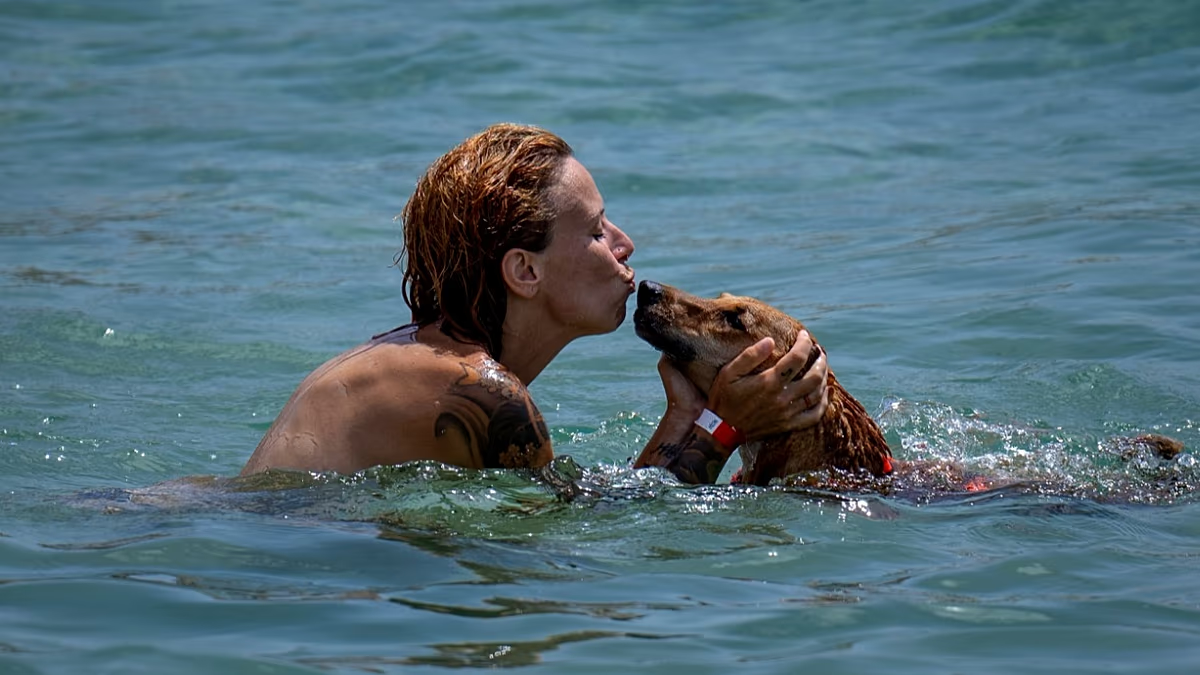
For many of us, a vacation simply does not feel complete without the joyful, tail-wagging presence of our four-legged family members. In recent years, a beautiful cultural shift has transformed the global travel landscape; we are no longer content with leaving our beloved pets behind in lonely kennels or with well-meaning neighbors while we jet off to enjoy the sun. Instead, dogs have firmly established themselves as true co-travelers, sharing in our outdoor adventures, sniffing out unfamiliar trails, and experiencing the sheer, unadulterated thrill of wide-open spaces right by our side. Spain, with its breathtaking coastlines, sun-drenched landscapes, and vibrant culture, has increasingly recognized this deep emotional bond, slowly but surely opening its arms to canine tourism. Watching a dog experience the ocean for the first time—leaping over small waves, digging furiously in the soft sand, and chasing the salty breeze—is a sight of pure happiness that every pet owner cherishes. However, transitioning from this dreamy, romantic vision to a seamless Spanish beach holiday requires a healthy dose of preparation and a deep understanding of local coastal dynamics. While the country’s tourism industry is becoming far more inclusive, the regulatory landscape of Spain’s beaches during the peak summer season can still be a complex maze of municipal bylaws, restricted zones, and unexpected fines. Understanding how to navigate this evolving canine-friendly travel world is the absolute key to ensuring that your summer escape is filled with nothing but warm sunshine, salty fur, and beautiful, stress-free memories.
If you are charting a course for the sun-kissed Mediterranean coast of Spain, you will find that the vibrant regions of Valencia and Catalonia are leading the charge in welcoming dogs with open paws. The Valencian Community has established itself as an absolute paradise for pet owners, boasting some of the most famous, well-equipped, and scenic dog beaches in the entire country. Imagine spending a lazy summer afternoon at Agua Amarga in Alicante, a trailblazing beach specifically adapted to meet the needs of canine visitors, complete with specialized amenities, or exploring the natural, untouched beauty of Caleta dels Gossets in Santa Pola, where crystal-clear waters invite endless games of fetch. Further along this lively coastline, the designated areas of Punta del Riu in El Campello and the popular Pinedo beach in Valencia offer dedicated spaces where dogs can freely socialize, splash, and play to their heart’s content. Heading north into Catalonia, the trend towards canine inclusivity is equally inspiring and deeply integrated into the local lifestyle. In places like Castelló d’Empúries, the famous La Rubina beach stands out as a true pioneer, having offered a golden, sandy sanctuary for dogs for many years, while other coastal gems like Rec del Molí in L’Escala and Els Griells in L’Estartit provide beautiful scenic backdrops where the Mediterranean breeze meets the pure happiness of playing dogs. These areas prove that with a bit of thoughtful municipal planning, beachgoers and their pets can share the beautiful coastal environment in perfect harmony, creating a welcoming atmosphere for everyone involved.
The fantastic options for a perfect canine beach holiday extend far beyond the Mediterranean east coast, reaching deep into the warm soul of southern Spain and across to its rugged, wild northern coastlines and exotic islands. In Andalusia, a region world-famous for its passionate culture, dramatic cliffs, and endless sunshine, provinces like Málaga, Almería, and Cádiz have carved out specific coastal sanctuaries where pets are welcome to enjoy the cooling Atlantic and Mediterranean breezes. Meanwhile, the quiet and sun-drenched region of Murcia offers peaceful, dedicated coves and beaches designed specifically for pet owners who prefer a slower, more relaxed, and natural pace of life. If you and your dog prefer cooler weather, dramatic cliffs, and wild, untamed landscapes, the northern regions of Galicia, Asturias, and Cantabria present an entirely different kind of coastal magic. Here, lush green hills meet the powerful ocean, offering dramatic beaches where dogs are often allowed to run across vast stretches of damp sand, feeling the cool spray of the Cantabrian Sea and exploring hidden rocky pools. For those adventurous souls looking to escape the Spanish mainland entirely, both the Balearic Islands, with their quiet, shallow turquoise coves, and the volcanic Canary Islands offer year-round pet-friendly beach options. This incredible geographic diversity means that whether your dog is an energetic retriever who loves leaping into big waves or a quiet senior dog who prefers a gentle, breezy stroll on cool northern sands, Spain has a perfect coastal corner waiting to be discovered.
Despite the steadily growing list of pet-friendly destinations across Spain, it is absolutely vital to remember that beach access for dogs is not a free-for-all, and navigating local rules is essential to avoid unwanted fines and frustration. Spain’s coastal laws grant individual municipalities the power to decide whether dogs are allowed on their beaches, which hours they can visit, and what specific guidelines must be followed. This highly decentralized approach means that a beach welcoming dogs with open arms in one town might sit right next to a municipality that imposes strict bans and heavy fines during the high summer season. Before you pack your bags, load up the car, and head to the coast, it is highly recommended to research the specific local ordinances of your destination town hall. Many dog-friendly beaches require your pet to be microchipped, fully vaccinated, and accompanied by up-to-date health documentation, such as the European Pet Passport. Furthermore, rules regarding whether dogs must remain on a leash while on the sand or whether they are allowed to swim freely in the water can vary wildly from one beach to the next, with some spots restricting dog access to early morning or late evening hours. By taking the time to understand these local expectations, carrying the necessary paperwork, and respecting the boundaries set by each coastal town, you can ensure a smooth, stress-free holiday that keeps both local authorities and fellow beachgoers happy.
Taking your dog to the beach is an incredibly rewarding experience, but it also comes with a significant responsibility to protect their health, comfort, and well-being from the harsh summer elements. Vets constantly remind pet owners that dogs do not handle extreme heat the same way humans do, making them highly susceptible to heatstroke, dehydration, and painful sunburns. To ensure your furry companion stays safe, it is highly recommended to avoid the beach during the hottest hours of the day, typically between 11:00 AM and 4:00 PM, and instead plan your beach visits for the cooler mornings or golden evenings. Always pack an abundant supply of fresh, cool drinking water and a portable bowl, as drinking salty sea water can lead to severe stomach issues, vomiting, and rapid dehydration for your pup. Creating a comfortable, shaded retreat using a sturdy beach umbrella, a pop-up pet tent, or a canopy is absolutely essential for giving your dog a place to rest out of the direct sun. Additionally, never underestimate how hot the sand can get under the intense Spanish sun; always test the ground with the back of your hand, and if it is too hot for you to hold it there for five seconds, it is far too hot for your dog’s sensitive paw pads. Applying pet-safe sunscreen to exposed areas like the nose and ears, and thoroughly rinsing your dog with fresh water after a swim to remove irritating salt and sand, will keep your furry companion comfortable, healthy, and happy throughout your seaside holiday.
Ultimately, the continued growth, acceptance, and success of dog-friendly beaches in Spain rely heavily on the collective responsibility, respect, and courtesy of pet owners. Sharing a public space with other holidaymakers—both with and without pets—demands a high standard of beach etiquette that ensures everyone can enjoy the beauty of the coast in peace. Always be incredibly vigilant about cleaning up after your dog immediately, disposing of waste in the designated bins to keep the sands clean, hygienic, and welcoming for everyone. Keep a close eye on your dog’s social behavior, ensuring they do not disturb other beachgoers, run over family towels, or steal picnic lunches from unsuspecting neighbors. Remember that while your dog might be incredibly friendly and eager to play, other dogs or people on the beach might be nervous, injured, or simply prefer to be left alone, making a controlled, polite, and respectful approach essential. By practicing this mindful, considerate behavior, we protect the natural coastal environment, show appreciation for local communities, and help pave the way for even more Spanish beaches to welcome dogs in the future. Armed with a bit of preparation, a spirit of adventure, and mutual respect, a Spanish beach vacation with your dog can be a deeply rewarding journey that strengthens your bond and fills your heart with sunny memories of shared coastal adventures.