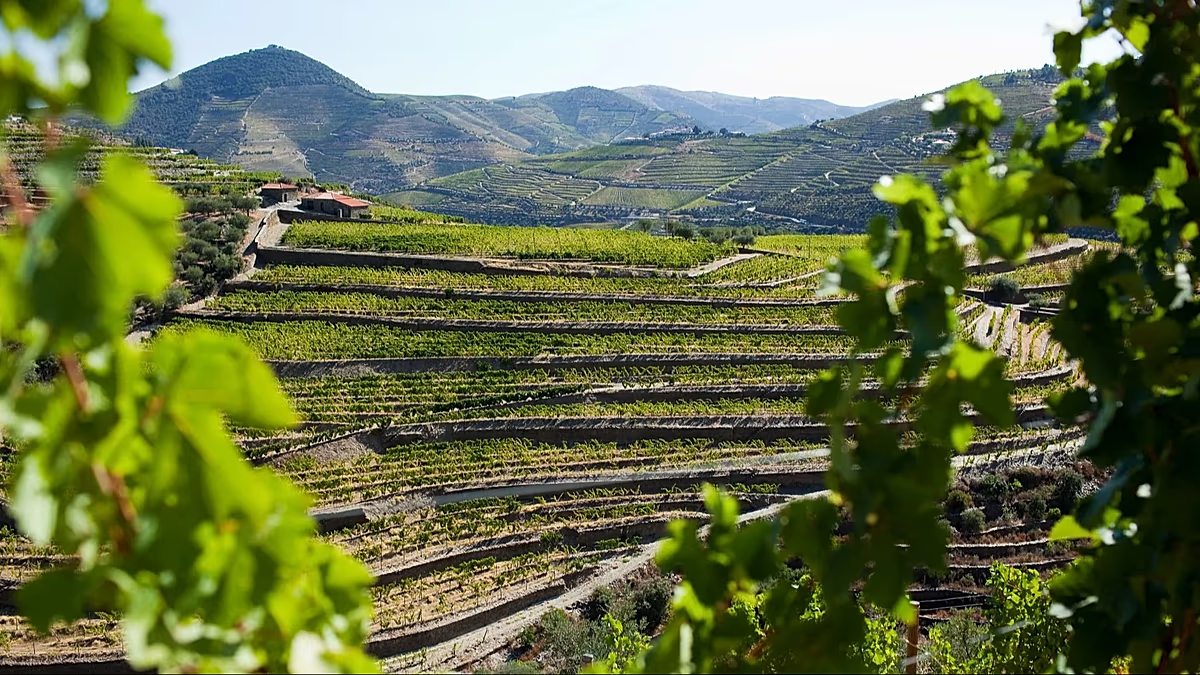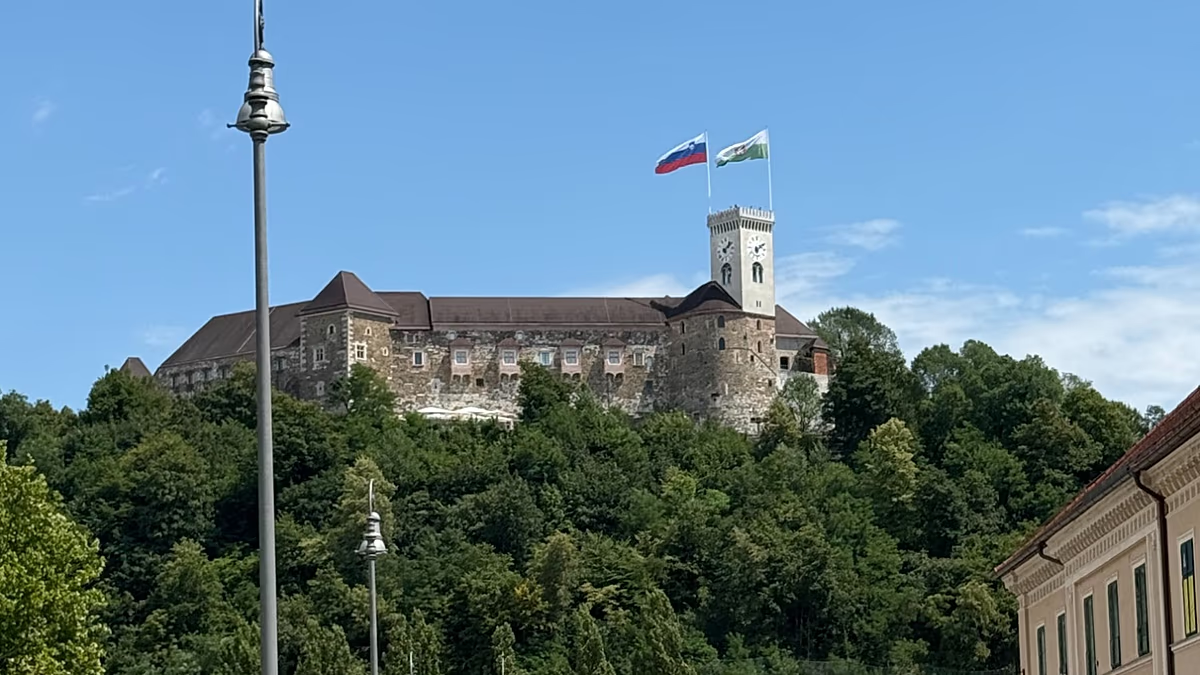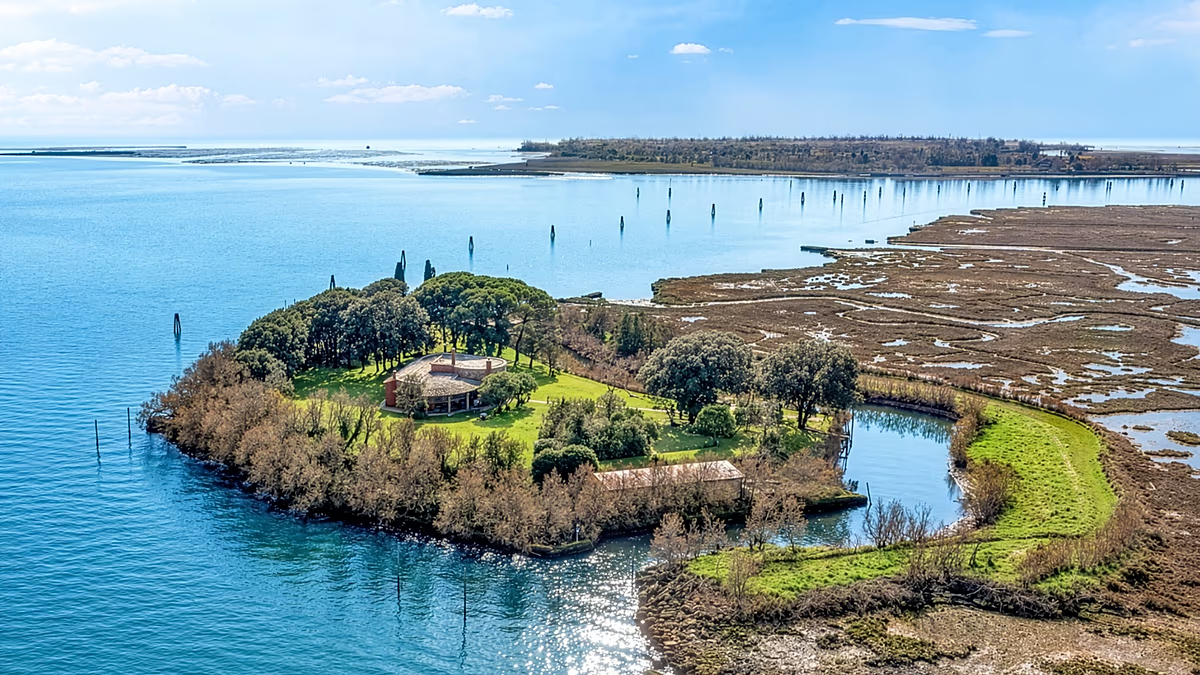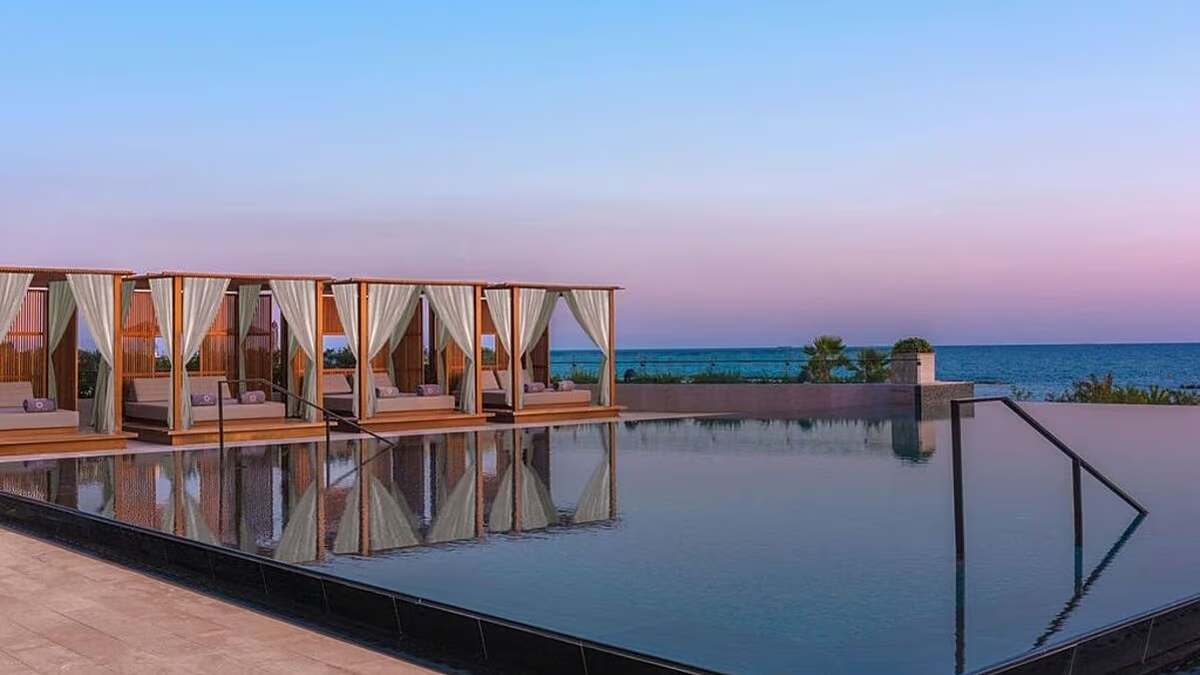






In an era where modern global travel can sometimes feel increasingly standardized and detached from the authentic local communities it touches, the contemporary adventurer is actively searching for something far deeper than mere physical comfort, high-thread-count sheets, or predictable five-star service. Today’s conscious travelers seek an emotional resonance, a historical narrative, and a genuine sense of place that can only be found in properties that actively honor, preserve, and celebrate the unique spirit of their geographic destinations. Recognizing this profound cultural shift towards soulful wanderlust, the acclaimed travel publication Afar has游 unveiled its highly anticipated list of the forty best new and beautifully reimagined hotels across the globe, highlighting properties that act as true cultural ambassadors rather than simple lodging options. Out of this carefully curated global selection, eleven standout properties are located in Europe, ranging from grand historical landmarks resurrected to their former glory to stylish, innovative new retreats tucked away in tranquil corners that have long escaped the mainstream tourism spotlight. As we look forward to the travel landscape of 2026, these eleven European properties exemplify a magnificent renaissance in luxury hospitality—one that prioritizes historic stewardship, creative architectural preservation, artistic collaboration, and deep community integration over superficial luxury. From forgotten noble palaces in historic metropolitan centers to rustic, sustainable farmsteads nestled in mist-shrouded valleys, these hotels invite global travelers to step off the well-worn tourist paths and immerse themselves directly in the living history, local flavors, and authentic daily rhythms of their surroundings. Ultimately, this curated collection serves as a powerful reminder that the finest hotels do more than just provide a comfortable bed for the night; they act as inspiring portals that connect us directly to the heart, soul, and creative legacy of the world’s most captivating places.
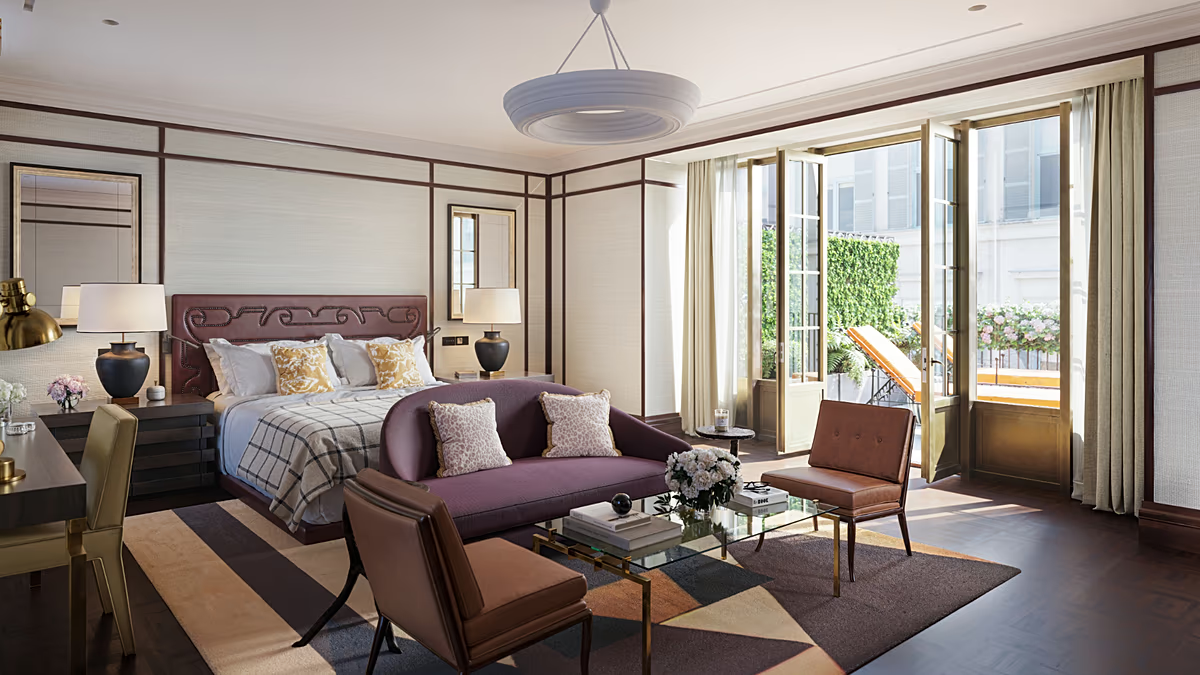
This harmonizing of heritage and modern spirit is nowhere more vividly realized than in Italy, where three spectacular properties are redefining luxury through the lens of history, art, and timeless design. High on a sun-drenched hill just outside the historic center of Florence, the Auberge Collection’s Collegio alla Querce breathes vibrant new life into a cluster of sixteenth-century buildings that once housed a bustling boarding school. Here, guests are treated to a seamless merger of city elegance and rural Tuscan serenity, complete with sweeping views of the iconic Duomo and the surrounding rolling hills. Boasting eighty-three guest rooms and suites that beautifully preserve original architectural details, the estate features lush terraced gardens scented with wild rosemary, a pristine lap pool, a therapeutic spa, and a character-rich cocktail bar creatively situated in what was once the school principal’s private office. Meanwhile, in the bustling fashion and design capital of Milan, The Carlton has returned to its rightful place as a beacon of Milanese high style following an intensive five-year restoration under the guidance of Rocco Forte Hotels. The property elegantly updates an iconic 1960s building with sophisticated interiors designed by Philip Vergeylen, Paolo Moschino, and creative director Olga Polizzi, paying direct artistic homage to legendary Milanese designers like the great Gio Ponti through bold geometries, rich velvets, and curated mid-century aesthetics. Further south in Rome, the legendary Orient Express La Minerva marks a triumphant, highly anticipated return to the Eternal City. Located just steps from the monumental Pantheon within a former seventeenth-century noble residence, this masterfully restored hotel features wood-paneled walls and trunk-inspired bedside tables that beautifully evoke the romantic golden age of historic rail travel, culminating in a breathtaking rooftop restaurant where guests can enjoy exquisite Italian cuisine while watching the sunset paint Rome’s ancient domes and terracotta rooftops in hues of gold.
Venturing beyond the sun-kissed Italian peninsula, the narrative of European hospitality shifts toward deep, comforting mountain sanctuaries and the majestic revival of Eastern European grandeur. Tucked away in the snow-capped peak country of Switzerland’s Engadin Valley, the quiet village of Sils Maria plays host to Chesa Marchetta, a wonderfully rustic hub that celebrates its dramatic Alpine setting with style and soul. Set inside a beautifully conserved sixteenth-century farmhouse, this intimate thirteen-bedroom retreat is the latest creative project from Artfarm, a pioneering hospitality company founded by the world-renowned Swiss art gallerists Iwan and Manuela Wirth. Inside, the soothing scent of aged Swiss pine fills the corridors, and the boundary between an avant-garde art gallery and a cozy mountain home beautifully dissolves; each bedroom is meticulously furnished with traditional, hand-carved local timber furniture and curated contemporary artworks, while the rustic dining room serves seasonal dishes that fuse hearty Swiss mountain classics with the delicate, sunny profiles of Northern Italian culinary traditions. Meanwhile, in the vibrant, rapidly evolving capital of Romania, the historic Corinthia Grand Hotel du Boulevard in Bucharest has thrown open its historic doors once more to reveal a world of timeless luxury. Originally completed in 1867, this magnificent Belle Époque landmark was once the sparkling epicenter of Bucharest’s high-society balls, lavish cultural salons, and royal gatherings beneath sweeping crystal chandeliers. Following an exhaustive and highly sensitive multi-year restoration, the historic building has been reborn as an exclusive thirty-suite sanctuary that effortlessly marries historic architectural opulence with state-of-the-art modern comforts. Its prime central location places guests right at the doorstep of the city’s historic old town, majestic neoclassical architecture, and a flourishing bohemian scene of independent cafés, pocket art spaces, and spirited restaurants that are collectively helping to redefine the Romanian capital as one of Europe’s most exciting, under-the-radar city break destinations.
The modern urban traveler is also witnessing an inspiring movement where boutique hotels are breathing fresh life into neighborhoods that have historically been overlooked or written off as clinical corporate zones. In Germany, a country often associated with utilitarian business travel, The Florentin in Frankfurt is boldly challenging preconceptions ahead of the city’s highly anticipated tenure as World Design Capital 2026. Housed inside a grand, imposing former banking mansion dating back to 1901 in the artistic Sachsenhausen district, this elegant retreat infuses the city with a luxurious, warm design language characterized by soft lighting, velvet accents, and rich textures. Rather than catering solely to visiting corporate travelers, it has quickly become a vibrant, bustling social hub for local creatives, largely due to its wildly popular destination restaurant, Dune, which celebrates local agricultural producers with innovative, modern menus that reflect Frankfurt’s shifting cultural identity. Across the English Channel, in London’s often-passed-over but wonderfully historic Fitzrovia neighborhood, The Newman has arrived to pay tribute to the area’s rich, independent creative history and bohemian heritage. Designed with a distinct visual consciousness that values neighborhood integration over commercial flashiness, the hotel features striking Art Deco-inspired interiors, walls adorned with historical photographs of eccentric local residents, and the moody, 1930s-style Gambit Bar. This seductive, dimly lit lounge was consciously designed to attract fashionable London residents and colorful neighborhood characters just as much as overnight hotel guests, fostering a dynamic, authentic local atmosphere where stories are shared over expertly shaken gin cocktails. Stepping outside onto the historic cobblestone streets, guests find themselves immediately plugged into the real, beating heart of the creative capital, with some of London’s finest artisan bakeries, cozy craft pubs, and hidden garden squares sitting just a short, pleasant walk from the hotel’s welcoming lobby.
For those travelers who feel a deep, soul-stirring pull toward nature, raw coastlines, and the quiet rhythm of rural life, the European hotel landscape of 2026 offers exceptionally beautiful sanctuaries far from crowded tourist hotspots. On Brittany’s wild Pink Granite Coast in northwestern France, Les Bassans offers a dramatic, windswept alternative to the highly commercialized, glittering beaches of the French Riviera. Perched majestically atop a rocky cliff in Perros-Guirec, this intimate, ocean-facing hotel occupies a beautifully conserved 1920s villa that stands as the Fontenille Collection’s inaugural property in this breathtaking region. Here, the focus is placed entirely on the dramatic natural surroundings, where copper-hued rock formations battered by ocean spray, wheeling seabirds, and scenic coastal hiking trails take center stage, presenting guests with panoramic, uninterrupted sea views from every single room. Similarly, on the edge of Dartmoor National Park in South Devon, England, Fowlescombe Farm offers an exquisitely slow, deeply restorative pace of life spread across a historic 450-acre working organic estate. The property features just ten meticulously decorated guest suites housed within converted stone barns, utilizing natural materials, warm textiles, and rustic details sourced directly from the estate’s own woodlands to create a cozy sanctuary perfect for chilly British evenings by the hearth. Guests can spend their peaceful days exploring the rugged moorlands, participating in quiet yoga sessions under the glass ironwork of a restored greenhouse, or dining on seasonal, organic dishes prepared with ingredients harvested only yards from their table. Farther south in Greece, nestled along the steep, rocky slopes of Crete, Tella Thera overlooks the shimmering turquoise waters of Kissamos Bay with a beautiful design that seamlessly embeds twenty-one guest suites directly into the hillside, surrounded by fragrant native herbs. Guests can indulge in holistic spa treatments utilizing locally pressed olive oil, explore the famous blue waters of nearby Balos Lagoon, and dine at the innovative zero-waste restaurant, Anemoia, which serves authentic Cretan cuisine deeply rooted in ancient island culinary traditions.
This grand journey through the most soulful and innovative new hotels in Europe reaches a quiet, contemplative culmination on the windswept Swedish island of Gotland, where Sibbjäns serves as an inspiring, gorgeous blueprint for the future of highly conscious, sustainable luxury travel. Developed around a fully functioning historic farm, this tranquil Scandinavian retreat masterfully combines cozy, barn-style rustic simplicity with highly thoughtful, minimalist Nordic design aesthetics that invite visitors to slow down and breathe. With a deep, uncompromising commitment to environmental preservation, the retreat integrates beautiful vintage hand-crafted furnishings with cutting-edge sustainable practices, including high-tech smart water-saving systems and an organic culinary program reliant almost exclusively on crops and livestock raised directly on-site, offering guests a deeply authentic taste of peaceful island life. When viewed as a collective whole, the eleven magnificent European properties highlighted by Afar for 2026 illustrate a monumental, highly welcome paradigm shift in how we conceptualize modern luxury, leisure, and global exploration. They prove that the most memorable, truly transformative journeys are those that connect us deeply to the soil, the local residents, the historic architecture, and the artistic legacies of the places we visit. By breathing fresh new life into forgotten heritage structures and championing sustainable, community-minded operations, these hotels ensure that the act of travel remains a deeply humanizing, conscious, and soul-shaping endeavor for generations of future adventurers to come. As we move forward into a new era of global discovery, these spectacular destinations stand as shining testaments to the power of hospitality when it is practiced not merely as a service industry, but as a fine art, encouraging us to slow down, listen to the quiet whispers of history, and treasure the delicate beauty of our hosts. Through their doors, we find not just a luxurious place to sleep, but a thoughtful, meaningful home away from home.