





Europe may wear its summer glory with pride, drawing crowds to its sun-drenched coasts and buzzing city squares, but the colder months unveil an entirely different kind of magic. While the concept of a “Eurosummer” has become a rite of passage for travellers worldwide, a “Euro-winter” offers its own unique tapestry of experiences. It’s a season of stark contrasts, where you can chase the ethereal dance of the Northern Lights in the snow-covered north, or shed your coat on sun-drenched volcanic sands in the far south. The continent transforms, trading bustling seaside promenades for quiet, snow-dusted trails and atmospheric, less-crowded cities. For those willing to look beyond the traditional summer itinerary, Europe in winter is not a compromise, but a vibrant alternative, presenting a quieter, more intimate side of its most beloved destinations. It’s a time when the traveller is rewarded with authenticity, lower prices, and the simple pleasure of discovering a place without the summer crowds, whether that means hiking through a winter wonderland or enjoying a coastal breeze without the intense heat.
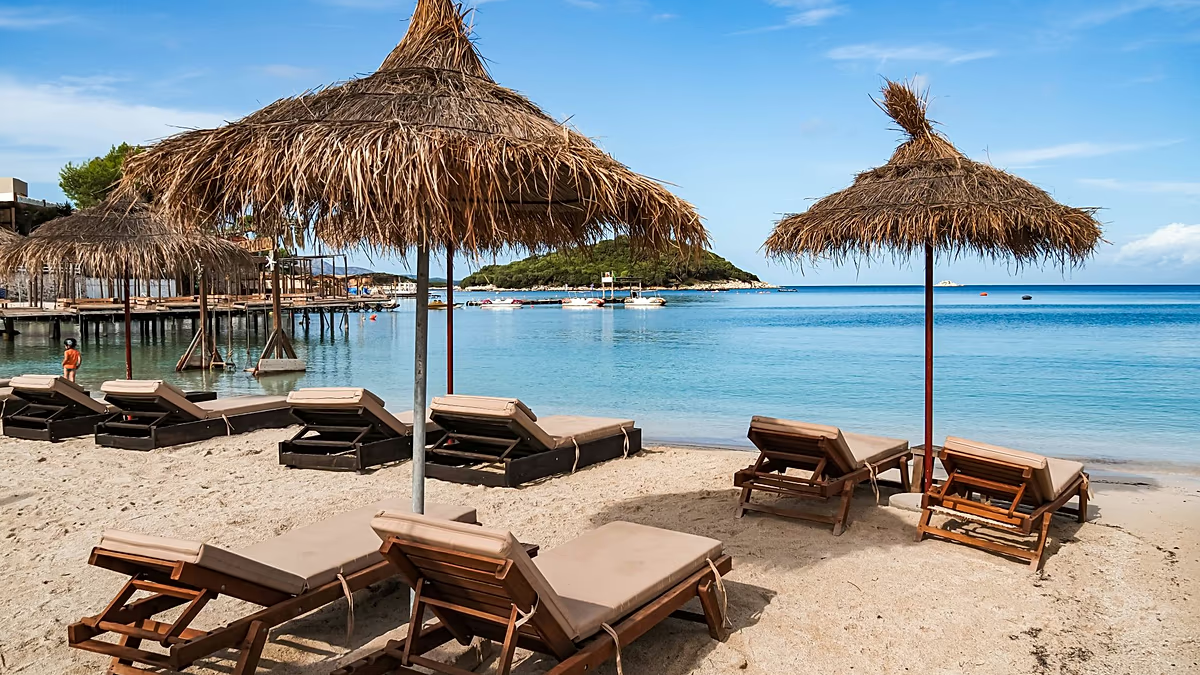
For sun-seekers who aren’t quite ready to pack away their swimsuits, the Canary Islands offer a fantastic winter respite, and in particular, the island of Fuerteventura. The second-largest island in the archipelago is a haven for those chasing reliable warmth, with average highs hovering around a pleasant 21 degrees Celsius even in the heart of January. While most of the European continent is bundling up, Fuerteventura invites you to spend your days stretching out on the golden sands of Playa del Matorral or wandering the surreal, Mars-like landscape of the Corralejo Natural Park, with its impressive dunes meeting the Atlantic Ocean. For those seeking solitude, the wild and remote beach of Cofete provides a dramatic, untamed backdrop. Yet Fuerteventura offers more than just beach lounging; it’s a destination deeply rooted in wellness. The island’s laid-back atmosphere encourages a healthy lifestyle, with al fresco yoga, meditation, and tai chi sessions easily incorporated into your day, all complemented by the constant, refreshing presence of the sea air. It’s a place where winter means shedding layers, both physically and mentally, and embracing a slower, more restorative pace of life.
Heading north to the rugged landscapes of Wales, winter brings a wild and dramatic beauty to Eryri, also known as Snowdonia National Park. This is a destination for the adventurer, where snow-dusted peaks, cascading waterfalls, and ancient, moss-covered woodlands create a breathtakingly stark landscape. The cooler months are the perfect time to witness this scenery in its rawest form, and joining a guided winter hike is a fantastic way to do so safely, learning essential mountain and navigation skills from experts. But the adventure is not confined to the mountain paths. You can dive into the region’s industrial history by exploring its former mines, which now offer thrilling underground journeys via zip wires, climbing routes, and even subterranean boat rides. For adrenaline seekers, the National White Water Centre operates all year round, offering the chance to brave the rapids even as the air turns crisp. Winter in Eryri is a call to embrace the elements, to pull on your boots, and to experience the invigorating power of a landscape that feels both ancient and fiercely alive, far removed from the manicured summer scenes of the same national park.
For a blend of urban culture and a gentle escape from the winter chill, the Spanish city of Bilbao presents an enticing option. While the weather in December and January is cool and occasionally rainy, with highs around 12 degrees Celsius, this is the perfect excuse to dive deep into its world-renowned indoor attractions. The Guggenheim Museum, a shimmering architectural masterpiece, is the city’s crown jewel, but the Museo de Bellas Artes and the Azkuna Zentroa, which boasts a year-round rooftop pool, offer equally compelling cultural experiences. The lower off-season prices also mean you’ll have more budget left to enjoy the city’s greatest culinary tradition: the pintxo. A crawl through the narrow, atmospheric streets of the medieval Casco Viejo (Old Town) is a feast for the senses, hopping from one lively bar to the next and sampling these intricate, bite-sized Basque delicacies. Winter in Bilbao is less about outdoor sightseeing and more about absorbing its spirited café culture, admiring its architectural wonders, and warming your soul with incredible food and drink. It’s a city that truly comes alive in its cozy interiors when the weather turns grey.
Another fantastic winter sun destination is the Portuguese island of Madeira, famed for its subtropical climate and dramatic, verdant landscapes. With pleasant temperatures that can reach around 20 degrees Celsius in February and an abundance of sunshine, it’s an ideal spot to escape the gloom of a European winter. The cooler months are arguably the best time to explore the island’s extensive network of levadas—historic irrigation channels that wind through the island’s lush mountains and Laurisilva forests, offering spectacular, easy-to-moderate hiking trails. Beyond the hills, the capital of Funchal is a delight to explore, with its vibrant markets, botanical gardens, and charming streets, all basking in mild winter sunshine. For the more adventurous, Madeira is increasingly known for trail running, mountain biking, and canyoning. And after a day of exploration, you can’t leave without trying poncha, a traditional and potent cocktail made with sugarcane spirit, honey, and lemon juice. Even celebrated figures like Winston Churchill were drawn to Madeira’s charms, particularly the picturesque fishing village of Câmara de Lobos, making it a timeless winter retreat.
Meanwhile, the French Riviera, or the Côte d’Azur, swaps its summer glamour for a serene and refined winter elegance. The heat and crowds of July and August are a distant memory, leaving the coastline peaceful and the atmosphere far more authentic. With mild temperatures and plenty of blue-sky days, it’s a perfect time to explore at a leisurely pace. You can wander through Nice’s Old Town without jostling for space, admire the stunningly opulent harbour of Monaco at your own leisure, or take a scenic drive along the dramatic coastal roads from Menton to Saint-Tropez, stopping at empty coves and quiet hilltop villages. The ‘microclimate’ ensures the winter weather is noticeably milder than the rest of France, making outdoor café terraces a year-round pleasure. In stark contrast, the Bavarian Alps in Germany present a classic winter wonderland. The landscape transforms into a scene straight out of a fairytale, with snow-covered mountains, frozen mirror-like lakes, and charming medieval towns. A visit to the iconic Neuschwanstein Castle, its towers rising dramatically above the snow-covered forest, is even more magical in winter. After exploring, you can warm up in a traditional tavern in the town of Füssen, or if conditions allow, go for a winter walk, snowshoeing, or even ice skating on a natural frozen lake.
Finally, two islands offer distinct winter experiences. For a unique, serene trip, Santorini in Greece is breathtaking in winter. The summer crowds, and the cruise ships, are gone, leaving the famous white-washed villages of Oia and Fira quiet and contemplative. While temperatures hover around 14 degrees Celsius, too cool for swimming, the low season makes it the perfect time to wander the marble streets, take in the stunning caldera views, and watch the world-famous sunset without fighting for a spot. Hotel rates are significantly cheaper, offering luxury for less, but it’s important to note that many hotels and restaurants close for the season, and international flights are limited, though the island remains accessible via daily ferries from Athens. Similarly, the Alentejo region of mainland Portugal offers a peaceful inland winter escape. The cooler months bring clear skies, and the rolling hills, cork oak forests, and vineyards provide a tranquil backdrop for exploring. Based in the UNESCO-listed city of Évora with its historic Roman temple and atmospheric old town, you can journey along the Alentejo Wine Route, stopping at traditional wineries near Estremoz and Monsaraz. Winter also sees lower accommodation prices, making it an accessible and rewarding time to sample the region’s hearty cuisine and robust wines.
If you’re looking for the ultimate European city break in winter, Lyon is a masterclass in food and culture. The city is often called the gastronomic capital of France, and winter is a superb time to explore its culinary delights. From Michelin-starred establishments to the traditional bouchons—family-run restaurants serving hearty Lyonnais classics—there’s something to satisfy every palate, with regional specialties like mushrooms from St-Bonnet-le-Froid and world-class cheeses taking center stage. When the chill sets in, you can escape the weather by exploring the city’s unique traboules, a network of hidden passageways that wind through the buildings of the Old Town. These atmospheric corridors offer a sheltered, intriguing way to see the city. You can also browse the vibrant covered food markets, warming up with a hot drink while selecting local delicacies. With its wealth of charcuteries, chocolatiers, and boulangeries, all vying for your attention, and its prime location as a gateway to the French Alps, Lyon is the perfect base for combining an indulgent city break with a spectacular ski holiday.