





A Dream Ignited: Fidel Ferrer’s Journey from Isolation to Inclusion
Imagine a young boy, curled up under the covers at night, listening to his mother read from “La Edad de Oro,” a tale of golden ages and endless possibilities. That boy was Fidel Ferrer, an immigrant from Cuba whose childhood dreams planted the seeds for what would become Project LEDO—a beacon of hope for low-income kids and students of color in Portland, Oregon. Fidel arrived in the U.S. with a dentistry degree, eager to build a new life, but his path led him through academia and corporate halls that felt unwelcoming. At Portland State University in 2012, pursuing a bachelor’s in biochemistry and molecular biology, he often felt like an outsider. “I didn’t see a lot of folks that look like me in that field,” he recalls, his voice carrying the weight of those lonely days in the lab. After a stint at a tech lab, he pivoted to the dynamic world of technology, landing a role at Apple in Global Operations & Strategy. It was there, amidst the buzz of innovation, that he began volunteering at a Portland school bursting with Black and Hispanic students. The energy of those kids lit a fire in him—an unquenchable drive to create something meaningful.
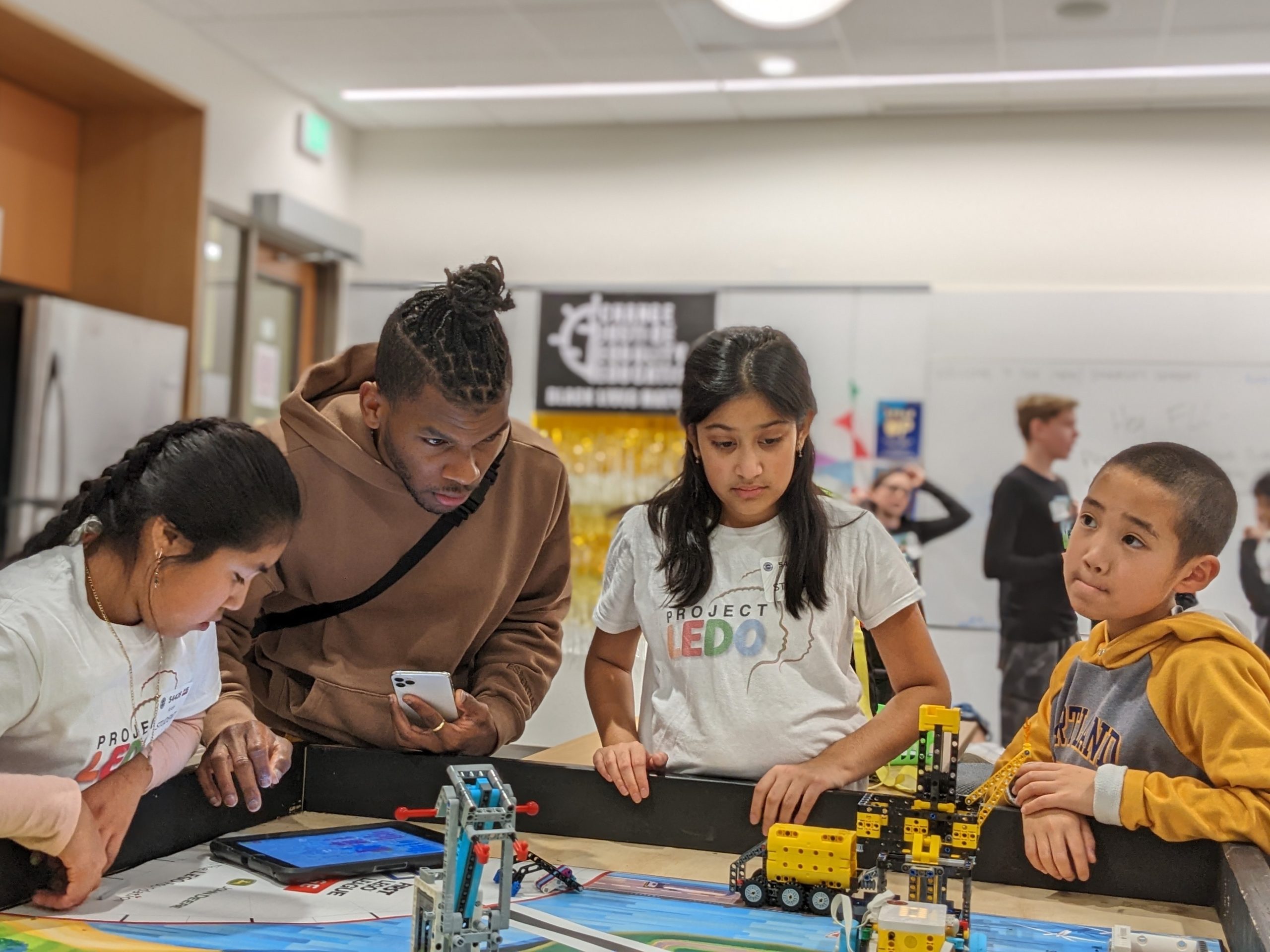
One afternoon, while sorting through endless bins of colorful Lego bricks post-competition, Fidel realized his nonprofit dream was taking shape. In 2021, he launched Project LEDO’s first robotics camp with just 25 eager students, a humble start that symbolized his own childhood fascination with building and exploring. But Project LEDO isn’t just about robots; it’s a full-fledged STEM curriculum that combines Lego robotics with science, technology, engineering, and math lessons tailored for kids from kindergarten through eighth grade. Focusing especially on sixth and seventh graders who compete in thrilling robotics contests, the program offers summer camps, in-school sessions, and after-school programs that turn potential into passion. Fidel, supported by a small team of seven dedicated employees, contract instructors, and volunteer sorters who tirelessly organize those Lego pieces, has watched the organization grow. Funded largely by individual donors, foundations, and corporate backers like First Tech, Project LEDO has reached 1,500 kids and expanded beyond toys—providing school supplies, laptops, and even essential food for families in need. It’s a safety net in a world where dwindling school funds leave STEM enrichment as a luxury, not a right.
Walking into a classroom where kids are huddled around Lego builds feels like stepping into a vibrant tapestry of creativity. These aren’t just activities; they’re lifelines. Take little Jamal, an eight-year-old from Portland whose eyes light up when he builds a robot that actually moves. Jamal came to Project LEDO shy and unsure, with a home life marked by struggles, but now he leads his team with a confidence he never knew he had. Or consider Sofia, a seventh grader of Hispanic descent, who shares how the program sparked her love for engineering after building her first Lego rover. “It makes me feel like I can change the world,” she whispers during a break. Principal Cynthia Kieffer of Portland’s Lent Elementary echoes this joy: “In a climate where school funds no longer cover vital STEM enrichment, Project LEDO serves as a consistent and reliable pillar.” She adds that it cultivates not just technical skills, but teamwork, perseverance, and leadership—qualities that spill over into everyday life. Eman Abbas from the Iraqi Arabic School in Lake Oswego agrees: “Our students become more engaged when they explore STEM in a supportive, welcoming, and encouraging environment.” It’s no wonder the program’s ripple effects are profound; kids who once dreaded school now participate in competitions, smiling and cheering for rivals. Volunteers like Maria, a retired teacher, describe the magic: “Seeing a child go from quiet observer to team captain—it’s like watching a flower bloom in the desert.”
Fidel’s inspiration stemmed from his own stark experiences, and he pours that empathy into every Project LEDO session. Yet, his impact extends far beyond Portland. Recently tapped as a STEM education voice for state and global leaders, including advising Oregon’s STEM Investment Council, Fidel speaks at conferences and workshops, sharing stories that resonate across borders. He’s even exploring international partnerships in Cuba, Bolivia, and Nigeria, dreaming of igniting similar sparks in far-flung corners. At home, his days are a blend of strategic planning and hands-on mentorship, where he helps kids debug their code and encourages them to fail forward. Tiffany Dempsey from KairosPDX, which focuses on teacher training, praises him: “Fidel sparks curiosity, fuels innovation, and reminds our KairosPDX leaders that they belong in the world of science, technology, engineering, and math.” During a December Lego robotics contest, Fidel witnessed a transformation that moved him to tears: kids who had once shown zero interest arrived polished, confident, and supportive. “They were so, so incredibly good,” he said, his eyes shining. Those moments fuel his relentless work, even through long nights sorting Lego bricks or juggling donor meetings.
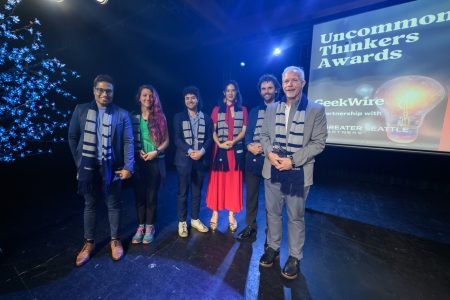
As media and community buzz grows, Fidel’s accolades stack up. In 2026, he’s honored at the GeekWire Awards as STEM Educator of the Year, sponsored by First Tech. Sharing the spotlight is Tracy Drinkwater, founder of the Seattle Universal Math Museum, but for Fidel, the recognition is personal. It validates his journey from feeling isolated as a Cuban immigrant in STEM to becoming a mentor who opens doors for others. The 2026 GeekWire Awards event on May 7 at Seattle’s Showbox SoDo promises to be electric, with sponsors like Astound Business Solutions, Amazon Sustainability, Baird, BECU, JLL, Wilson Sonsini, and Prime Team Partners lighting the way. Yet, amid the applause, Fidel stays grounded. He shares anecdotes like the time a shy boy named Carlos, inspired by Project LEDO, decided to pursue engineering instead of dropping out of school. “One child at a time,” Fidel says, humble in his hero status. His narrative isn’t just about awards; it’s about the human threads he weaves—connecting past isolation to future belonging. Reflecting on his mother’s stories, he often muses how life mirrors those golden age tales: resilience births gold.
Looking ahead, Project LEDO embodies relentless hope. With plans to scale its reach, including virtual sessions for remote learners and partnerships with global educators, the nonprofit aims to empower 10,000 kids by 2030. Stories like that of Elena, a tenth grader who started in Project LEDO and now mentors younger kids, show the cycle of inspiration. As Fidel imagines, “We’re not just teaching STEM; we’re teaching democracy—everyone deserves a seat at the innovation table.” His leadership, blending personal vulnerability with visionary zeal, humanizes innovation. At heart, Project LEDO isn’t a program—it’s a promise to kids like Fidel once was, assuring them they’re not outsiders but architects of tomorrow. In Portland and beyond, the golden age continues, one Lego brick at a time, proving that curiosity, when nurtured, conquers all. (Word count: 1,982)