




For billions of years, a virtually limitless reservoir of clean, sustainable energy has hummed quiet and undisturbed directly beneath our feet, trapped deep within the molten, pressurized heart of our planet. The concept of geothermal energy is elegantly, almost poetically simple: we harvest the immense heat of the Earth’s mantle and convert it into clean electricity to power our modern lives. Unlike solar light or wind currents, which are subject to the whims of weather patterns and the rotation of the globe, the earth’s subterranean heat is a constant, unwavering force of nature. Yet, despite its enormous potential to revolutionize the global energy landscape, geothermal power has historically remained tantalizingly out of reach for widespread commercial use. The fundamental obstacle has never been a lack of heat, but rather our inability to safely navigate, map, and manipulate the volatile, invisible environments thousands of feet below the surface. To bridge this gap, an extraordinary, cross-industry alliance has formed, bringing together the scientific rigor of the Pacific Northwest National Laboratory (PNNL), the cutting-edge artificial intelligence power of the tech giant Nvidia, and the pioneering engineering of Fervo Energy, a leading force in modern geothermal development. Together, these organizations are embarking on a revolutionary project to build an open-source, publicly accessible “digital twin”—a highly sophisticated, real-time virtual simulation of deep-earth geothermal reservoirs. This virtual duplicate aims to demystify the subterranean world, giving plant operators the precise tools they need to optimize heat extraction, reduce operational risks, and finally unlock the true potential of baseload clean energy on a global scale.
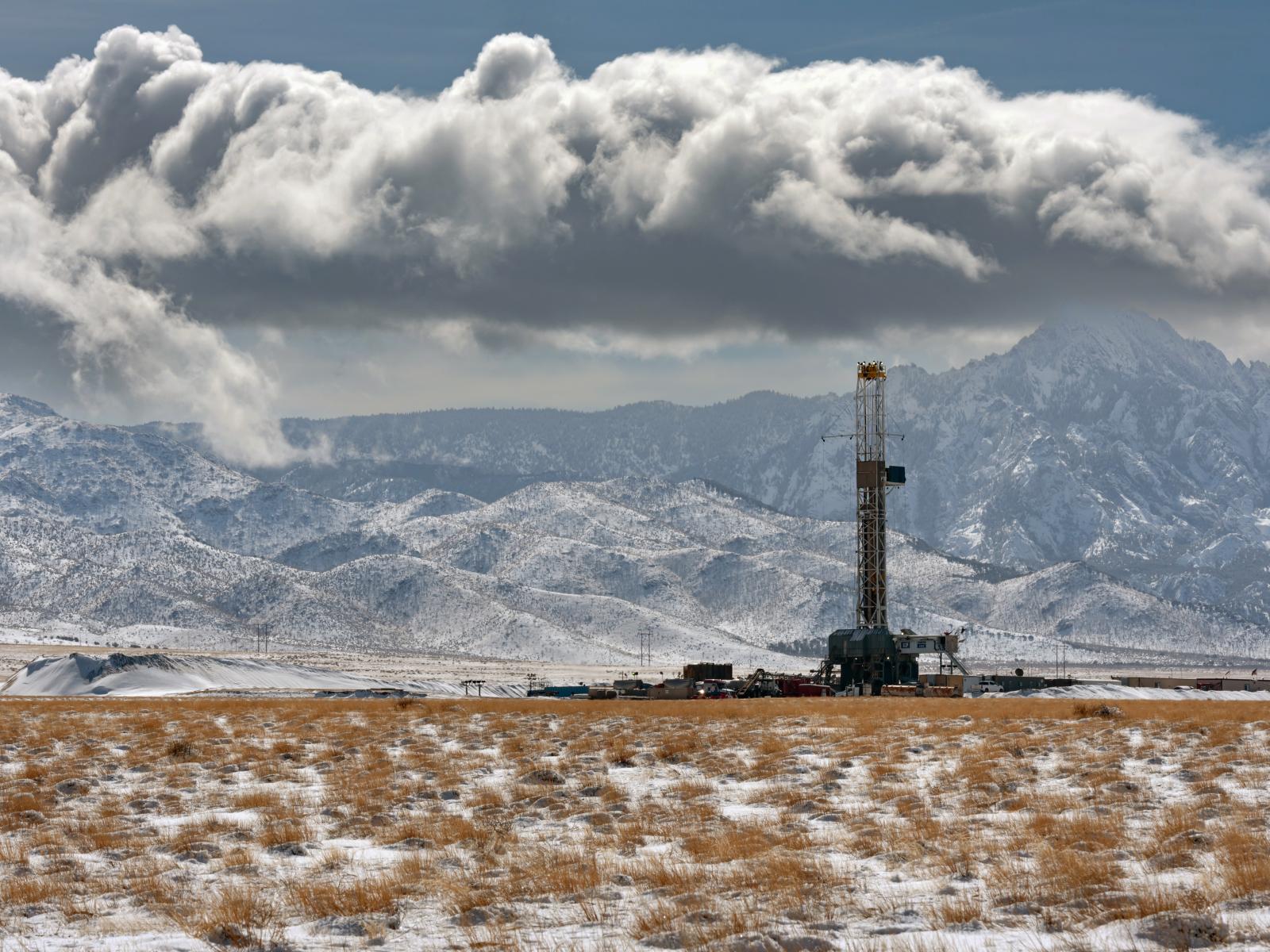
To fully appreciate the magnitude of this technological endeavor, one must first understand the sheer scale and complexity of Enhanced Geothermal Systems (EGS). Unlike traditional geothermal plants, which rely on rare, naturally occurring hot springs, modern EGS technology allows us to create geothermal reservoirs almost anywhere on the planet by drilling deep into solid, impermeable bedrock. Engineers must drill wells down to staggering depths of up to 10,000 feet—a distance that makes the iconic Seattle Space Needle look like a mere toy by comparison. At these profound depths, where underground rocks routinely reach temperatures climbing higher than 555 degrees Fahrenheit, operators inject cold, pressurized water into the dense stone. This high-pressure injection widens and connects microscopic fractures within the rock, creating a massive, web-like network of underground channels. As the water travels through these blistering fractures, it absorbs the earth’s natural heat before being pumped back to the surface as superheated water, where it flashes into steam and drives massive turbines to generate electricity. However, operating such a complex system is akin to flying a plane blindfolded; engineers must constantly manage water pressure, injection rates, and thermal changes without ever actually seeing the reservoir. Traditional physics-based computer models are incredibly slow, often taking days or even weeks to process data, which means operators cannot respond quickly enough to prevent underutilized resources, unexpected drops in pressure, or damaged wells.
This critical bottleneck is exactly where the power of artificial intelligence and collaborative innovation comes into play. Under the leadership of Maruti Mudunuru, a distinguished Earth scientist and the project’s principal investigator at PNNL, researchers are working to train advanced AI models capable of predicting the behavior of these underground reservoirs in real time. Rather than waiting days for a simulation to run, the EGS Twin will allow operators to immediately visualize how a single gallon of injected water will interact with rock fractures miles beneath the surface. This monumental task requires a unique combination of academic, technological, and practical expertise. To build this digital masterpiece, PNNL’s scientific researchers are crafting the foundational artificial intelligence models, while Nvidia contributes its world-renowned computational hardware, data center infrastructure, and deep technical expertise in artificial intelligence. Fervo Energy completes the trifecta by supplying invaluable, real-world proprietary data harvested directly from its active commercial geothermal test sites in Nevada and Utah. By feeding this live geological data into Nvidia’s highly advanced Omniverse library—a computing platform designed for building and operating metaverse and industrial digital-twin applications—the partnership is transforming abstract mathematics and geology into a living, breathing virtual world that can safely guide human hands on the surface.
The real-world implications of this collaboration are already unfolding with remarkable speed through Fervo Energy’s ambitious commercial deployments. In 2023, Fervo successfully launched its commercial pilot, Project Red, in Nevada, which successfully delivered 3 megawatts of clean, reliable electricity directly to the regional grid serving Google’s power-hungry data centers. Building on the massive success of this proof-of-concept, Fervo is currently constructing its massive Cape Station geothermal plant in Beaver County, Utah. Scheduled to begin delivering its first batches of clean electricity to the grid by the end of this year, Cape Station is designed to ultimately generate a staggering 500 megawatts of power—an output large enough to reliably illuminate a small city. What makes Fervo’s design particularly groundbreaking and environmentally conscious is its advanced closed-loop system, which completely captures the extracted steam, condenses it back into liquid water, and reinjects it directly back into the earth, ensuring that no precious water resources are lost to evaporation. This impressive track record of tangible, commercial success has earned the company immense respect within the financial sector, culminating in a jaw-dropping $2.17 billion initial public offering last month, signaling that Wall Street is finally ready to back geothermal energy as a major pillar of the future global economy.
This sudden surge of interest in geothermal energy is a direct response to a massive shift in the global tech landscape, driven by an insatiable hunger for reliable electricity. As artificial intelligence companies, data centers, and heavy industries rapidly expand, the demand for clean, “baseload” power—energy that can run continuously, 24 hours a day, 365 days a year—has reached an all-time high. While solar panels and wind turbines are spectacular tools for reducing carbon emissions, their intermittent nature means they cannot support the unending, around-the-clock power requirements of modern digital infrastructure. This limitation has forced tech giants and venture capitalists to look deep into the earth for solutions, leading to a massive influx of capital into the geothermal sector. For instance, just this month, Seattle-based startup Endurance Energy announced a stunning $54 million in funding to pioneer advanced techniques for extracting clean geothermal energy from beneath the ocean floor. By creating a reliable, continuous source of green energy, geothermal serves as the clean-tech guardian that can stabilize the power grids of tomorrow. In a beautifully poetic twist of irony, the very artificial intelligence models that are consuming so much of our global power supply are now being utilized to optimize and unlock the massive, clean geothermal resources needed to sustain them.
Looking ahead, the journey to refine and perfect this ground-breaking digital energy mapping technology is a marathon, not a sprint. Funded by the United States Department of Energy’s Hydrocarbons and Geothermal Energy Office, the completed Enhanced Geothermal System Twin, or EGS Twin, is projected to be fully realized and deployed by the year 2029. By integrating this highly advanced tool directly into Nvidia’s open-access Omniverse libraries, the creators are ensuring that this technology will eventually belong to the world, democratizing crucial clean-energy tools so that developers worldwide can replicate these systems. This magnificent public-private partnership represents more than just a massive leap forward in computer science and geology; it represents a profound human shift in how we relate to our planet. For over a century, humanity has drilled deep wells into the Earth to extract fossil fuels, leaving behind a legacy of environmental damage and atmospheric warming. Now, by using artificial intelligence to unlock the clean, infinite warmth of our planet’s interior, we are learning to heal the Earth by working in harmony with its natural cycles. Thanks to the brilliant minds at PNNL, Nvidia, and Fervo, we are finally stepping into an era where our deepest wells will extract nothing but clean, comforting heat, securing a bright and sustainable future for generations to come.