


In a quiet but significant development for the craft beverage world, the patents of PicoBrew—a Seattle startup that once promised to bring the magic of artisanal beer into every home with the flick of a button—are back on the auction block. Six years after the company’s spectacular collapse into receivership, and after two changes in ownership, the intellectual property that powered its revolutionary brewing machines is again being shopped to potential buyers. Hilco Global, an Illinois-based financial services firm, announced this week that its Intellectual Property Services group has been retained by PicoBrew’s current owner, a group called Pico Craft Group, to market the technology. The goal is not just to sell patents, but to rekindle the spark of an idea that once captured the imagination of homebrewers, coffee enthusiasts, and tech investors alike. When PicoBrew launched, it wasn’t just another gadget—it was a dream that anyone could become their own microbrewery, turning fresh ingredients into a perfect pint without the years of trial and error that traditional brewing demands. That dream flickered and nearly died, but the technology that made it possible may now find its second life.
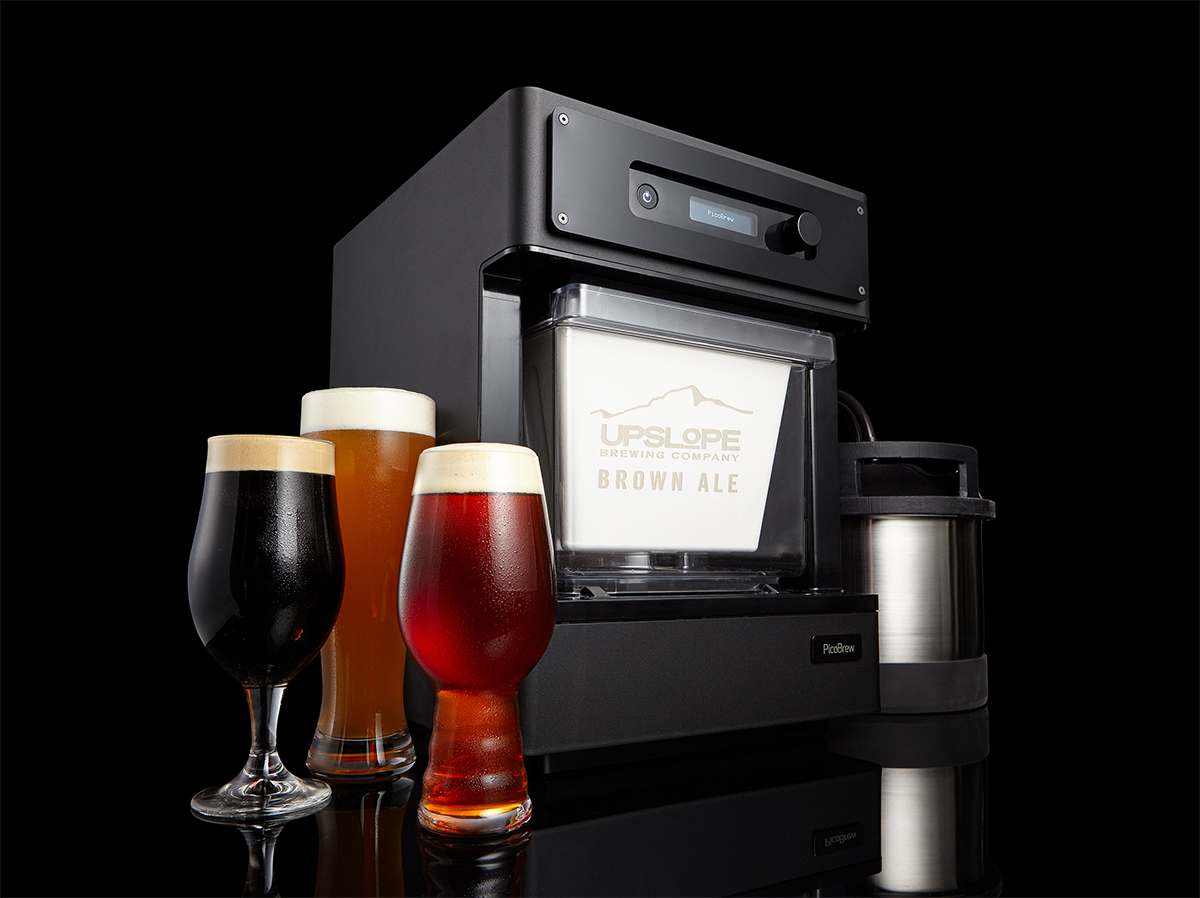
The portfolio being offered is substantial, covering 17 patents and patent applications (two still pending), along with engineering and design files, product concepts, and other proprietary knowledge. Hilco is packaging these assets for a wide range of industries—coffee, tea, kombucha, spirits, beverage appliances, and housewares—recognizing that the underlying technology is far more versatile than beer alone. Indeed, PicoBrew’s product line was astonishingly broad: the Pico Pro and Pico C for countertop home brewing, the PicoStill accessory for distilling spirits, the Pico U Multibrew platform that could tackle beer, coffee, tea, and kombucha, and the larger Z-Series brewing machines and KegSmarts kegerators for commercial use. These were not mere toys; they were sophisticated devices that automated the entire brewing process using PicoPaks—ingredient cartridges developed in collaboration with craft breweries, filled with precise amounts of malt, hops, and yeast, ready to be inserted into the machine and transformed into a fresh, delicious beverage in a matter of hours. For a generation that grew up on single-serve coffee pods, PicoBrew was the logical next step: a Keurig for beer, and eventually for everything else. The engineering was elegant, the design was sleek, and the possibilities seemed endless.
Behind this technological revolution were a trio of founders whose backgrounds were as appealing as the product itself. Bill Mitchell, a former Microsoft vice president and lifelong homebrewer, teamed up with his brother Jim Mitchell, a food scientist, and Avi Geiger, an engineer also with Microsoft roots, to bring their vision to life in 2010. Their combined expertise—software, science, and a passion for good beer—drove them to create something that had never been attempted before: a machine that could replicate the artistry of craft brewing with the convenience of a kitchen appliance. The startup embraced crowdfunding as its launchpad, becoming a Kickstarter regular. Its 2017 campaign for the Pico Model C raised an astonishing $1.93 million from 4,301 backers, setting a record at the time for the platform’s food category. The $549 machine soon found its way into major retailers like Best Buy, Williams-Sonoma, and Amazon, a validation that this wasn’t just a niche gadget for hobbyists. The following year, a campaign for the Pico U expanded the concept even further, promising to brew coffee, tea, and kombucha alongside beer, turning the countertop into a multipurpose beverage laboratory. For a while, PicoBrew looked like the future of home crafting—a promising, innovative, and beloved brand.
But the future came with an asterisk: scaling a hardware startup is brutally difficult, and PicoBrew struggled to maintain its momentum. Despite raising more than $15 million and growing its staff to over 80 people, the company couldn’t convince investors to keep pouring money into a costly, complex venture. In February 2020, after failing to close a new round of funding, PicoBrew entered receivership, a legal process that effectively put the company under court control. The staff, already reduced to fewer than 40, was eventually let go, and the founders were dismissed as part of the receivership proceedings. In a moment of reflection, Bill Mitchell shared a piece of wisdom he had received from Dan Leviton of the venture firm Maveron: “Startups only fail for one of two reasons—they run out of heart, or they run out of money.” For PicoBrew, it was clearly the latter. The heart, and the technology, were still there; the funding just didn’t arrive in time. It’s a familiar story in the tech world, but that didn’t make it any less painful for the people who had poured their souls—and their savings—into the dream of brewing a better beer at home.
The aftermath was messy and emotionally charged. PicoBrew ceased operations in 2020, and no one has supported existing devices since, according to Hilco. For the thousands of backers and customers who had invested in the machines, the collapse meant not only losing a product that was no longer being updated, but also losing any hope of official support. The company’s servers, which were needed to control the brewing process and download recipes, went dark. But a dedicated community of PicoBrew owners refused to let their machines become paperweights. A Facebook group of users stepped in, developing workarounds to keep the devices brewing without the company’s servers—a testament to the loyalty and ingenuity that the product had inspired. In the background, legal maneuvering continued: King County Superior Court approved the 2020 sale that transferred PicoBrew’s assets to its bridge lender, PB Funding Group, managed by Greg Whitten, a former Microsoft software developer. That sale freed the lender from the company’s liabilities and from responsibility to past customers, leaving many early adopters with no recourse. In 2024, Pico Craft Group, led by a former PicoBrew investor, acquired the assets from the lender for an undisclosed amount. Now, less than a year later, those assets are on the market once again.
This new sale, facilitated by Hilco, is an opportunity for a fresh chapter. The non-binding indications of interest are due by Nov. 18, and buyers can bid on all or part of the portfolio. Hilco’s senior director Eric Hurwitz put it succinctly: “PicoBrew was a true innovator in the consumer and commercial craft beverage space, and its portfolio has applications well beyond beer.” Indeed, the patents cover a wide range of beverage-making technology, from automated brewing and fermentation control to multi-beverage machines and smart keg systems. The question now is who will step forward—a coffee giant looking to expand into a new domain, a startup eager to revive the name, or perhaps an established beverage appliance maker seeking to own the next generation of home brewing. The human element remains at the core of all this: the dreams of the founders, the passion of the homebrewers who backed the project, and the frustration of seeing a great idea stall due to lack of funds. Yet there is also a hopeful note: technology doesn’t have to die with a company. As the patents and designs go up for sale, there is a chance that the idea will find a new home, a new champion, and maybe—just maybe—a second chance to bring the joy of fresh craft beer, coffee, and kombucha to kitchens around the world. In the end, the story of PicoBrew is not just about a company that failed, but about an idea that refused to be forgotten. The heart is still there; it’s just waiting for someone with enough money to keep it beating.