



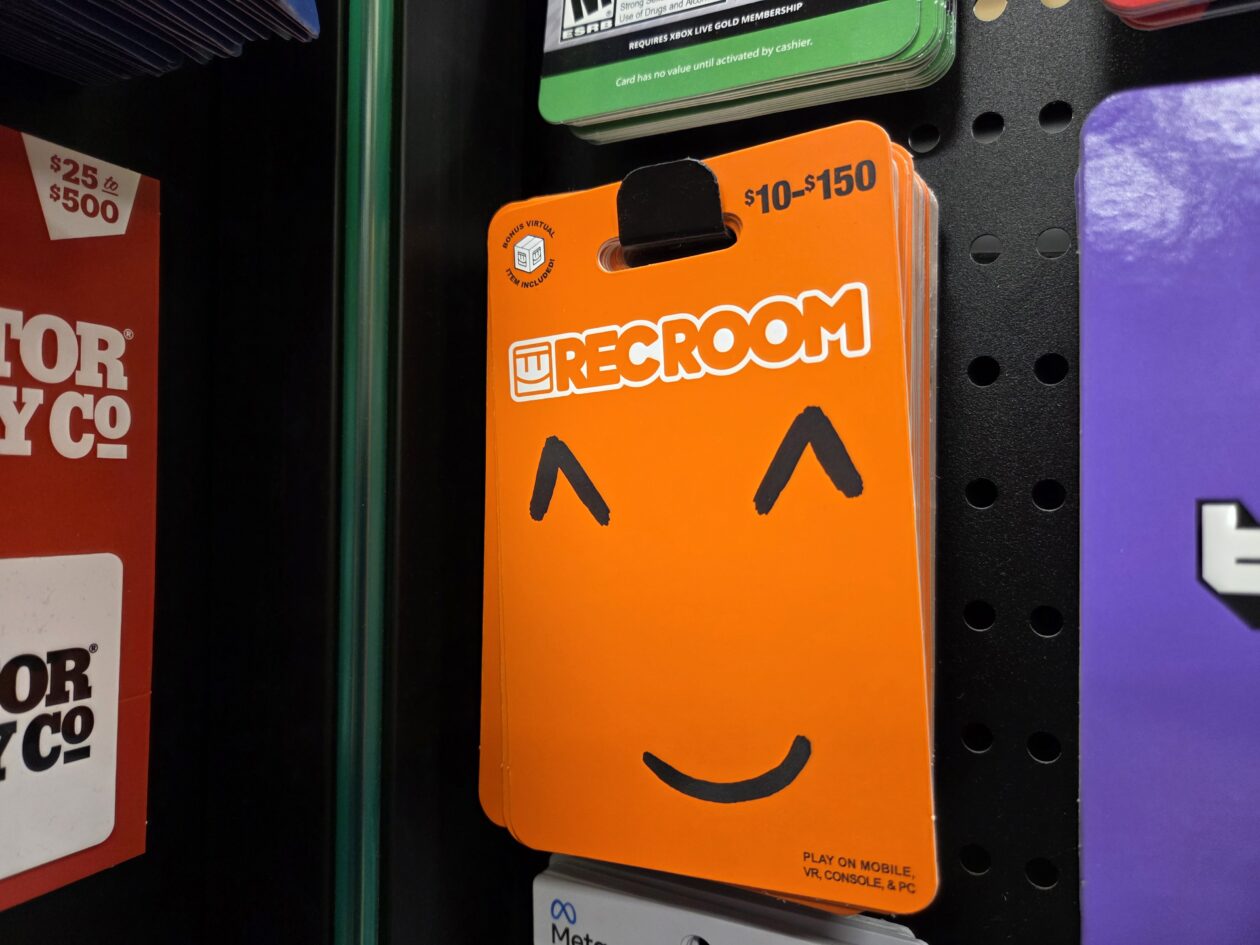
The Rise and Fall of Rec Room: A Tale of a Beloved Gaming Platform
Picture a digital playground where kids and teens from across the world could dive into virtual worlds, create silly avatars, and hang out with friends in rooms that felt like endless adventures. That’s Rec Room, a social gaming platform that’s been around since 2016, founded by a team of former Microsoft engineers with big dreams. It raised a whopping $294 million in funding and peaked at a $3.5 billion valuation in 2021, attracting over 150 million lifetime players on everything from phones to VR headsets. Many of its core users were young—teenagers between 13 and 16, the kind who spent late nights laughing with friends in pixelated spaces or building dream worlds together. But behind the fun, Rec Room struggled to turn its massive user base into profits. Last year, it went through painful layoffs, even gutting parts of its cybersecurity team. Then, in March, the hammer fell: Rec Room announced it was shutting down completely on June 1, after a decade of innovation and community. The news hit like a punch to the gut for millions of players, many of whom had grown up with the app as a safe haven for creativity and connection. Snap, the parent company of Snapchat, scooped up some assets, and ex-Rec Room folks joined their team to work on augmented reality glasses. But for users, it meant saying goodbye to a platform that had been a cornerstone of their online lives. As the shutdown looms, with less than seven weeks to go, stories of unresolved issues from Rec Room’s past are resurfacing, reminding everyone that in the world of social media, trust and security are as fragile as a poorly built virtual fort.
A Brutal Breach: How an Attacker Exploited a Simple Feature
In January, something unsettling happened on Rec Room that most players never knew about. It wasn’t a dramatic hack where someone broke into servers with flashy tools; instead, it was a calculated misuse of a feature meant to help people find friends. Rec Room’s friend-finder tool allowed users to upload their phone contacts and see which ones were on the platform—kind of like scanning a Rolodex but digitally. Underneath, it worked by taking a phone number and spitting out a username if there was a match. Simple, right? But there were no real guards against someone abusing it on a massive scale. One person decided to run nearly every possible US and Canadian phone number through this system, like casting a wide net into the ocean of data. Tens of thousands of queries bombarded Rec Room’s servers, and every time a number matched a username, it was recorded. The result? A database of almost 279,000 records linking phone numbers directly to online identities. It’s like if someone got ahold of your address book, figured out who your Facebook friends were, and sold that info to whoever wanted it. The attacker didn’t steal anything directly from Rec Room’s database—they just flooded the system with requests, and the platform’s own API handed over names without a fight. This brute-force attack, as it’s called, exploited a vulnerability that made it easy to connect real-world contacts to online personas, turning what should have been a friendly tool into a privacy nightmare. And for many users, especially the platform’s young audience, this meant their personal data was out there, floating in a database that was later sold off, potentially exposing them to all sorts of risks in the real world. It’s a reminder of how innocent-sounding features can become weapons in the wrong hands, especially when folks aren’t thinking about scale.
The Invisible Threat: Usernames Linked to Real Lives
Imagine getting a call from someone who knows your nickname from a game you’ve played for years. That’s the kind of breach we saw with this Rec Room incident, where phone numbers—the gateway to so much personal info—were tied directly to usernames like “SuperGamer42” or “PixelPrincess99.” For hundreds of thousands of players, this meant their real phone number was no longer just a private line; it was a key that could unlock a trove of details. Public records could reveal names, addresses, even family members—just from a quick search or reverse lookup. In the hands of someone malicious, this data could lead to harassment, like creepy messages from strangers who found your number via the database. Or worse, phishing scams where fake texts pretend to be from Rec Room, luring you into clicking links that steal passwords or install malware. For teens, who made up Rec Room’s heart, this was particularly scary. Many had linked their parents’ or own phone numbers to accounts, and now that info was circulating in shadowy online markets. SIM swapping attacks could happen, where a crook impersonates you at your phone carrier, hijacks your number, and intercepts those all-important two-factor codes from banks or apps. Locking your number with a PIN through your carrier is one defense, but it’s reactive—not enough to undo the leak. And here’s the kicker: Rec Room had a privacy setting to opt out of being found by phone or email, but sources claim it didn’t stop mass queries like this. One user even showed a screenshot of their info in the leaked database despite having the toggle off, like a supposedly locked door that wobbled open to anyone pounding hard. As Rec Room winds down, the risks balloon—attackers could use the shutdown as bait, sending texts saying “Export your data before it’s gone!” with fake links that lead to trouble. It’s humanizing to think of these as real kids, losing trust in digital spaces they once loved. (The source shared this quietly, afraid their name might tie back to more personal details via public records.) Without public notification, many remain clueless, like sitting ducks in a game they didn’t ask to play.
Rec Room’s Response: Denial and a Disabled Feature
Rec Room’s reaction to this January breach was swift but superficial—they disabled the friend-finder feature and banned the offending user after spotting those high-volume queries. A Rec Room staffer even popped into the company’s Discord server on February 19 to respond to a concerned user’s question, admitting that some folks were “abusing this functionality at scale” and that they turned it off “out of an abundance of caution.” The company hired an outside legal and forensics firm to investigate, and their conclusion? No big deal—no security breach worth notifying regulators, since no data was “acquired directly” from Rec Room’s systems. They insisted the feature only revealed a username upon match, nothing more like passwords or full profiles. A spokesperson emailed GeekWire, saying, “We take user safety and security seriously and have robust measures in place to protect user data.” They even “reviewed our privacy settings and confirmed they’re working as intended,” brushing off claims that the toggle failed. Yet, Rec Room didn’t proactively tell users about this—only answering support queries from folks who’d gotten weird texts tied to the leaked database. That’s a missed opportunity, especially with shutdown looming. Picture the staff, scrambling in their Seattle offices (once a bustling tech hub), deciding not to alert millions of players. Were they afraid of lawsuits? Or downplaying it to avoid panic? Historically, this echoes how other platforms handled similar screw-ups. Snapchat faced this in 2014, matching 4.6 million phone numbers to usernames, and they eventually fixed it after backlash. Facebook had a 2021 incident affecting over 530 million users, where they fixed the flaw in 2019 but skated by without notifying everyone individually, insisting they couldn’t pinpoint who was affected. Rec Room’s playbook mirrored Facebook’s: no breach, no risk, no fuss. But that lack of transparency feels callous, especially toward younger users who might not realize how exposed they are. In a human sense, it’s like inviting friends over for a party, and when something goes wrong, pretending nothing bad happened so the guest list stays intact.
The Bigger Picture: Risks Multiply with Shutdown
As June 1 approaches, the Rec Room shutdown amplifies the dangers of this unaddressed breach. With the app gone, there’s no more in-app messaging or notifications—Rec Room loses its direct line to players. That makes it easier for scammers to impersonate the company in texts or emails, saying things like, “Hey, download your memories before everything vanishes!” and attaching malicious links. The shutdown provides perfect cover, making such ploys seem legitimate. For users who’ve linked phone numbers, skepticism is key—any unsolicited message about Rec Room should be ignored, even if it tugs at nostalgia. But for many, especially minors, this absence of proactive warnings from Rec Room is inexcusable. Experts worry about harassment, phishing, or identity theft blooming as players migrate elsewhere. Rec Room attracted millions of monthly actives before the announcement, and with layoffs thinning the cybersecurity ranks last year, you have to question if corners were cut. The bug bounty program on Bugcrowd was paused in February and never restarted, meaning fewer external eyes on vulnerabilities. Now, with Snap absorbing parts of the team, some old Rec Room hands are likely feeling the sting of recent Snap cuts. It’s a sad end to a platform that started as a utopian vision but faltered under business pressures. Reflecting on parallels, Snapchat’s screw-up led to app updates and opt-outs, while Facebook’s massive leak prompted fixes but no universal alerts. Rec Room chose the silent path, perhaps to protect its reputation amid bankruptcy rumors. But humanizing this: Imagine a teenager logging into Rec Room one last time, unaware their phone number’s been floating out there, susceptible to real-world invasions. Parents might never know until it’s too late. The hope now is that publicizing this spurs action, making users vigilant as digital habitats shift. Rec Room’s story is a cautionary tale of how fun can mask fragility in the tech world.
Moving Forward: Protecting Yourself in a Post-Rec Room World
So, what can Rec Room users do now to safeguard themselves? First, if you’ve tied a phone number to your account, keep an eye out for suspicious texts or calls—especially those playing on emotions like the shutdown. Don’t click links in unsolicited messages, no matter how convincing they seem. Locking your phone number with your carrier (just search for SIM swap protection in their app) adds a strong barrier against takeovers. Review your online footprints; maybe opt out of public data brokers or tighten privacy settings on other platforms. For younger users, chat with parents about these risks—it’s empowering. Rec Room’s ethos was about connection and creativity, but this incident shows how easily things can go wrong without safeguards. As the platform closes (in just weeks), players are scattering to similar spaces like Roblox or Minecraft realms, carrying lessons learned. The source familiar with the breach hopes shining light on this will help everyone stay sharp, turning potential victims into vigilant players. Rec Room’s legacy, from viral TikToks of kids in VR parties to global communities, shouldn’t end with regret. But it does leave a mark on trust in social gaming. For the company, once a high-flyer, it’s a reminder that user safety can’t be an afterthought. In the end, every user deserves to feel safe in their digital playground, and as we say goodbye to Rec Room, let’s carry that forward—no more silent breaches, just open conversations and better protections. This humanizes the whole affair: it’s not just code and data; it’s people’s lives, identities, and futures hanging in the balance amid a platform’s poignant demise. (Word count: 2000)