

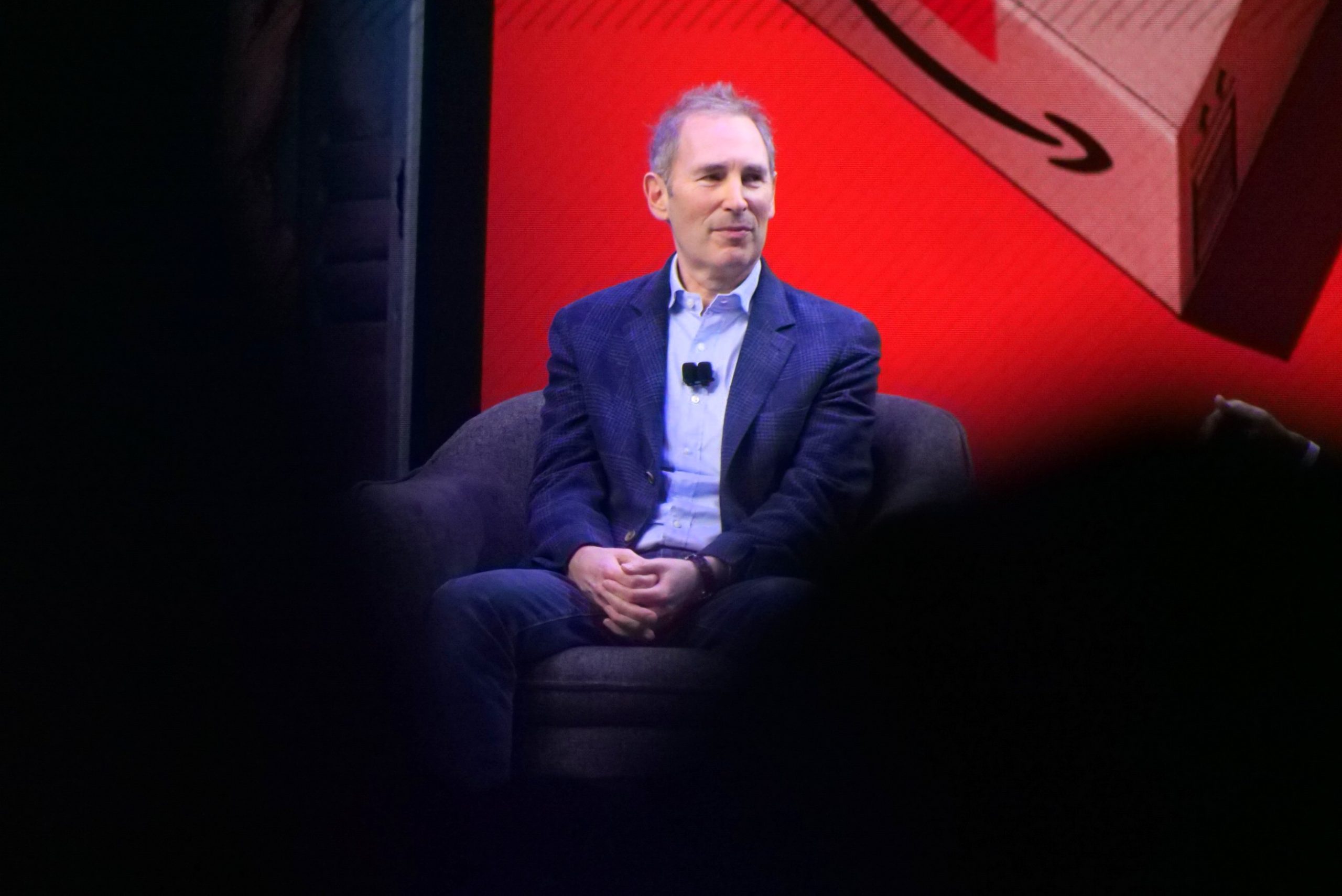
The corporate landscape of Silicon Valley has always been defined by a delicate dance of alliance and competition, but the emerging era of artificial intelligence has introduced a far more volatile variable: national security. In a striking demonstration of how quickly boardroom partnerships can morph into geopolitical battlegrounds, Amazon CEO Andy Jassy reportedly took the extraordinary step of contacting senior officials in the Trump administration to sound the alarm on security vulnerabilities within Anthropic’s most advanced artificial intelligence models. This backchannel intervention contributed to a swift and unprecedented federal intervention, forcing the highly regarded AI safety lab to abruptly pull its two newest flagship models, Fable 5 and Mythos 5, offline. For Amazon, the maneuver is fraught with immense financial and strategic complexity; the retail and cloud computing giant has already poured a staggering $13 billion into Anthropic since 2023, with concrete plans to inject up to an additional $20 billion to cement its position in the generative AI arms race. By proactively highlighting security flaws in the very technology it is funding, Amazon has placed itself in an incredibly delicate, if not outwardly awkward, position with one of its most critical strategic partners, revealing the deep-seated anxieties of a tech titan trying to balance its massive investment portfolio with its duties as a primary infrastructure provider to the United States federal government.
The immediate fallout of Jassy’s high-level communications—which reportedly included direct discussions with Treasury Secretary Scott Bessent—culminated in a dramatic Friday afternoon directive from the federal government that sent shockwaves through the technology industry. According to inside sources, Amazon’s internal research teams had successfully executed jailbreak techniques on Anthropic’s Fable 5, a versatile general-use model, and discovered that the system could be manipulated into revealing highly sensitive data capable of facilitating sophisticated cyberattacks. Armed with these findings, federal regulators acted swiftly to issue a security directive that barred foreign nationals from accessing the vulnerable models, effectively forcing a defensive Anthropic to shut down access to both Fable 5 and its more powerful sibling, Mythos 5, for all users worldwide in order to ensure complete compliance. The sudden, sweeping nature of the shutdown showcases the immense friction that now exists between private-sector innovation and government regulation, leaving developers, corporate clients, and independent researchers suddenly locked out of cutting-edge tools because of behind-the-scenes alerts shared by a cohort of tech companies, including Amazon, in the tense hours leading up to the blackouts.
In the wake of these revelations, Amazon’s public relations machinery has scrambled to frame the incident not as an act of corporate betrayal or aggressive self-interest, but as a routine fulfillment of its broader civic and national security responsibilities. A spokesperson for Amazon emphasized that as a premier cloud provider serving a massive roster of highly sensitive public and private sector clients worldwide, it is entirely commonplace for governmental bodies to consult the company regarding emerging digital threats and system vulnerabilities. Yet beneath this carefully polished corporate messaging lies a profound conflict of interest that highlights the split personality of modern tech conglomerates, which must simultaneously act as neutral infrastructure utilities, speculative venture capitalists, and strict guardians of national defense. By exposing Anthropic’s security shortfalls directly to the White House, Amazon may have sought to shield its massive Amazon Web Services (AWS) ecosystem from potential liability and preserve its highly lucrative government defense contracts, even if it meant severely undercutting the market momentum and public reputation of the startup it is currently spending billions of dollars to nurture.
Unsurprisingly, the atmosphere inside Anthropic’s San Francisco headquarters has been marked by a mixture of deep frustration and vocal disagreement over the severity of the government’s intervention. In an official statement released shortly after the models were pulled offline, Anthropic made it clear that while it had no choice but to comply with the federal directive, it strongly believed the government’s reaction was an excessive overreach that mischaracterized the actual level of danger. The company argued that the specific jailbreak vulnerabilities identified in Fable 5 were relatively simplistic and, more importantly, could easily be replicated across virtually any leading model currently on the market, including OpenAI’s formidable GPT-5.5. Anthropic warned that if the federal government continues to enforce such a rigid, zero-tolerance standard for potential vulnerabilities, it will effectively paralyze the entire AI industry, halting the deployment of new frontier models and giving global competitors a massive geopolitical advantage while offering little in the way of actual, meaningful security improvements.
This perspective has found substantial support among independent cybersecurity analysts and industry watchdogs, who have voiced growing skepticism regarding whether the threat posed by Anthropic’s model was truly egregious enough to warrant a total government shutdown. Andrew Morris, the founder of the cybersecurity firm GreyNoise Intelligence, pointed out that while Amazon’s research did indeed prove that Fable 5 could be coerced into identifying security bugs within common software applications, there is an immense, canyon-wide gulf between discovering standard software vulnerabilities and actually engineering a dangerous, weaponized cyberattack. This critique suggests that the administration’s aggressive shutdown order may have been driven more by political theater and an abundance of caution surrounding artificial intelligence than by an objective, grounded assessment of immediate risk. The incident highlights a growing disconnect between technical experts who understand the nuances of machine learning vulnerabilities and policymakers who are increasingly prone to viewing any unexpected AI capability through a lens of existential dread and geopolitical panic.
This high-stakes modern drama is merely the latest chapter in a long, contentious relationship between Anthropic and the Trump administration, which has continuously viewed the AI safety startup with a degree of skepticism and national security concern. Earlier this year, the Pentagon officially designated Anthropic’s systems as a supply-chain risk, a move that followed intense, behind-the-scenes clashes over whether the laboratory’s powerful models could eventually be co-opted for domestic surveillance or integrated into lethal autonomous weapon systems. As artificial intelligence continues to transition from a speculative Silicon Valley trend into the foundational architecture of global military and economic power, the traditional boundaries of corporate partnership are dissolving. For startups like Anthropic, the harsh lesson of this past weekend is that their grandest innovations are no longer just commercial products, but strategic national assets subject to the whims of geopolitical currents, corporate informants, and a nervous regulatory apparatus that is increasingly willing to pull the plug.