





For millions of American sports fans, the voice of Tony Romo is synonymous with autumn afternoons, comfortable living rooms, and the high-octane drama of the National Football League. Since retiring from his duties as the quarterback of the Dallas Cowboys, Romo has transitioned effortlessly into the role of a beloved public figure, welcoming us into his world of sports insight with a charming, enthusiastic cadence that makes him feel like an old friend. However, the carefully polished narrative of the charismatic television broadcaster was momentarily shattered on a quiet Wisconsin roadside last week, reminding us of the modern reality that even our most celebrated cultural icons are ultimately bound by the same fragile humanity, rules, and vulnerabilities as the rest of society. The news broke like a sudden thunderstorm when law enforcement officials confirmed that Romo had been arrested and cited for operating a motor vehicle while intoxicated, a sobering reminder of how quickly a life lived in the golden spotlight can find itself cast into the stark, unforgiving glow of flashing blue and red police lights. The detailed citations, later obtained and published, painted a stark and human picture of the incident, revealing that the former gridiron star was also charged with possessing an open container of alcohol in his car—specifically, an open bottle observed warming on the passenger side of his 2020 Jeep as it sat waiting to be towed away—alongside a separate citation for making an unsafe passing maneuver on the right side of the road.
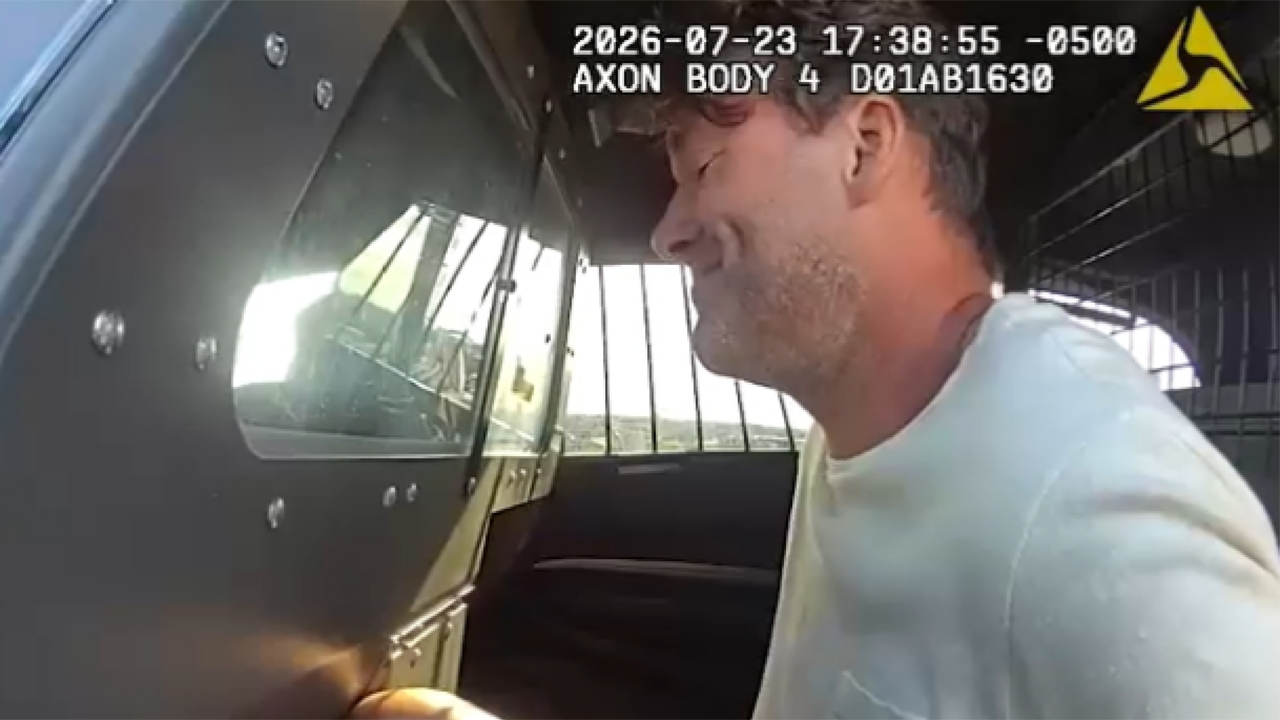
The immediate aftermath of the arrest has been made painfully public through the release of law enforcement bodycam footage, offering an incredibly raw and intimate look at a high-profile figure caught in a moment of deep personal crisis and confusion. In the video, we witness the classic psychological tug-of-war that occurs when a celebrated individual is suddenly stripped of their cultural armor and forced to interact with the world as a regular citizen on a dark highway shoulder. Romo is seen trying to process the gravity of the situation, defending himself by pointing out that he had just finished an exhausting day at a local golf course and repeatedly insisting to the state trooper that he had consumed absolutely “zero” drinks before getting behind the wheel. The anxiety of the moment becomes palpable as Romo, perhaps anticipating the media firestorm that would inevitably follow, takes out his own smartphone and begins recording the interaction himself, trying desperately to regain some sense of control over his own narrative by placing the phone on the trunk of his car with the lens pointed directly at him. Despite his protests, the arresting officer noted the classic physical markers of intoxication, reporting that the former athlete had red, glassy eyes and that the distinct odor of alcohol was heavy on his breath. After being transported to a nearby police station for field sobriety testing, Romo ultimately refused to submit to a chemical breath test, telling the officer with a mixture of caution and exhaustion, “I’ve heard from all the lawyers don’t ever do that,” a decision that highlights the tense, protective instincts of a celebrity trying to protect himself from legal jeopardy.
For Romo, the setting of this unfortunate incident was directly tied to his deepest post-retirement passion: the game of golf, a sport that has long served as an emotional sanctuary and a competitive outlet for former professional athletes who struggle to replace the adrenaline rush of the gridiron. He had spent the preceding days competing quietly in the Wisconsin Amateur Golf Championship, finding peace on the meticulously manicured greens, far away from the noisy television studios of New York and the intense pressures of his broadcasting career. This arrest, however, has cast a long shadow over his athletic endeavors, forcing him to instantly withdraw from the upcoming and highly anticipated M&P Group Texas State Open, a tournament where he was scheduled to play in front of an adoring home crowd. The sudden withdrawal is a quiet tragedy of its own, symbolizing the immediate and disruptive consequences that a single night’s poor judgment can have on a person’s life, career, and relationships. Rather than focusing on his swing, analyzing putts, and enjoying the camaraderie of his fellow golfers, Romo must now pivot his attention to defense attorneys, court dates, and the internal work of reflecting on the decisions that led him to that Wisconsin roadside.
To fully understand the public’s complex reaction to Romo’s arrest, one must look back at his legendary, turbulent career as the starting quarterback for the Dallas Cowboys, a position often described as one of the most heavily scrutinized jobs in American sports. Romo’s journey was the quintessential underdog story; undrafted out of Eastern Illinois University, he clawed his way up the depth chart to become the leader of “America’s Team,” earning four Pro Bowl selections and passing for a staggering 34,183 yards and 248 touchdowns during his illustrious career. Yet, his time on the field was also defined by an intense, almost tragic duality, where his spectacular regular-season performances were constantly overshadowed by heartbreaking playoff failures. His playing legacy is forever intertwined with the painful memory of the 2006 wild-card playoff game against the Seattle Seahawks, where he famously dropped a late-game snap for a potential game-winning field goal, a moment of profound vulnerability that cemented his reputation as a brilliant player haunted by bad luck. Having lived through such high-stakes triumphs and agonizingly public defeats, Romo has spent his entire adult life in a crucible of public judgment, learning to carry both the immense adoration and the crushing criticisms of millions of strangers with a resilient smile.
It was this very resilience and easygoing nature that made his transition to CBS Sports in 2017 such an unprecedented success story, elevating him from a retired athlete into a true pop-culture phenomenon of the television era. Working alongside the legendary play-by-play announcer Jim Nantz, Romo revolutionized sports broadcasting with his infectious energy, his child-like enthusiasm for the game, and his uncanny, almost supernatural ability to predict plays before they actually happened on the field. This unique analytical talent quickly earned him a massive, multi-million-dollar contract and established him as the gold standard of NFL color commentators, a position that has seen him call three Super Bowls, including the dramatic and historic overtime victory of the Kansas City Chiefs in 2024. In the broadcast booth, Romo is a master of quick thinking and clear communication, but this arrest presents a quiet, deeply personal crisis that cannot be resolved with a clever quip or an expert prediction. The silence emanating from Romo’s camp in the days following the incident speaks volumes, illustrating the difficult transition from a public figure who speaks to millions of people every week to a private individual who must undergo the quiet, humbling process of addressing his own personal mistakes.
As Tony Romo prepares for his scheduled court appearance on September 21st, the sports world and the public at large are left to grapple with the uncomfortable reminder that our heroes are, at the end of the day, just like us—prone to poor judgment, error, and the painful consequences of their actions. This entire ordeal is a deeply human story about the fragility of reputation and the fast-paced nature of modern life, where a lifetime of hard work, talent, and public goodwill can be challenged in the span of a single traffic stop. As the legal process unfolds and the public conversation continues to swirl on sports networks and social media platforms, the hope is that this incident serves not as a moment of permanent ruin, but as a constructive turning point for a man who has brought so much joy to so many people over the years. Ultimately, Romo’s life has always been defined by his ability to bounce back from difficult drops, heartbreaking losses, and intense public scrutiny. How he chooses to navigate this quiet, humbling chapter of his life—with accountability, reflection, and grace—will ultimately reveal far more about his true character than any touchdown pass or television broadcast ever could.