





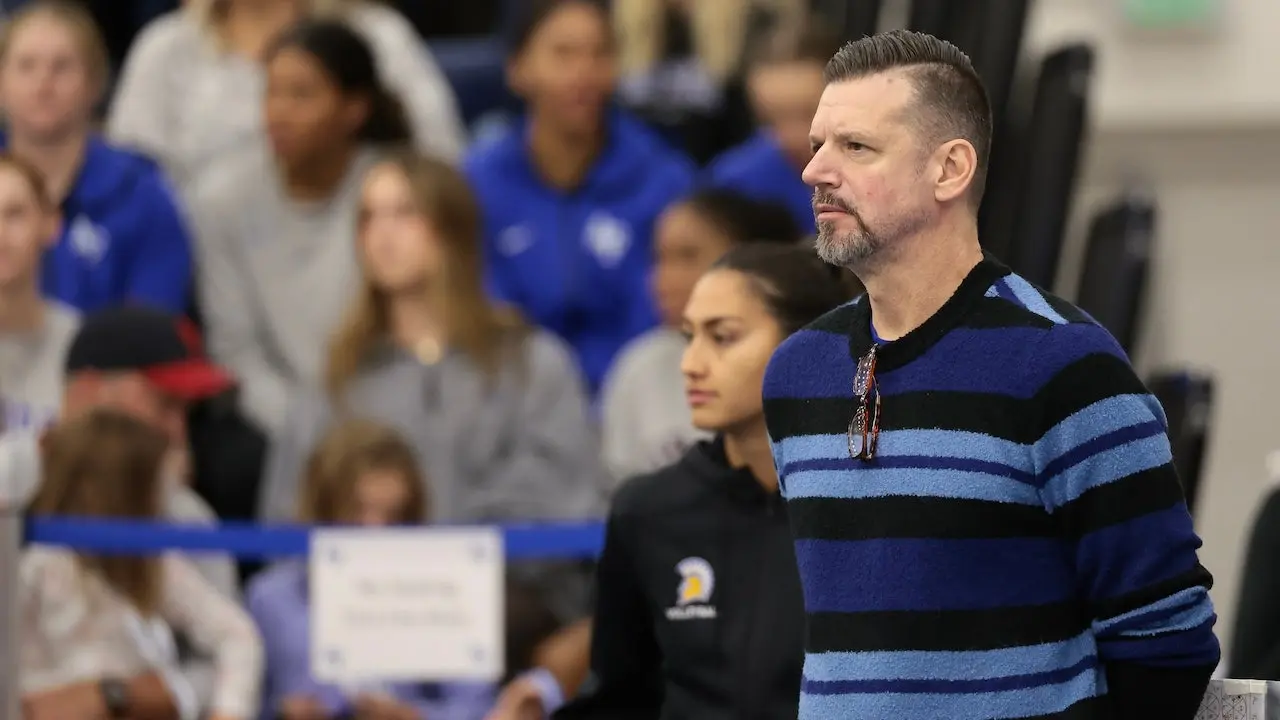
For decades, the silent burden of trauma has weighed heavily on a former Fairfield University volleyball player, whose quiet suffering was thrust back into the spotlight by the chaotic events of the 2024 collegiate volleyball season. This survivor, choosing to speak anonymously to protect her peace while seeking justice, recently broke her silence to reveal a haunting reality: San Jose State University (SJSU) was warned about the alleged abusive, predatory, and manipulative tendencies of their head coach, Todd Kress, as early as October 2024. Amidst an already highly publicized and deeply polarized season involving transgender athlete Blaire Fleming and whistleblower Brooke Slusser, this courageous woman decided to step forward. She was not motivated by a desire for media sensationalism or personal fame; rather, she was moved to tears and action after reading public accounts of current SJSU players describing Kress’s intimidating, coercive, and gaslighting behavior. Recognizing the familiar, toxic patterns of a man who had allegedly derailed her own youth, she felt a profound, moral obligation to warn the university administration, hoping they would intervene to protect the next generation of collegiate female athletes from suffering a similar fate.
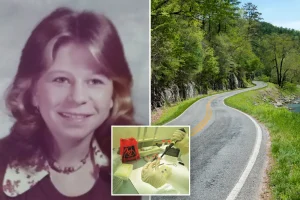
The harrowing details of her 1998 encounter with Todd Kress paint a chilling picture of an abuse of power that occurred in a hotel room following Fairfield University’s loss to Clemson in the first round of the NCAA Tournament. According to her detailed letters, Kress allegedly subjected the young athlete to a bizarre, degrading, and physically aggressive assault that left her traumatized and disoriented. The account describes Kress smearing caramel from a plastic container across her face and in her hair, forcibly throwing her onto a bed, holding her down, exposing himself in a highly humiliating manner, and later dragging her into a bathtub while threatening to douse her with water. It was a terrifying display of assertiveness disguised as twisted locker-room hazing, which culminated in Kress blocking the door and forcing her to consume alcohol before she could escape his clutches. Decades later, the emotional scars of this event remain raw, and the survivor’s vivid recollection details not only the physical violation but also the psychological paralysis of a young athlete trapped by the absolute authority of a coach who faced no immediate professional consequences.
Despite the gravity of these accusations and the formal documentation submitted to both SJSU and Fairfield University, the institutional response has been characterized by a disheartening combination of bureaucratic apathy and public avoidance. While private communications obtained through independent, verified sources show that SJSU’s Title IX coordinators acknowledged her letter, met with her, and even offered explicit apologies for her painful past experiences, the university’s public actions stood in stark contrast to their private expressions of sympathy. Rather than suspending or even temporarily reassessing Kress’s role on the team, SJSU administration kept current players, such as Brooke Slusser, entirely in the dark, allowing Kress to continue coaching, traveling, and recruiting without interruption. This calculated silence left the current roster vulnerable and unaware, exemplifying a systemic failure where institutions choose to manage their public image rather than prioritize the safety and transparency promised to student-athletes.
To further protect themselves and their head coach from public scrutiny, SJSU administrators deployed a wall of legalistic defense mechanisms, dodging public transparency and heavily censoring public records requests. When investigative journalists sought access to emails and documents regarding the university’s internal investigation into Kress, SJSU’s public records office denied the requests by citing “privacy exemptions,” “personnel records,” and “attorney-client privilege.” This strategic use of legal loopholes to keep the public and the student body from discovering the truth about a sitting head coach highlights a deep-seated institutional hypocrisy. By arguing that the “privacy” of the accused and the legal machinery of the university outweighed the public’s right to know, the university effectively shut down any hope of external accountability, leaving the survivor’s brave disclosures buried beneath layers of red tape while Kress continued to post celebratory recruitment updates on social media.
This individual tragedy unfolded against the backdrop of a larger, systemic crisis within the SJSU volleyball program, where administrative self-preservation was repeatedly prioritized over athlete welfare. A federal Title IX investigation by the Department of Education recently revealed that SJSU chose not to suspend Kress during the height of the 2024 season specifically because university officials, including the president, feared that doing so would “spark more media attention” and “unduly disrupt the team.” Meanwhile, other figures who spoke up on behalf of the female athletes, such as associate head coach Melissa Batie-Smoose, were quickly suspended and shut out of the program, leading to wrongful termination lawsuits. This environment of retaliation and image-conscious decision-making demonstrates how deeply embedded the culture of silence is within collegiate athletics, where whistleblowers are marginalized while those accused of severe misconduct are shielded to maintain institutional normalcy and avoid public relations disasters.
In the end, the courageous decision of this former Fairfield University player to come forward serves as a sobering answer to the persistent, often victim-blaming question of why survivors of abuse hesitate to speak out against powerful figures. The response she received—characterized by administrative denials, systemic concealment, and the continued professional elevation of her alleged abuser—shows exactly why victims fear the system. Despite her disappointment with the university’s reaction, her selfless motivation remains a powerful testament to her character: she sought no public stage, only a safeguard for the young women navigating the high-pressure world of collegiate sports today. As Kress, SJSU, the California State University system, and Fairfield University continue their collective silence, her story stands as an urgent reminder of the desperate need to dismantle the protective legal shields surrounding abusive mentors and to finally put the physical and emotional safety of student-athletes ahead of institutional reputations.