





The 2025 Major League Baseball trade deadline wasn’t merely a date on the calendar for the Minnesota Twins; it was the catalytic force that dismantled one era and ignited the spark of another. In a whirlwind of transactions that felt less like surgical mid-season adjustments and more like a deliberate, strategic implosion, the front office made a resounding declaration of intent. They systematically unloaded a significant portion of the veteran core that had formed the spine of the franchise for the past several seasons, trading away established bats and reliable arms for a return of prospects, payroll flexibility, and, crucially, a clear runway for the club’s top-tier assets. The immediate fallout is visible in the standings, where the Twins sit a daunting six and a half games behind the first-place Chicago White Sox in the American League Central. But the organization has effectively conceded that the 2025 standings are secondary to a much grander vision. The silence left by the departed veterans echoes through the clubhouse, but it is quickly being filled by the nervous, electric chatter of a youth movement in full swing. This transition is an emotional crucible for the loyal fanbase at Target Field; there is a bittersweet ache in watching beloved players leave, juxtaposed against the exhilarating, almost dizzying thrill of watching a future unfold in real-time. The goalposts have shifted dramatically. Wins are no longer the primary metric of success; instead, the focus rests on plate appearances, defensive reads, and the accumulation of big-league experience. The Twins have embraced a philosophy of short-term pain for long-term gain, understanding that the only way to reach the summit in an increasingly competitive division is to first endure the steep climb of growth, trusting that the bruises of 2025 will harden into the resilience required for the pennant races of the coming decade.
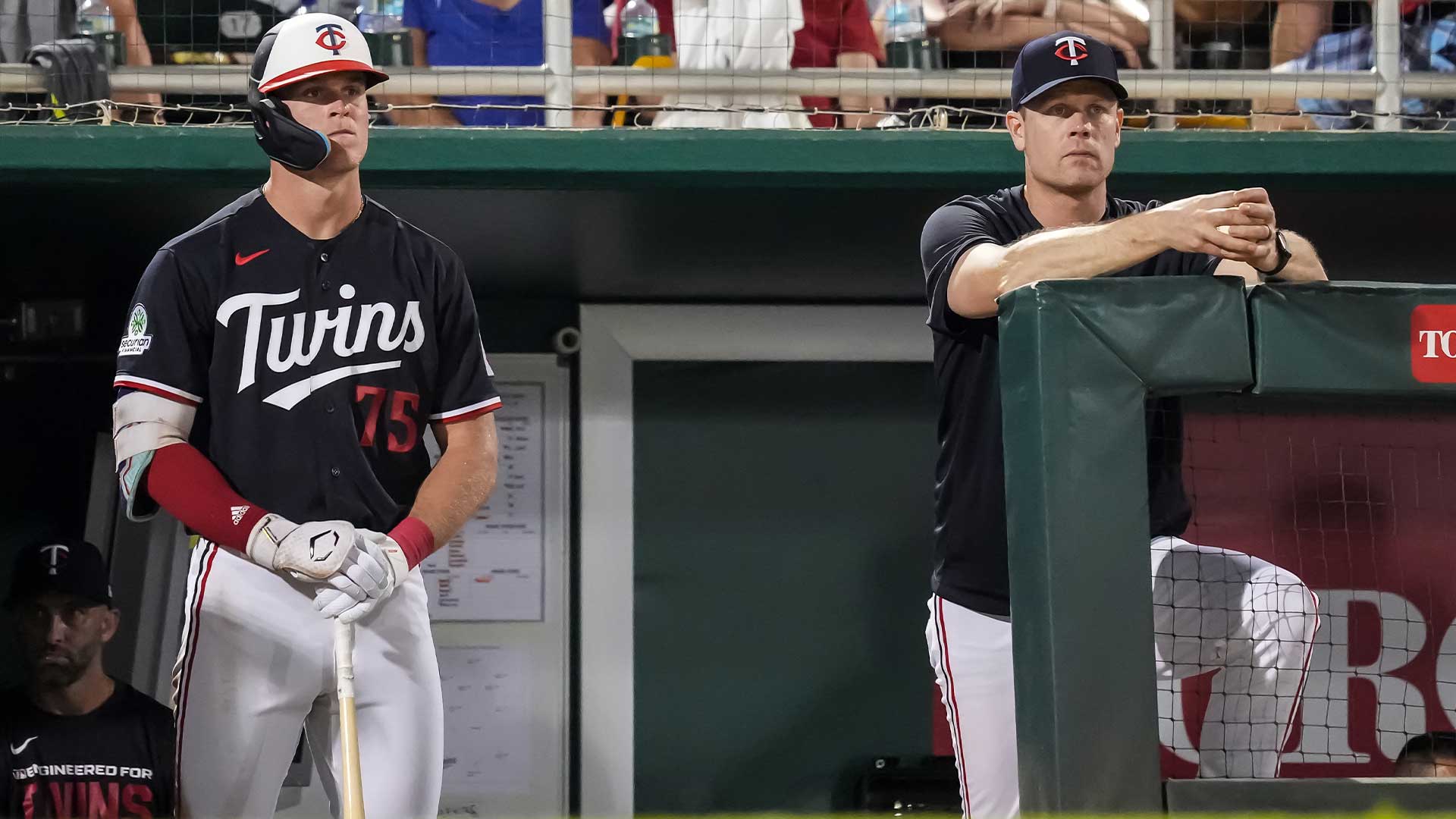
At the epicenter of this seismic shift stands a 6-foot-3 outfielder whose arrival has instantly become the brightest beacon of hope for the entire organization: Walker Jenkins. Selected with the fifth overall pick in the 2023 MLB Draft out of South Brunswick High School in North Carolina, Jenkins was heralded as arguably the finest prep hitting talent of his class, a designation he has spent the past two years validating with consistent, authoritative production in the minor leagues. His promotion, announced in tandem with the recent call-up of infielder Kaelon Culpepper, solidifies the Twins’ steadfast commitment to rolling the dice on their most precious assets rather than letting them languish in the shadows of Triple-A. Jenkins is not just another player on the roster; he is the crown jewel of a carefully cultivated farm system, occupying the definitive number one spot in the Twins’ organizational rankings and a gaudy 15th on the prestigious MLB Pipeline Top 100 prospects list. When he strides to the plate for his debut on Friday night, he will be carrying the immense weight of expectation—a weight that would crush lesser men—yet his journey from a raw high school slugger to a polished professional has been defined by a remarkable maturity that suggests he is ready for the spotlight. The scouting reports paint a portrait of a prototypical five-tool outfielder: he possesses the raw physical frame that promises middle-of-the-order power, yet he moves with a grace and fluidity that allows him to cover the gaps in the outfield with ease. His humility in interviews and his relentless work ethic have endeared him to coaches and teammates alike, but it is his innate baseball intelligence that truly separates him from the crowd. For the Twins’ management, the decision to call him up now—rather than waiting for the fabled September roster expansions—is a powerful statement of intent, a declaration that they believe he is not merely a future prospect, but a foundational cornerstone of their next great team.
The statistical foundation of Jenkins’s rapid ascent is nothing short of imposing, providing tangible evidence that the hype surrounding him is thoroughly justified and not merely the product of organizational cheerleading. Across 265 career minor league games and 997 at-bats, the young outfielder has constructed a resume that elegantly blends contact hitting with emerging raw power and impressive baserunning instincts. His career batting average sits at a sterling .303, a figure that speaks to a disciplined, line-drive-oriented approach that rarely sells out for pure power at the expense of consistency or a high on-base percentage. However, the power is most certainly present and developing, as evidenced by his 33 home runs and an impressive 145 runs batted in—numbers that indicate he is fully capable of driving the ball to all fields with authoritative force. What might be most tantalizing to the Twins’ coaching staff is his underrated athleticism; his 57 stolen bases demonstrate a savvy on the basepaths that makes him a constant threat to disrupt the opposing pitcher’s rhythm and turn singles into doubles. The lone blemish on the statistical ledger is the 187 strikeouts, a number that will certainly draw scrutiny from traditionalists, yet in the modern era of baseball, an acceptably high whiff rate is often the price paid for an aggressive, power-forward approach at the dish. The key lies in the proportionality of his game; for every strikeout, there is a hit, a walk, or a stolen base that compensates for the swing-and-miss. He is not a chaotic free-swinger; rather, his strikeouts often stem from attacking good pitches and occasionally being beat by superior stuff—a learning curve that will flatten as he gains invaluable experience against big-league arms. As he ascends to the majors, the transition from facing Double-A or Triple-A pitchers to the nightly gauntlet of veteran aces will be the ultimate test of his adaptability, but if his minor league track record is any indication, Jenkins possesses the pitch recognition and mental fortitude to adjust quickly and turn these numbers into a launching pad for a long, prosperous career.
In joining the big-league roster, Walker Jenkins steps into a revered lineage of high-profile Minnesota Twins draft picks, a history that carries both inspiring precedent and cautionary tales that will inevitably shape his experience. He becomes the latest in a distinguished line that includes the explosive outfielder Byron Buxton, selected second overall in 2012, and the dynamic infielder Royce Lewis, the first overall pick in 2017. Buxton’s career has been a roller coaster of transcendent defensive highlights and devastating injuries, yet he serves as a constant reminder of the immense ceiling that comes with such elite pedigree and the fragility of that promise. Lewis, on the other hand, burst onto the scene with a playoff performance for the ages, instantly cementing his status as a beloved fan favorite and demonstrating how a top pick can galvanize an entire franchise in a single swing. For Jenkins, the weight of these comparisons is both a burden and a gift. He is expected to be the next cornerstone, the player who finally leads the Twins deep into October and beyond. He walks into a clubhouse where the culture of high expectations is already entrenched; these players know they are selected to be saviors, not just complimentary contributors. The pressure is immense—every swing analyzed, every strikeout scrutinized mercilessly against the backdrop of his draft position. But the Twins have learned valuable lessons from the past. They have witnessed how Buxton’s health can derail an entire season, and they have seen how Lewis’s charisma and clutch hitting can lift a team to new heights. Their development of Jenkins will be carefully managed, yet his promotion now suggests they believe he possesses the mental fortitude and physical resilience to avoid those previous pitfalls. He is not merely joining a ballclub; he is inheriting the mantle of hope that has been passed down from Kirby Puckett to Joe Mauer to the current guard, embodying the eternal dream of a homegrown hero leading the charge into autumn.
But Jenkins is not arriving as a lone wolf; he is merely the most prominent piece of a burgeoning, talented nucleus that promises to define the Minnesota Twins for years to come. The promotion of Kaelon Culpepper—a recent addition who has already begun to flash his defensive wizardry and offensive potential in the infield—signals that this youth movement is an orchestrated symphony, not just a solo act. Looking ahead, the organizational pipeline is stockpiled with elite talent waiting in the wings, each piece carefully placed to complement the others. The acquisition and development of Vahn Lackey, viewed as the third overall pick in the 2026 draft, and the signing of first-round infielder Marek Houston from the 2025 class, rounds out a core group that is astonishingly athletic, intelligent, and versatile. These aren’t just prospects; they are a collective wave of change designed to crash upon the shores of the American League together. Together, they represent the financial flexibility that comes with pre-arbitration contracts, allowing the front office to allocate valuable resources toward pitching depth and bullpen arms in free agency. The synergy between them is palpable on paper—Jenkins providing the presence in the outfield, Culpepper and Houston anchoring the middle infield with a blend of range and hands, and Lackey supplying raw corner power that will stretch opposing defenses. This group is being forged in the crucible of a losing season, learning the harsh lessons of big-league failure together, which often breeds a chemistry that is unattainable in the relaxed atmosphere of spring training. They are building bonds, learning each other’s tendencies, and creating a shared vocabulary of baseball that will pay exponential dividends once the wins start piling up. The Twins are essentially running a finishing school in the middle of a pennant race (or lack thereof), using the remaining games of 2025 as a laboratory for the future, betting that the collective talent of this group, when matured, will be superior to anything assembled through free agency alone.
Ultimately, the Minnesota Twins’ 2025 season is no longer about the standings—the chase for the Chicago White Sox and Cleveland Guardians in an unpredictable AL Central will have to wait. It is about the sweat equity being poured into tomorrow. The growing pains are real and undeniably palpable; there will be missed signs in the outfield, poorly executed run-downs, and strikeouts in crucial situations that will make fans groan in frustration. But those mistakes are merely the tuition fees paid for a brighter, more sustainable future. The front office’s aggressive overhaul is a public acknowledgment that the previous iteration of this team had reached its competitive ceiling, and to truly move forward, they must step back. For the fans watching from the stands in Minneapolis on a crisp summer evening, this is a season of raw, unfiltered emotion. They are witnessing the end of a familiar chapter and the beginning of a hopeful one, written in the shaky but determined handwriting of 21-year-olds. The promise of Walker Jenkins is not necessarily that he will be a perennial All-Star (though that is the fervent hope), but that he represents the refreshing possibility of a clean slate, a new reason to tune in on a nightly basis. The youth movement transforms a dreary, fallow period into a fascinating developmental exhibition, turning meaningless August games into must-watch television. Will the Twins surpass the White Sox in the standings by 2027? The analytics certainly suggest they could, given the sheer volume and quality of young talent at their disposal. But the true victory of this movement lies not in the immediate scoreboard, but in the restoring of a shared belief amongst the fanbase—a belief that the future is not something to fear, but something to actively, passionately, and impatiently await. As Jenkins steps onto the diamond for the first time, wearing the uniform with pride, the Twins are not merely losing a game or two; they are winning the battle for a long-term identity, one swing, one hit, and one developing friendship at a time.