






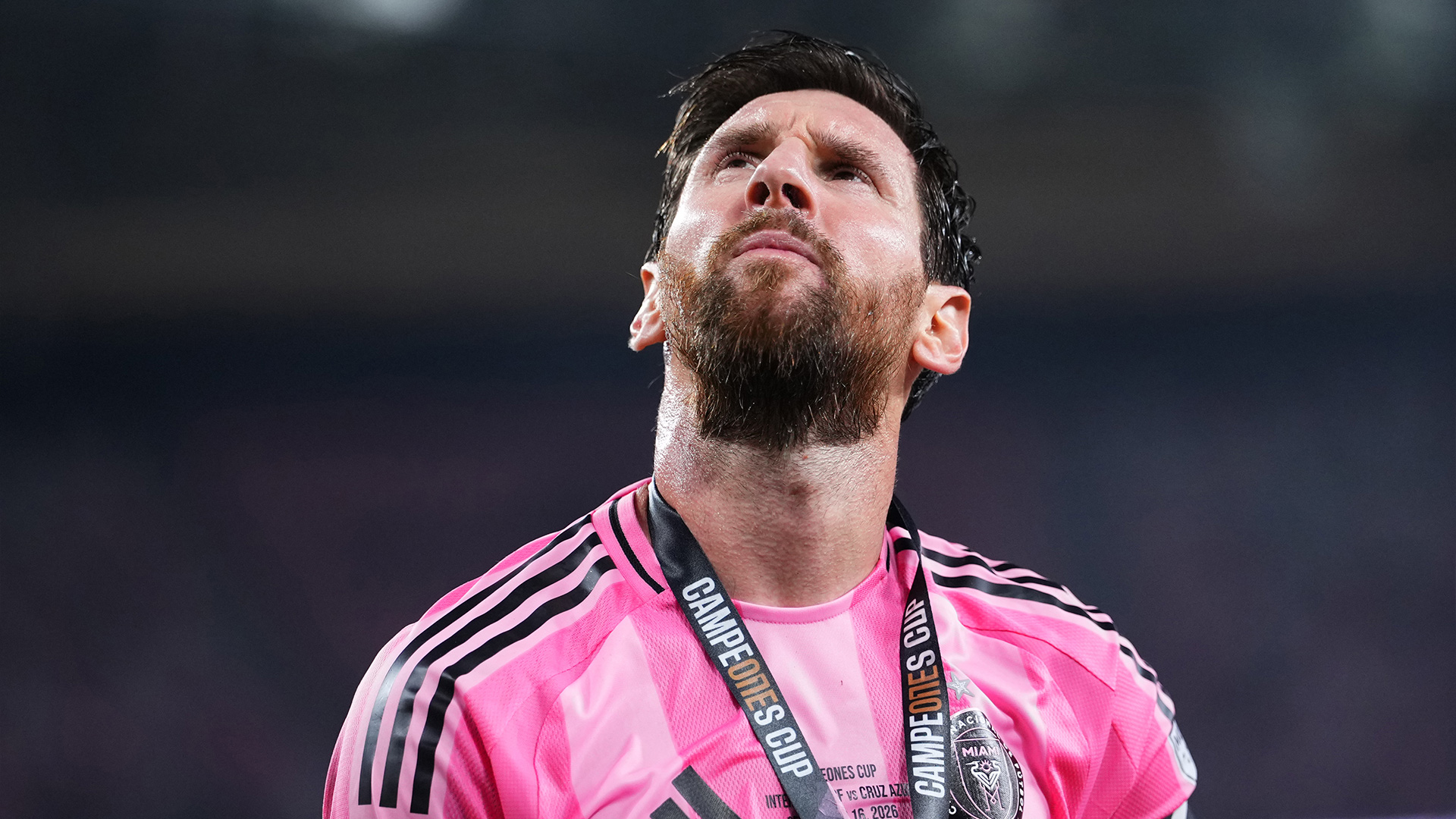
It was supposed to be a night of pure celebration for Inter Miami and its global superstar, Lionel Messi. The team had just defeated Cruz Azul 2-0 to claim the Campeones Cup, a trophy that added yet another gleaming piece of silverware to a collection already overflowing with recent success. Messi himself had scored his 100th goal for the club, a personal milestone that would normally dominate headlines and spark endless tribute articles. But as the final whistle blew and the celebrations began to wind down, something else caught the attention of cameras and fans alike. Postgame video showed Messi in a hushed but visibly intense conversation with Major League Soccer commissioner Don Garber. This was not the warm, congratulatory handshake you might expect between a league’s greatest attraction and its top executive. Instead, Messi was seen pointing his finger at Garber, not once but on multiple occasions. The body language was unmistakable—there was frustration, tension, and the kind of raw emotion that is rarely captured so clearly in the sanitized world of professional sports celebrations.
In the first clip, Messi can be seen speaking directly to Garber, his extended finger punctuating whatever point he was trying to make. After a brief exchange, Messi begins to walk away, but then turns back, pointing again, as if he needed to make sure his message had truly landed. A second video angle shows the two men facing each other, both gesturing, with Garber also raising his hand in a pointed manner as if defending himself or offering an explanation. The exact words spoken remain a mystery. The league office declined to comment on the matter, and Inter Miami did not immediately respond to requests for clarification. This silence has only fueled speculation. In the absence of an official explanation, fans and media have been left to read body language, parse grainy video, and wonder what could have prompted such a visibly heated exchange between the league’s most important player and its highest-ranking official. Was it about scheduling? Officiating? League policy? Or something more personal? At this point, no one can say for sure, but the images alone tell a story of a moment that goes far beyond simple sportsmanship.
To understand the weight of this moment, you have to remember what Messi’s arrival has meant to Major League Soccer. When he joined Inter Miami in the summer of 2023, he did not simply join a team; he transformed an entire league. Ticket sales skyrocketed, merchandise flew off shelves, and even the most casual sports fans in America began paying attention to soccer in a way they hadn’t before. The on-field results followed quickly. In 2023, Inter Miami won the Leagues Cup, giving the club its first trophy and reminding everyone that Messi’s presence was not just a marketing miracle but a competitive one. Then came the Supporters’ Shield in 2024, and in 2025, the club achieved the dream: an MLS Cup championship. Now, in the same season, after claiming the Campeones Cup against Cruz Azul, Miami has added yet another title to its résumé. For most players, this would be the greatest stretch of a career. For Messi, it is simply another chapter in an incomparable story. Against this backdrop, the tense exchange with Garber feels almost jarring, a sour note in what should have been an unqualified harmony of achievement.
So what could have turned a trophy-lifting evening into a moment of finger-pointing tension? Speculation has run rampant since the videos surfaced. Some observers pointed to Messi’s long-standing frustration with the league’s travel demands, especially for a player in his late thirties who has already played at the highest levels in Europe and internationally. Others suggested the conversation might have been about the playing surface, a recurring issue in MLS where games are sometimes played on artificial turf, something Messi has spoken about before. Then there are the broader structural issues: the league’s strict salary cap, its limitations on roster-building, and the ways in which teams like Inter Miami have sometimes felt constrained by rules that are designed to ensure parity but can frustrate superclubs eager to spend freely. Messi, who has always been known by teammates and coaches as a quiet, reserved figure on the pitch—someone who lets his feet do the talking—would typically be the last player you would expect to engage in a heated sideline debate with a league commissioner. That he did so, and with such visible intensity, suggests that the issue at hand was deeply important to him. It humanizes him in a way stat sheets and highlight reels cannot, reminding us that even the greatest footballers on earth are not immune to the frustrations of bureaucratic power and institutional pushback.
There is also the possibility that the exchange was not negative at all, at least not entirely. The footage shows Messi pointing and speaking emphatically, but emotion in the heat of the moment can look confrontational even when the underlying message is more complicated. Perhaps Messi was expressing displeasure about the game schedule, which forced his team to play an extra cup final in an already congested calendar. Or maybe he was voicing concerns about the league’s officiating, which has often been criticized by players and coaches as inconsistent and at times confusing. It is even possible that Garber had approached Messi first to discuss a promotional obligation, a broadcast commitment, or some league initiative, and Messi, caught up in the adrenaline of a milestone night, responded with the blunt honesty that only someone with his status and security could afford. Whatever the reason, the image of Messi pointing at Garber carries symbolic weight far beyond this single moment. It represents the growing pains of a league that is expanding rapidly, drawing larger audiences, and attracting aging legends who expect the infrastructure and respect of the European clubs they left behind. Messi is not just a player; he is a standard-bearer. When he points his finger, the entire soccer world leans in to listen.
In the end, the true meaning of the conversation may never be fully revealed. Maybe league insiders will leak a snippet in the coming weeks. Maybe a tell-all book will eventually explain it. Or maybe it will remain one of those intriguing mysteries that sports fans love to debate for years. What we do know is this: Lionel Messi remains the most dominant force Major League Soccer has ever seen. His 100 goals for Inter Miami are a testament to his enduring brilliance, and his trophy haul with the club has already exceeded the expectations of even the most optimistic supporters. The confrontation with Don Garber adds a layer of complexity to that legacy, a reminder that the relationship between athletes and league executives is never simple. It is a dance of power, money, pride, and ambition, and on that night, in the middle of a celebration, the dance steps briefly turned into an argument. For fans, it is a moment that makes Messi seem more real, more ordinary, more human. For the league, it is a reminder that even its greatest ambassador has limits. And for the sport itself, it is just another chapter in the endlessly fascinating story of how soccer came to America, how it grew, how it struggled, and how the icons who carried it forward were never just quiet figures on a podium. Sometimes, they point a finger. And sometimes, that finger says more than any trophy ever could.