




The annual opening of an NFL training camp is traditionally characterized by the rhythmic crunch of pads, the sharp whistle of coaches, and an overriding sense of collective renewal. Yet, as the San Francisco 49ers gathered to begin their march toward another season, a palpable, heavy silence hovered over the practice fields—a quiet vacuum left by the physical and emotional absence of Brandon Aiyuk. Once the dazzling, explosive heartbeat of the team’s passing game, Aiyuk has instead become a ghost in the machine, stranded on the team’s “reserve/left squad” list where he has remained since the closing months of 2025. For an elite athlete whose entire identity is forged in the crucible of competition, this bureaucratic exile is a grueling psychological test. Having sat out the entirety of last season in a bitter, protracted stalemate with the front office, Aiyuk now faces a mountain of administrative and personal hurdles just to reclaim his livelihood. To even begin the process of returning to the gridiron for the 2026 season, he will likely have to humble himself before the league office and formally petition for reinstatement. The ball remains entirely in his court, a heavy weight to carry when the simplest resolution—reporting to camp or sending a formal peace offering to the front office—feels like a surrender of his personal agency. This standoff is not just a contract dispute; it is a human drama of pride, patience, and the fragile shelf-life of an athletic prime, leaving fans and teammates to wonder if the bond between player and franchise is broken beyond repair.
To understand how this relationship fractured so completely, one must look back to the dark, painful moments of July, when the cold reality of NFL business collided head-on with the physical vulnerability of the human body. Aiyuk was already fighting a lonely, exhausting battle to rebuild his right knee after a catastrophic injury had torn his ACL, MCL, and meniscus all at once. Anyone who has ever faced major joint reconstruction knows that the recovery process is a grueling, deeply isolating mental marathon, filled with self-doubt and agonizing physical therapy. Instead of finding a supportive safety net, however, Aiyuk found himself in an escalating war of attrition with the 49ers’ organization, which culminated in the team voiding the remaining guaranteed money on his contract after he reportedly failed to participate in mandated rehabilitation sessions. This financial and emotional gut-punch transformed a standard medical recovery into an ideological battleground. To the organization, it was a matter of protecting their massive investment and enforcing strict compliance; to the player, it felt like an act of betrayal, a cold corporate calculation that stripped away his financial security at the exact moment his physical future was most uncertain. This pivotal moment shattered the foundational trust required between an athlete and his team, turning a physical rehabilitation journey into a bitter cold war that continues to cast a dark shadow over both parties.
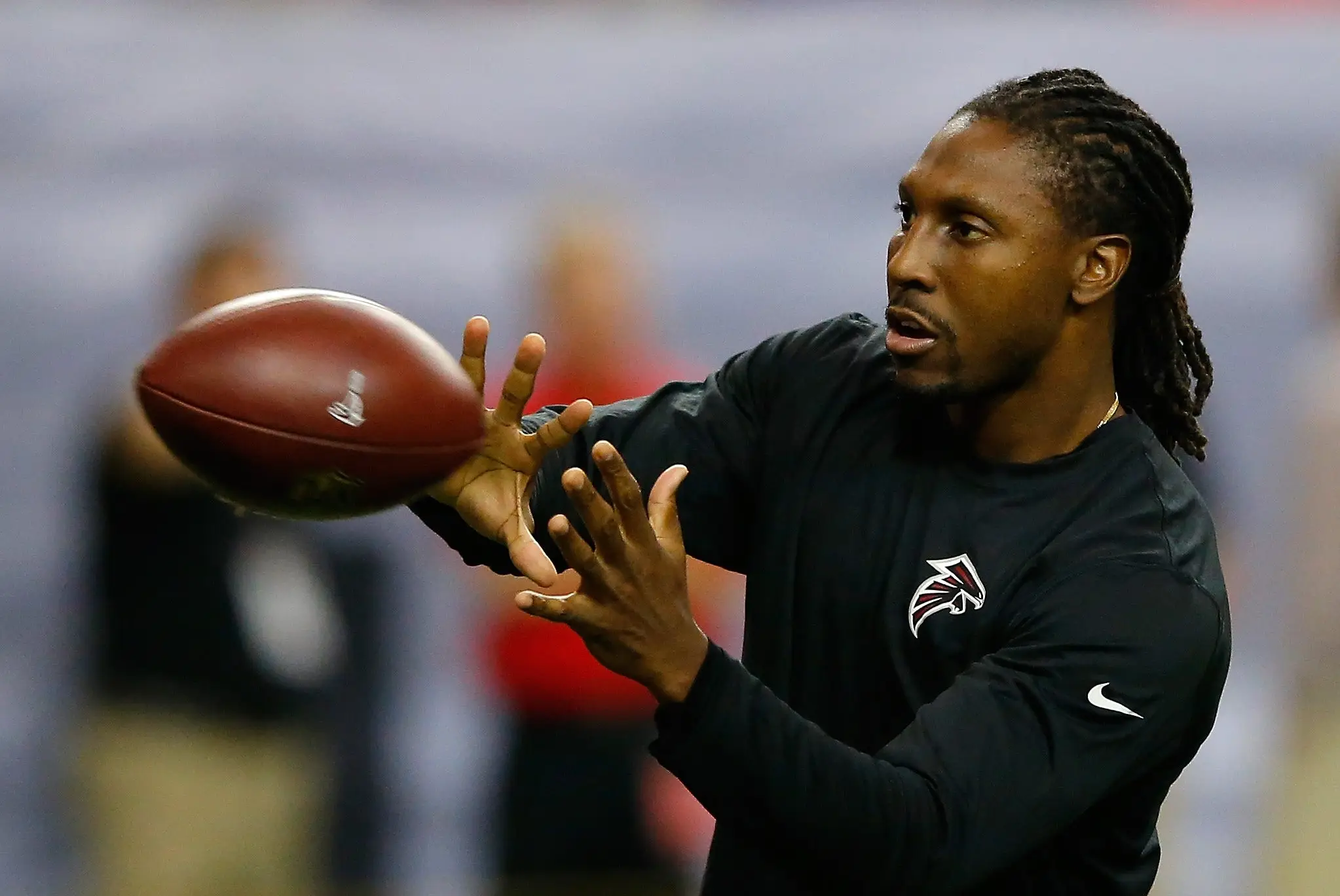
In the modern sports landscape, when an athlete feels silenced or misunderstood by his employers, social media becomes both a shield and a weapon. Aiyuk has increasingly turned to digital platforms to voice his frustrations, dropping cryptic breadcrumbs on Instagram and Twitter that keep the rumor mill churning and provide a raw, filterless window into his state of mind. This public distress signal has caught the attention of many within the football community, including former Pro Bowl wide receiver Roddy White, who stepped forward to offer a passionate defense of Aiyuk’s plight. White, who spent over a decade experiencing the physical and emotional demands of the position with the Atlanta Falcons, argued that the 49ers completely bungled the situation by failing to show basic human empathy and patience. From White’s perspective, when a franchise treats an injured, angry player with corporate rigidity rather than compassion, they do not just lose his loyalty—they destroy his trade value and ruin any chance of a mutually beneficial parting of ways. White’s critique cuts to the heart of the issue: a disgruntled athlete who feels discarded is nearly impossible to motivate, and by stripping away Aiyuk’s dignity and guaranteed money, the 49ers may have backed themselves into a corner where they can neither play him nor trade him for fair compensation.
As the bridge back to San Francisco burned, Aiyuk began looking outward for a fresh start, briefly sparking hope among fans that he might find salvation with the Washington Commanders. The allure of Washington was deeply personal, driven by the prospect of reuniting with quarterback Jayden Daniels, his former collegiate teammate from their vibrant days together at Arizona State in 2019. The connection between a wide receiver and his quarterback is built on trust, and the prospect of reviving that collegiate chemistry on the grandest stage of professional football offered Aiyuk a glimmer of hope and emotional comfort. However, the business of the NFL quickly complicated this dream, with trade talks reportedly cooling off after Aiyuk publicly called out Daniels in a moment of frustration. In a world where every social media post is scrutinized and over-analyzed, it seemed as though another bridge had been damaged, but the bond of brotherhood proved more resilient than the headlines suggested. Daniels recently stepped forward to quiet the storm, revealing that he and Aiyuk had quietly and privately resolved their issues like family, proving that beneath the performative drama of professional sports, genuine human relationships can still survive the meat-grinder of public opinion and corporate pressure.
While Aiyuk navigates his personal and professional exile, the relentless machinery of the San Francisco 49ers moves forward without him, guided by the stoic, business-first philosophy of general manager John Lynch. Speaking to reporters at the start of camp, Lynch made it abundantly clear that the organization’s focus had shifted entirely to the players who chose to show up, offering a polite but distant “wish him well” to Aiyuk and his family—a verbal shrug that signaled the team was ready to turn the page. Yet, the universe has a cruel way of disrupting even the most carefully calculated corporate plans, as evidenced by the sudden misfortune of young wideout Ricky Pearsall. Pearsall, who was poised to step into the spotlight and help fill the massive void left by Aiyuk, suffered a devastating setback when chronic swelling returned to the PCL of his right knee, forcing the team to place him on injured reserve just as camp got underway. This sudden blow forced the front office into a frantic pivot, leading to the rapid re-signing of veteran playmaker Deebo Samuel to stabilize a suddenly depleted receiving corps. This rapid sequence of events perfectly illustrates the cold, mechanical reality of the NFL: one man’s physical tragedy is instantly met with another man’s signing bonus, demonstrating to both Aiyuk and the world that in this league, human beings are ultimately treated as interchangeable parts in a larger commercial engine.
It is deeply tragic to contrast Aiyuk’s current, ghost-like existence with the glorious heights of his 2023 campaign, a magical season where he caught for 1,342 yards, earned second-team All-Pro honors, and looked like a player destined for legendary status in San Francisco. To go from the absolute pinnacle of professional achievement—hearing the roar of thousands of adoring fans—to sitting alone in physical rehab and contract limbo is a psychological descent that few can truly comprehend. As the 49ers press on with their season and Aiyuk contemplates the daunting, bureaucratic process of NFL reinstatement for 2026, his story serves as a sobering cautionary tale about the fragile nature of athletic glory. In the end, this standoff is a vivid reminder that behind the multi-billion-dollar spectacles, the fantasy stats, and the corporate branding, the NFL is composed of real human beings with pride, physical limits, and a deep-seated need to feel valued. Whether Brandon Aiyuk ever runs onto a professional football field again remains an open question, but his journey serves as a powerful testament to the emotional and physical cost of standing up to the machine, leaving an indelible mark on a franchise that once called him their future.