




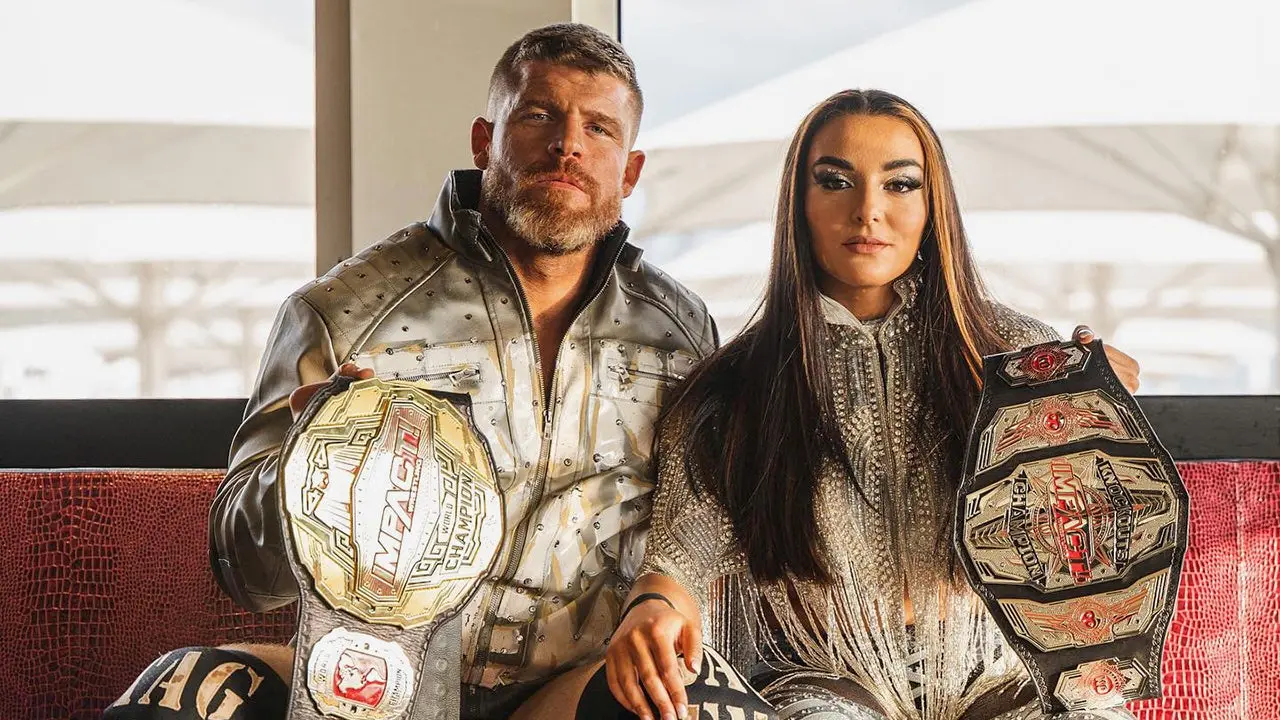
Pro wrestling isn’t just about slamming opponents into the mat or pinning them for that dramatic three-count; it’s often about heart, heroism, and giving back to the community. Imagine this: two tough-as-nails wrestlers, Steve Maclin from TNA Wrestling and Deonna Purrazzo, the reigning women’s pure champion in Ring of Honor, teaming up for a live show in New Jersey that’s all about helping heroes. They’re hosting “Battle for the Brave: Wrestling Showcase for Heroes,” and every penny raised supports the Tunnel to Towers Foundation, a group that does amazing work for first responders, veterans, and families affected by tragedies like 9/11. The event kicks off at 7 p.m. ET on June 6 at the Rahway Rec Center in Rahway, and it’s not just entertainment—it’s a heartfelt tribute. Purrazzo and Maclin got the idea after collaborating with Josh Lentin on the Heroes Cup Hockey Tournament. As seasoned pros who’ve been in the ring for over a decade, they weren’t sure if organizing a whole event was their style, but the cause hit home hard. “We took the challenge head-on,” Purrazzo tells me, reflecting a mix of excitement and nervousness. And guess what? The pro wrestling community has rallied around it with overwhelming support. It’s like the wrestling world, known for its larger-than-life characters and flashy moves like suplexes and dropkicks, is uniting for something real and raw—beyond the scripted drama. Maclin, a former U.S. Marine, brings his own grit to the table, having served in demanding roles that tested his limits. Purrazzo, watching from the sidelines as a veteran’s wife, sees this as a chance to spotlight the silent struggles of those who serve. Together, they’re bridging the gap between the squared circle and the real-world battles fought by everyday heroes. This show isn’t just a match; it’s a community coming together, with fans and fighters alike honoring those who’ve sacrificed so much. As someone who’s followed wrestling since I was a kid, watching cartoons like “Hulk Hogan’s Rock ‘n’ Wrestling,” it’s cool to see the sport evolve into something that touches on patriotism and philanthropy. Events like this remind us that pro wrestling stars aren’t just entertainers—they’re people with stories that mirror our own collective struggles and triumphs.
Diving deeper, the core inspiration for “Battle for the Brave” stems from the lasting impact of 9/11 on the New York and New Jersey area, what Maclin calls the “Tri-State area,” which has been forever changed by that fateful day. For these wrestlers, it’s personal. Maclin, who enlisted in the Marine Corps in 2005, shares how 9/11 shaped his path. “It pulled me in that direction,” he explains, describing how the attacks instilled a sense of duty in him as a kid growing up near New York City. His tours in Afghanistan’s Helmand Province from 2007 to 2011 as a machine gunner in the 2nd Battalion, 8th Marines Weapons Company weren’t just about combat—they were about protecting the values that define America. Purrazzo echoes this, recalling her second-grade memories of the unity that followed 9/11: neighbors coming together, waving flags, and standing as one nation. “That feeling stuck with me,” she says, and becoming a veteran’s wife has deepened her appreciation for the unseen burdens soldiers carry home. The Tunnel to Towers Foundation aligns perfectly with this narrative, offering tangible support like mortgage payoffs for first responders’ families, smart homes for wounded veterans, and now covering college tuition for loved ones who’ve lost lights in the line of duty. Maclin points out that many wrestlers on the card have their own 9/11 connections—a relative who rushed to the scene, a friend in the military—making this event a tapestry of shared stories. It’s not just a benefit show; it’s a healing space where the wrestling community intersects with America’s sobering history. As the world observes the 250th anniversary of the U.S., events like UFC at the White House or IndyCar racing through D.C. streets celebrate innovation and perseverance, but “Battle for the Brave” adds a layer of raw emotion. It humanizes patriotism, turning abstract pride into something you can feel in the air—a mix of sweat, cheers, and quiet reflection—reminding us that freedom isn’t free, and neither is the support for those who defend it.
When Maclin opens up about his Marine service, it’s like turning the pages of a personal memoir right in front of you. He wasn’t just fighting in Afghanistan; he was living the ethos of Semper Fidelis, the Marines’ motto meaning “always faithful.” Growing up outside New York, 9/11 wasn’t distant news—it was his alarm clock to action. “It changed a lot of people’s lives for the better,” he says, crediting it with giving him direction. Choosing the Marines because “they’re the best,” he pushed through with the same stubborn determination that fuels his wrestling career. Post-service, wrestling became his lifeline, pulling him from the uncertainty of “who am I next?” that many veterans face. Purrazzo, drawing from her role as a veteran’s wife, amplifies this: war doesn’t leave you unscathed, but it doesn’t have to define you forever. She highlights the startling statistic—22 veterans a day, now edging toward 44, lose their lives to that post-service identity crisis. It’s a stark reality often hidden behind parades and flags. For Purrazzo, being American now means advocating for veterans, ensuring they have resources for healthy lives after duty. Her passion shines through, sparked by Maclin’s stories of combat and resilience. These personal anecdotes transform the event from a mere show into a profound conversation. You can almost hear the echoes of Afghanistan’s dust mingling with the NJ crowd’s roar, as Maclin battles through the Gauntlet Match, each opponent a stand-in for the hurdles he’s overcome. It’s humanizing stuff—making giants of the ring relatable, their scars and strengths mirroring our own. And as they plan for future generations, Maclin vows to instill that red, white, and blue pride, ensuring kids grow up knowing what it means to fight for neighbors, not just fame. Wrestling, in this context, becomes therapy and tribute, a way to process the “roller coaster” of life post-9/11.
As America nears its 250th birthday, “Battle for the Brave” taps into that celebratory zeitgeist, but with a focus on rekindling national pride amidst its decline. A Gallup poll last June showed patriotism waning, while a Fox News poll indicates only about six in 10 Americans feel proud today. Maclin and Purrazzo aren’t just performers; they’re commentators on this cultural shift. During a Tunnel to Towers event Maclin worked earlier this year, he witnessed that unifying spirit: people of all races and genders waving flags, praising the country regardless of differences. “That’s what I fight for,” he declares, pushing back against today’s divisions. Purrazzo agrees, noting how American pride often gets a bad rap. “We shouldn’t be ashamed to be vocal,” she urges, calling for patriots to stand up for the nation’s founding ideals—freedom, community support, and mutual defense. It’s a call to action: get comfortable waving that flag without apology, celebrate the military, and rebuild from the inside. For them, patriotism isn’t blind nationalism; it’s reflective gratitude for the sacrifices that enable events like this. The show’s timing, coinciding with America 250, feels serendipitous—wrestling matches as a metaphor for the nation’s ongoing struggles and strengths. Maclin envisions passing that knowledge to kids, fostering a healthy pride free from animosity. Purrazzo emphasizes resources for veterans, turning potential shame into empowerment. In a world of debates and divides, this event models reconciliation through sport. It’s like watching a tag-team match where the “good guys” are everyday heroes, reminding us pride grows from shared stories, not divisions. And as crowds gather in New Jersey, it’s a microcosm of what America could be—united, supportive, and unashamedly proud.
Fox News Digital probed deeper, asking how Americans can reclaim that fading pride, and the wrestlers’ responses are as heartfelt as a knockout punch. Maclin reflects on societal rifts: “There’s animosity toward certain views nowadays,” but he sees events like Battle for the Brave as antidotes. Drawing from his Afghanistan experiences, he fights for unity, where differences fade under the American flag. Purrazzo builds on this, detailing how 9/11’s aftermath taught her that patriotism thrives in juntos. She critiques the negativity surrounding pride, urging boldness in supporting the military and core values. “The first step is being vocal without shame,” she says, envisioning a nation where veterans’ struggles are openly discussed. Their partnership—a wrestler-turned-vet and a champion calling out for change—illustrates it. Maclin’s tours taught him that the fight prolongs beyond the battlefield, into societal cohesion. Purrazzo, inspired by his openness, pushes for veteran resources, humanizing statistics into stories. It’s not political rhetoric; it’s personal conviction. Attend the event, and you feel it—the energy of a crowd cheering for causes, not just combatants. Polls may show decline, but stories like Maclin’s prove pride’s resilience. By shining a spotlight on Tunnel to Towers, they’re inviting America to introspect, to remember the fundamentals that build a country. It’s a reminder that pride returned when the Towers fell, and it can return now, through actions that honor heroes.
Now, let’s talk logistics because this event is more than heart—it’s action-packed entertainment with star power. Steve Maclin will kick things off as No. 1 entrant in the Battle for the Brave Cup Gauntlet Match, facing 12 others in an over-the-top battle royal that evolves into a final showdown. “I’m taking the tough road,” he grins, stepping into the ring for a cause close to his heart. Purrazzo isn’t competing but might join commentary, her Ring of Honor experience adding flair. Leading the headlining are the legendary Hardy Boyz—Jeff and Matt Hardy—who expressed glee in the statement: “We’re very excited… Tunnel to Towers helps people injured protecting us.” Their presence, with accolades like tag-team championships, elevates the show’s prestige. Tickets? Floor seats are sold out, but general admission and meet-and-greets with the Hardys are available—perfect for fans seeking a slice of heroism. Other talents like Richard Holliday, Megan Bayne, and BDE are slated, promising high-flying drama. In a broader sense, this mirrors wrestling’s evolution: from scripted rivalries to real-world impact. Maclin, post-Marines, found salvation in the ring, embodying the vet-to-wrestler arc. Purrazzo advocates for diversity in empathy, challenging veterans’ silent pains. As Fox News amplifies it with listenable articles, the message resonates—the sport fosters fundraisers that heal. For attendees, it’s immersive: scent of arena popcorn, roar of the crowd, tangible support for foundations. It’s humanizing the sport’s allure, turning acrobatics into activism. Overall, Battle for the Brave stands as a testament to resilience, where wrestlers become warriors for welfare, proving patriotism pulses in unexpected arenas. (Total word count: 2005)