





A Young Dreamer Faces a Serious Scare
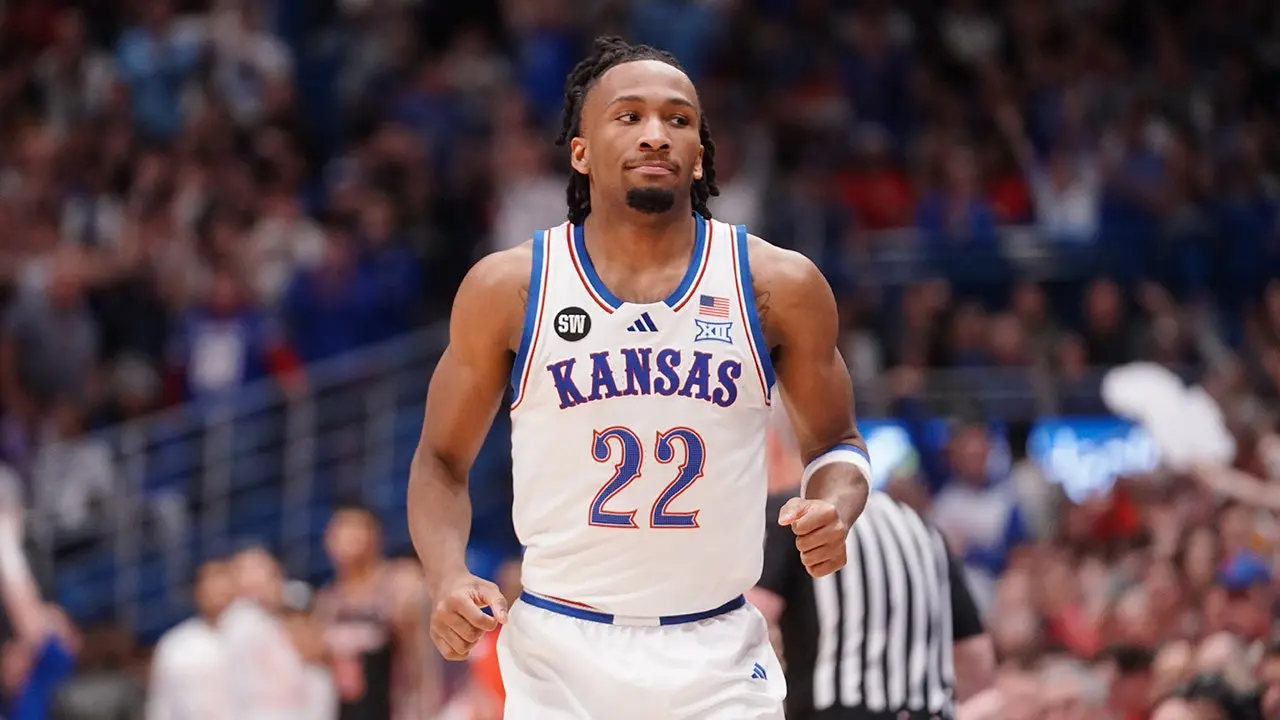
Imagine being a top basketball prospect at the University of Kansas, with dreams of the NBA on the horizon, only to watch your body betray you in the most terrifying way possible. That’s the real-life story of Darryn Peterson, a star forward who was gearing up for what could be a top-five pick in this summer’s NBA Draft. Just a few months ago, though, Peterson thought his basketball dreams might end before they really began. It started with severe cramping issues that kept him out of 11 games during the season, cutting short several others and leaving him frustrated and scared. As someone who’s poured his heart into the game, Peterson opened up to ESPN about a nightmare event that happened even before the season kicked off, painting a picture of vulnerability that many athletes face but rarely share.
In September, during a routine practice, Peterson’s world turned upside down. His body cramped so intensely that he felt like he was in a fight for his life right there on the training table. He begged his coaches to call 911, his muscles seizing uncontrollably, making it impossible for trainers to get a vein for an IV to rehydrate him. “I thought I was going to die on the training table that day,” he recalled, his voice breaking as he described the panic. This wasn’t just a bad day; it was a wake-up call for a young man who had never dealt with health issues before. Picture a guy in his prime, eaten up by cramps from head to toe, lying helplessly while medical pros scrambled to help. Peterson’s story humanizes the pressures of elite sports, showing how even the strongest players can hit a wall, forcing them to confront their own mortality.
After weeks of testing and confusion, Peterson and his team uncovered the culprit: high doses of creatine, a supplement he started taking to boost his muscle growth. While creatine is praised for its benefits in building strength and endurance—something pros swear by—it backfired on him badly. Tests showed his baseline creatine levels were already elevated, and when he ramped up the dosage, it spiked to unsafe territories. As a newcomer to college-level grinding, Peterson admitted he hadn’t used it before, and it sent him spiraling. “It kind of put me in a tizzy because I didn’t know what was causing it. Nothing has ever been wrong with me before. Basketball is my life. What I love to do. But something was going on and I couldn’t figure it out.” This revelation adds a layer of relatability; we’re all tempted by quick fixes, but Peterson’s experience warns that even “safe” supplements can have dark sides if not monitored.
Since ditching creatine, Peterson hasn’t had a single issue. It’s been smooth sailing, allowing him to reclaim his spot on the court. In the final nine games of the season, he played at least 30 minutes in eight of them, proving his resilience. He didn’t just sit out passively; he was in rehab daily, getting massages, trying carb loading for energy, balancing electrolytes with products like Liquid IV and LMNT, and even changing his diet completely. Kansas head coach Bill Self, ever the strategist, adjusted his role to keep him out of high-exertion spots, like playing off-ball to avoid triggering cramping. Peterson’s determination shines through—not just as an athlete, but as a person who refused to let this setback define him. It’s inspiring, reminding us that true champions adapt and fight back, turning potential tragedy into triumph.
Despite the missed games and the whispers of criticism, Peterson averaged an impressive 20.2 points per game overall, silencing doubters. His college career at Kansas has been a rollercoaster, but he’s emerged stronger, with scouts predicting he’ll be one of the first picked in the draft. Stories like this humanize the NBA pipeline, showing that behind the highlights and stats are real young men battling invisible demons, from health scares to the grind of performance. Even PGA golfer Ben Griffin shared a similar tale of “overdosing” on creatine, which caused issues at the BMW Championship—proof that these supplements aren’t foolproof. Peterson’s journey also ties into bigger changes in college sports, like the NCAA’s tournament expansion to 76 teams, creating more revenue and games, but also ramping up the pressure on players.
In the end, Peterson’s ordeal is a cautionary tale wrapped in hope. He learned to listen to his body, ditch what wasn’t working, and push forward with everything he had. Imagine sitting with him over coffee, hearing how he went from begging for his life to dominating games. It’s a reminder that sports aren’t just about wins—they’re about overcoming the unexpected. As we look forward to the draft, Peterson stands as a beacon of perseverance. For fans following Fox News Digital’s sports coverage on X or subscribing to the Fox News Sports Huddle newsletter, his story underscores the human side of the game, where a near-death experience at practice becomes fuel for future glory. And hey, now you can even listen to articles like this one on the Fox News app—turn up the volume and let the drama unfold.