





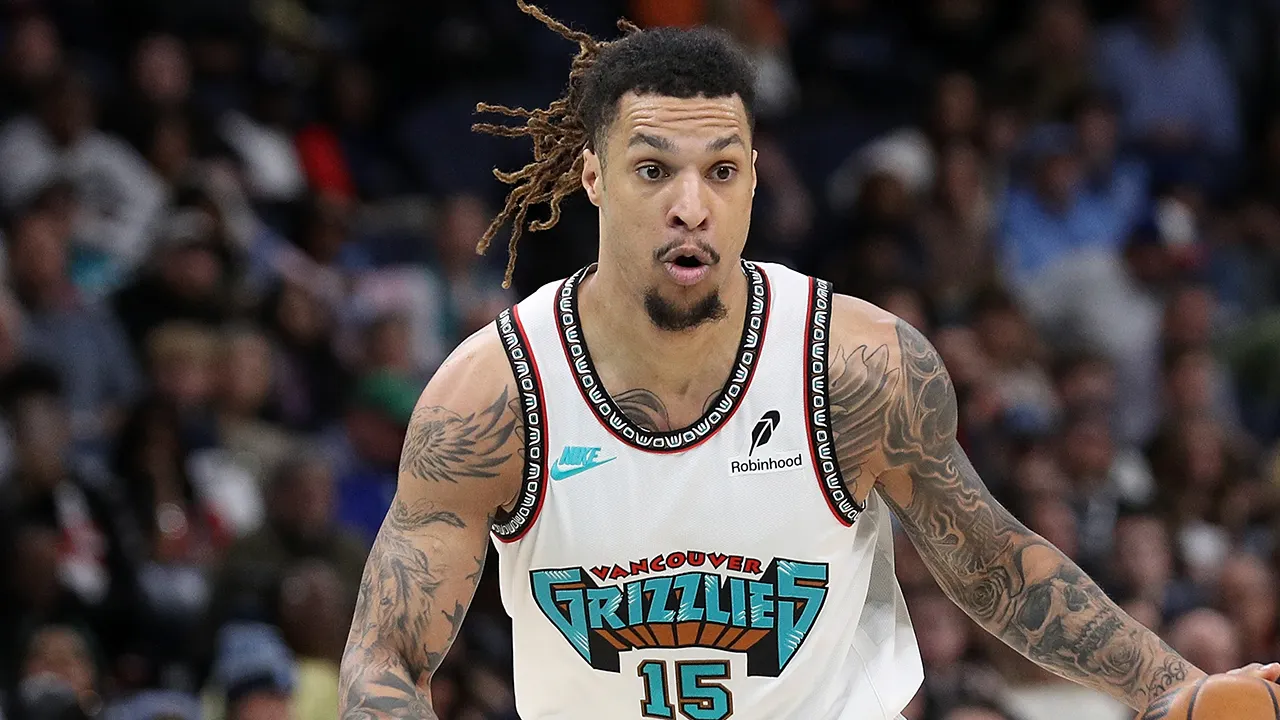
The sports world was plunged into deep mourning following the devastating announcement that former Memphis Grizzlies forward Brandon Clarke passed away at the tender age of 29. On a quiet Friday, the Los Angeles County Department of Medical Examiner confirmed the heartbreaking reality that many had feared: Clarke’s life was cut tragically short on May 11 in his Los Angeles home due to an accidental drug overdose involving the combined effects of heroin and cocaine. When first responders arrived at his residence, the presence of drug paraphernalia painted a sobering picture of a young man fighting a battle far more dangerous and complex than any opponent he had ever faced on the hardwood. This sudden loss has sent shockwaves through the NBA community, transforming a vibrant athletic talent into a poignant reminder of the ongoing crisis of substance abuse. The news of his passing reminds us that behind the multi-million-dollar contracts, the glittering arena lights, and the roaring crowds, professional athletes are fragile human beings vulnerable to the same silent, devastating struggles that affect millions of ordinary people worldwide.
Long before his life met its tragic end, Brandon Clarke was a symbol of hope, dedication, and cross-border pride. Born in Vancouver, Canada, Clarke possessed a natural athleticism and an infectious enthusiasm for the game of basketball that eventually led him to a stellar collegiate career at Gonzaga University, where his shot-blocking prowess and high-flying dunks captivated college basketball fans across North America. His undeniable talent caught the attention of the NBA, leading to his selection as a first-round draft pick by the Oklahoma City Thunder in 2019. However, professional sports can be unpredictable, and his draft rights were quickly traded to the Memphis Grizzlies in exchange for Darius Bazley and a future second-round pick. Memphis immediately felt the spark of his presence; during the 2019 NBA Summer League, Clarke put on a masterclass of versatility and grit, earning the tournament’s Most Valuable Player award. In doing so, the proud Canadian made history as only the second non-American player to ever claim the prestigious honor, signaling the arrival of a special talent who seemed destined for a long, bright career.
For seven years, Clarke became an indispensable thread in the cultural fabric of the Memphis Grizzlies. While many players of his caliber clamor for the spotlight of the starting lineup, Clarke embraced a different, deeply honorable calling as a selfless leader off the bench. He proved that greatness is not measured solely by starting appearances, but by the energy, passion, and reliability one brings to the floor every single night. During his standout 2019-20 rookie campaign, he averaged an impressive 12.1 points, 5.9 rebounds, and 1.4 assists, earning himself a well-deserved spot on the NBA All-Rookie team. Over the course of 309 career games, Clarke was a model of consistency, averaging 10.2 points, 5.5 rebounds, and 1.3 assists in just over 20 minutes per contest. To the Memphis faithful, he was more than just a statistical contributor; he was “BC,” a high-energy spark plug whose rim-rattling dunks and relentless defensive effort could instantly electrify the arena, earning him the deep respect of teammates, coaches, and rivals alike.
However, the glittering path of professional sports is often fraught with physical pain and mental isolation, a reality that Clarke faced head-on during a brutally difficult final season. The 2023-24 campaign, which should have been another chapter of growth, instead became a grueling test of patience and resilience as Clarke was limited to appearing in just two games. His body, once his greatest asset, became his primary obstacle. He began the year sidelined by major surgery on his right knee, a grueling ordeal requiring endless hours of lonely rehabilitation far away from the warmth of the locker room and the adrenaline of game nights. Just as he clawed his way back toward the court, disaster struck again in the form of a severe right calf strain, forcing him to miss almost the entirety of the season. In March, the Grizzlies organization released a statement expressing hope, noting that while his rehabilitation required more time than initially hoped, the expectation was a triumphant return for the following season. This prolonged absence from the game he loved undoubtedly left a profound void, highlighting the immense mental toll that long-term injuries take on athletes whose identities are so closely bound to their physical performance.
Beneath the surface of his rehabilitation, a silent storm was brewing, one that began to manifest in increasingly concerning ways away from the basketball court. In April, just weeks before his untimely death, Clarke was arrested in Arkansas under circumstances that hinted at a life spinning out of control. Law enforcement booked him on a series of serious charges, including improper passing, fleeing, exceeding the speed limit, possession of a controlled substance, and trafficking a controlled substance. He had been scheduled to face these charges in court on May 15, a date he would tragically never live to see. Looking back, these legal troubles emerge not as a simple lapse in judgment, but as a desperate, silent cry for help from a young man drowning in physical pain, isolation, and the terrifying realization of his own vulnerability. It is a stark reminder of how easily the pressure of maintaining a public persona of strength can prevent someone from seeking the help they so desperately need when their world is crumbling in private.
Ultimately, Brandon Clarke’s story is a heartbreaking narrative of a life of immense promise cut tragically short, leaving behind a profound sense of grief and “what could have been.” As the basketball world mourns his passing, it is vital that we remember him not merely for the tragic circumstances of his final days or the clinical findings of a coroner’s report, but for the joy he brought to the court, the barriers he broke as an international athlete, and the warmth of his spirit. His death serves as a devastating reminder of the human cost of substance abuse and the critical importance of mental health and addiction support, particularly for those who suffer in silence behind the facade of fame and athletic invincibility. In honoring Clarke’s memory, let us strive to foster a culture of empathy, compassion, and open dialogue, ensuring that no one—regardless of their status, wealth, or physical strength—feels they must carry the crushing weight of their demons alone. Brandon Clarke’s light may have been extinguished far too soon, but the impact he made on his teammates, his fans, and the game of basketball will endure long after the final whistle has blown.