






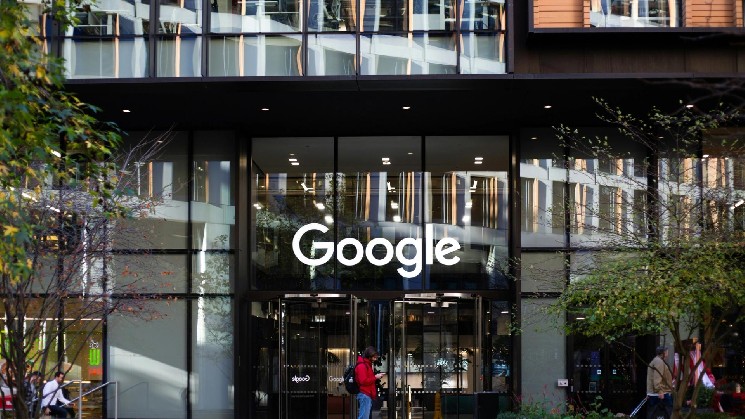
Google and Apple Step Up Digital Asset Hiring, Signaling Big Tech’s Blockchain Ambitions
The intersection of Big Tech and blockchain is heating up, and two Silicon Valley titans are quietly positioning themselves at the center of the convergence. Google and Apple have begun actively recruiting professionals with deep expertise in digital assets, adding fresh evidence that the industry’s largest players are bracing for a more prominent role for stablecoins, tokenization, and blockchain-based payments. Over the past year, the conversation around digital assets has shifted from speculative retail trading toward institutional-grade infrastructure, and these latest job postings underscore how deeply that transition has permeated mainstream technology companies. Google Cloud, for instance, is hunting for an Industry Principal Architect based in Hong Kong, a role expressly designed to drive tokenization initiatives across the fast-growing Asia-Pacific region. Apple, meanwhile, is searching for a Financial Product Strategy Lead to guide the evolution of Apple Pay, a position that suggests digital assets are now part of the strategic calculus for the world’s most widely used mobile payments platform. Neither listing confirms the imminent launch of a new crypto product or blockchain-based wallet, and corporate spokespeople have remained characteristically tight-lipped about future roadmaps. But the recruitment signals are unmistakable: blockchain expertise has become a valued asset inside two of the most powerful ecosystems in global commerce. Industry analysts see this as a quiet but meaningful inflection point—a recognition that the infrastructure underpinning tomorrow’s financial system may increasingly run on distributed ledger rails, and that the companies best positioned to shape that infrastructure are the ones investing in specialized talent today.
Google Cloud Targets Asia-Pacific Tokenization Opportunities
At the heart of Google’s latest push is a strategic role that reads like a blueprint for the company’s ambitions in the digital asset space. The cloud division has posted an opening for an Industry Principal Architect to be based in Hong Kong, with a mandate to collaborate closely with protocol foundations, cryptocurrency exchanges, custodians, and traditional financial institutions on tokenizing real-world assets across the APAC region. The job description paints a vivid picture of what Google expects its new hire to deliver: advising C-suite executives, shaping the company’s Web3 product roadmap, and acting as a bridge between Google Cloud’s infrastructure offerings and the needs of the digital asset ecosystem. Candidates applying for the role are expected to bring hands-on experience with blockchain networks, smart contracts, stablecoin infrastructure, tokenized deposits, and custody technologies—areas that, until recently, would have been considered esoteric even within the broader technology sector. The geographic focus on Hong Kong and the wider Asia-Pacific market is telling. Asia has emerged as a global laboratory for tokenization pilots, stablecoin experimentation, and digital asset innovation, with jurisdictions like Singapore, Hong Kong, and Japan actively crafting regulatory frameworks designed to attract institutional participants. By placing a senior hire in this region, Google appears to be signaling that it sees not just a technical opportunity but a commercial one, with banks and asset managers across Asia increasingly exploring how blockchain-based representations of bonds, funds, real estate, and other traditional assets can improve operational efficiency, reduce settlement times, and unlock new revenue streams. For Google Cloud, the strategic goal is straightforward: to establish itself as the preferred cloud provider for digital asset builders and institutional adopters, offering not only the raw computational power and storage capacity that these workloads demand, but also the credibility and enterprise-grade security that established financial institutions expect from their technology partners.
A Strategic Bet on Web3 Infrastructure
The Hong Kong hire, however, is just one component of a broader strategic push within Google Cloud’s Web3 practice. By bringing on board an executive with deep familiarity with the entire stack of blockchain infrastructure—from smart contract development to secure custody solutions—Google is effectively building a specialized advisory layer on top of its existing cloud offerings. This is a well-established playbook in the enterprise technology world: sell the infrastructure, but lead with the expertise. For Google, the immediate opportunity lies in the surging demand from financial institutions that want to experiment with tokenized deposits and stablecoins but lack the in-house knowledge to navigate the complexities of blockchain deployment. The timing is no accident. Banks, asset managers, and payment companies around the world have been advancing pilot programs aimed at settling transactions using tokenized money, while regulatory bodies in major jurisdictions are moving from skepticism toward structured engagement. The European Union’s Markets in Crypto-Assets regulation, commonly known as MiCA, has established a comprehensive rulebook for stablecoin issuers and crypto asset service providers, while the United States has been navigating a complicated patchwork of guidance from agencies such as the Securities and Exchange Commission and the Commodity Futures Trading Commission. Each regulatory development adds a layer of urgency for technology providers that want to support their financial services clients through uncertain waters. Google’s decision to seek out an individual with such a specific set of qualifications suggests the company is less interested in theoretical blockchain research and more focused on practical, commercially viable applications that can be delivered to institutional customers today. That pragmatic orientation reflects a broader maturation of the digital asset market, where the speculative fervor of earlier cycles has given way to a focus on building sustainable, secure, and scalable infrastructure for the long term.
Apple Pay Makes a Quiet Bet on the Future of Payments
While Google takes its blockchain message to the cloud, Apple is charting a path that begins at the point of sale. The company’s newly posted opening for a Financial Product Strategy Lead on the Apple Pay team is notable not for its overt mention of cryptocurrencies, but for the subtle signals embedded in the job description. The role, based either in Cupertino or New York, is designed to shape Apple Pay’s product strategy, with an emphasis on identifying emerging trends in the payments landscape and translating them into commercially viable features. As part of that mandate, the successful candidate will be expected to help steer the company’s thinking around digital assets, including stablecoins and tokenized payments, although specific responsibilities remain carefully worded. For a company as secretive as Apple, the job posting itself is a rare window into its internal deliberations. Apple Pay has become one of the most widely adopted mobile payment systems in the world, processing billions of transactions annually across more than seventy countries. Integrating that platform with the broader digital asset ecosystem—whether through direct stablecoin acceptance, tokenized loyalty programs, or partnerships with digital asset issuers—would instantly expose blockchain-based payments to a massive mainstream audience. Any move in that direction, of course, would require meticulous navigation of privacy concerns, regulatory scrutiny, and the complex economics of the payments industry, not to mention Apple’s famously exacting standards for user experience and security. But the company’s willingness to bring on a strategist with an eye toward digital assets suggests that Apple is at least considering what a blockchain-native payments experience might look like, even if a full-fledged crypto product remains years away. The potential upside is enormous: for the custodian of one of the world’s largest digital wallets, the question is not whether blockchain payments will become relevant, but when, and who will be best positioned to capture that opportunity when the moment arrives.
Beyond the Crypto Niche: What Big Tech’s Talent Hunt Really Means
The significance of these job listings extends well beyond the specific companies involved. As recently as a few years ago, individuals with expertise in stablecoins, tokenized deposits, and custody technology were overwhelmingly concentrated in crypto-native firms, nimble startups, and specialized blockchain consultancies. That distribution of talent is now changing, and the reasons are rooted in the evolving economics of the sector. Financial institutions, including several of the world’s largest banks, have embraced the concept of tokenizing real-world assets—converting debt, equity, infrastructure assets, and even works of art into digital tokens that can be managed and traded on distributed ledgers. Research from major consulting firms has projected that the market for tokenized illiquid assets could climb into the trillions of dollars over the coming decade, creating an enormous addressable market for the technology providers that serve these institutions. At the same time, stablecoins have grown from a niche tool for crypto traders into a settlement layer used for everything from cross-border remittances to corporate treasury management, with the total market capitalization of the largest stablecoins consistently exceeding $150 billion in recent years. That expansion has not escaped the notice of the world’s leading technology platforms, which have begun to appreciate that blockchain-based payment systems could eventually compete with or complement their own product lines in unexpected ways. Each of these developments demands specialized knowledge—understanding how smart contracts function, how tokenized deposits flow through banking infrastructure, how liquidity moves across decentralized networks, and how regulations apply to digital assets in different jurisdictions. By hiring strategically for positions like the ones at Google and Apple, Big Tech firms are effectively buying themselves insurance against being left behind, while simultaneously signaling to the market that blockchain has joined the mainstream of financial innovation. It is a subtle but powerful validation of the technology’s staying power, and a reminder that the companies building the digital economy are prepared to adapt as its foundations shift.
A Quiet Pivot with Vast Implications
Taken together, the recruitment efforts at Google and Apple paint a picture of an industry at an inflection point, one where digital assets have evolved from a niche interest into a strategic priority for the most valuable companies in the world. To be sure, a job posting is not a product launch, and the existence of these roles does not guarantee that consumers will wake up tomorrow to a stablecoin-powered Apple Pay or a fully featured crypto dashboard inside Google Cloud. Corporate strategy is often a long and winding road, punctuated by false starts, regulatory obstacles, and shifting priorities, and neither company has confirmed any specific blockchain initiative. Yet the direction of travel is unmistakable. The two firms behind the most widely used operating systems, the most popular mobile payment platforms, and one of the largest cloud infrastructure businesses on the planet are deliberately investing in blockchain expertise, and doing so across different regions, different business units, and different access points to the global financial system. What makes this moment remarkable is not any single hire, but the cumulative signal it sends: stablecoins and tokenized deposits are becoming as relevant to the future of payments and finance as the internet itself proved to be a quarter-century ago. Over the next several years, the convergence between Big Tech and blockchain could reshape everything from how institutional investors settle trades to how consumers pay for their morning coffee, and the companies that recognize this today, and staff accordingly, will be well positioned to lead the next generation of financial infrastructure. Google and Apple, by all available evidence, have made their choice. It would be wise to pay close attention to what they do next.