



The modern National Football League is an unforgiving arena of physical attrition, where the difference between a championship run and a lost season often comes down to the health, resilience, and daily well-being of the players who put their bodies on the line. Recognizing this fragile balance, New York Jets owner Woody Johnson has made a monumental commitment to the franchise’s future by investing in a massive, state-of-the-art Phase 2 renovation of the Atlantic Health Jets Training Center, more than doubling the physical footprint of the team’s performance facilities for the upcoming seasons. Yet, as the organization prepares to unveil a facility that is a staggering 250% larger than its predecessor, the true narrative of this expansion lies far beyond the impressive concrete and steel. Under the guiding philosophy of Director of Player Performance Erik Korem, the Jets are shifting away from the traditional, archaic concept of a loud, sweat-stained weight room focused solely on lifting heavier iron. Instead, they are actively pioneering a deeply compassionate, highly integrated “holistic health and human performance ecosystem” that views athletes not as mere expendable commodities on a depth chart, but as complex, highly sensitive biological engines requiring bespoke, multi-layered care to survive and thrive in the elite sporting world.
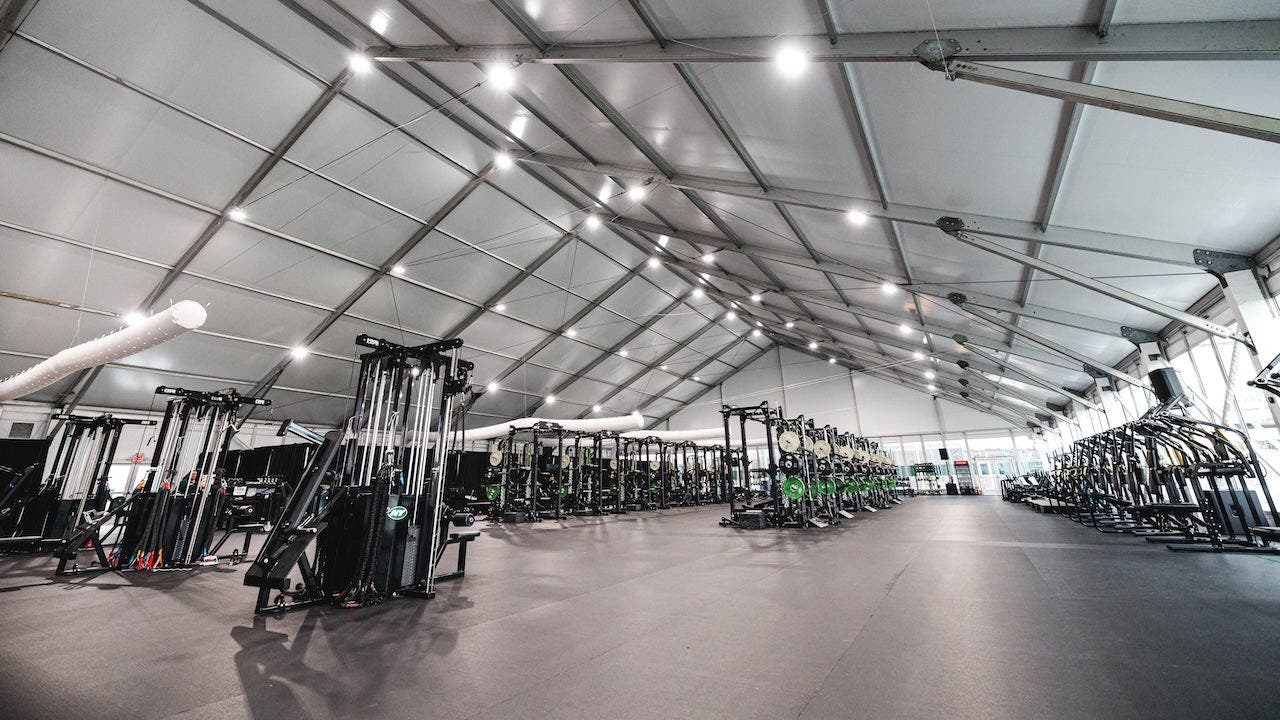
This radical evolution in athletic care is already unfolding in real-time, proving that the franchise’s commitment to its current roster is an active, living promise rather than a distant corporate goal. To build the grand facility of tomorrow, the physical infrastructure of yesterday had to be completely demolished, yet the relentless timeline of an NFL calendar permits absolutely no pause in athletic preparation. To resolve this conflict, the Jets’ leadership team—including owner Woody Johnson, general manager Darren Mougey, and head coach Aaron Glenn—instituted a strict, non-negotiable directive: the long-term construction project must never compromise the immediate, short-term needs of the players. Consequently, the team is currently operating out of a massive temporary training facility that is itself 70% larger than the old weight room, complete with cutting-edge equipment and monitoring systems that were immediately installed rather than locked away in storage. This logistical triumph humanizes the cold blueprints of construction, painting a picture of dedicated athletes and staff grinding away in an interim sanctuary, surrounded by the sounds of progress, proving that the organization values the immediate physical readiness and comfort of its players just as much as its long-term technological aspirations.
At the very heart of this new performance ecosystem is an intense focus on extreme personalization, moving far away from the outdated, one-size-fits-all training regimens of the past. The physical demands placed upon a towering, 300-pound offensive lineman locking horns in the trenches are fundamentally different from those experienced by a sleek, 180-pound defensive back sprinting downfield, and the Jets’ new center is meticulously engineered to honor those unique physiological identities. Through the continuous, “serial” collection of precise data using 3D motion capture, force plates, and computer-vision telemetry, the staff can track subtle, acute fluctuations in an athlete’s neuromuscular system over the course of a grueling week. Instead of relying on static, outdated measurements of maximum strength, coaches utilize velocity-based training, letting the real-time speed of a lifted barbell dictate the intensity and volume of a player’s daily workout based on their current state of fatigue. Crucially, this wave of advanced technology—including a custom-designed, AI-powered player performance app—is not intended to replace human intuition or turn athletes into clinical test subjects; rather, it is designed to strip away administrative burdens, allowing coaches and performance specialists to make highly informed, deeply empathetic daily decisions that preserve the longevity and physical dignity of every individual on the roster.
Physical exertion, however, represents only half of the athletic equation, prompting Korem to conceptualize training and recovery as a continuous, vital biological arc. For an NFL player, the transition from the hyper-aggressive, high-adrenaline “sympathetic” state required on the practice field to the quiet, restorative “parasympathetic” state necessary for cellular repair is incredibly difficult to achieve under the high-pressure cooker of professional sports. To facilitate this crucial downshift, the new performance center introduces revolutionary, futuristic recovery modalities designed to soothe both the mind and the body. Among these are the TERSA SAVA Sound Pods, memory-foam-lined cradles that envelop players in spatial audio and low-frequency vibroacoustic vibrations to rapidly induce deep psychological and physical calm. Additionally, the multi-modal Ammortal Chambers stack several therapeutic healing systems into a single, efficient session, combining red and near-infrared light therapy, pulsed electromagnetic fields, and sound vibrations to maximize recovery within the tightly packed, demanding schedule of a professional athlete. By incorporating these highly advanced wellness chambers, the Jets are acknowledging that true recovery is a holistic process, blending scientific innovation with the basic human need for peace, silence, and restorative rest.
This deeply individualized philosophy extends directly into the team’s kitchen, transforming nutrition from a basic, routine service into a vital cornerstone of performance infrastructure and organizational trust. Under the expert guidance of Director of Performance Nutrition Carmen Spencer, the culinary staff is discarding generic post-workout meals in favor of dynamic, chef-curated menus featuring high-quality proteins like salmon, diverse chicken preparations, and customized action stations serving fresh poke bowls tailored to precise metabolic needs. This nutritional revolution carries a profound emotional weight for the franchise, serving as a direct and tangible response to the sobering 2025 NFLPA player report card, which saw the Jets ranked a disappointing 29th overall, with low grades for their old weight room, locker room, and food services. While the organization has not publicly framed this massive renovation as a direct retaliation to the player survey, the physical sequence of events speaks volumes; by following up a luxury Phase 1 locker room redesign with this sweeping Phase 2 performance and nutritional expansion, the franchise is actively listening to its players’ voices, actively rebuilding organizational trust, and demonstrating that the physical comfort, nourishment, and daily happiness of their athletes are paramount.
Ultimately, all of the futuristic recovery pods, advanced force-plate algorithms, and culinary innovations are designed to support a much older, simpler, and more grueling truth: the hardest and most important work in football still occurs outside on the grass and dirt of the practice field. No piece of artificial intelligence or wellness technology can ever guarantee a victory on Sunday or completely shield a human body from the violent, chaotic collisions of a football game. The true competitive bet of the Jets’ new Player Performance Center is not on the sophistication of the machinery itself, but on the brilliant, compassionate human practitioners hired to interpret the data and foster genuine relationships with the players. By creating a physical space where strength coaches, nutritionists, sports scientists, and sports medicine therapists can seamlessly collaborate in a shared, communicative environment, the Jets are building an infrastructure of human connection. The final, defining ambition of this massive 250% expansion is to turn better, faster, and more compassionate information into wiser daily decisions, ensuring that when the players finally run out of the high-tech facility and onto the field, they do so as the healthiest, most resilient, and most supported versions of themselves.