






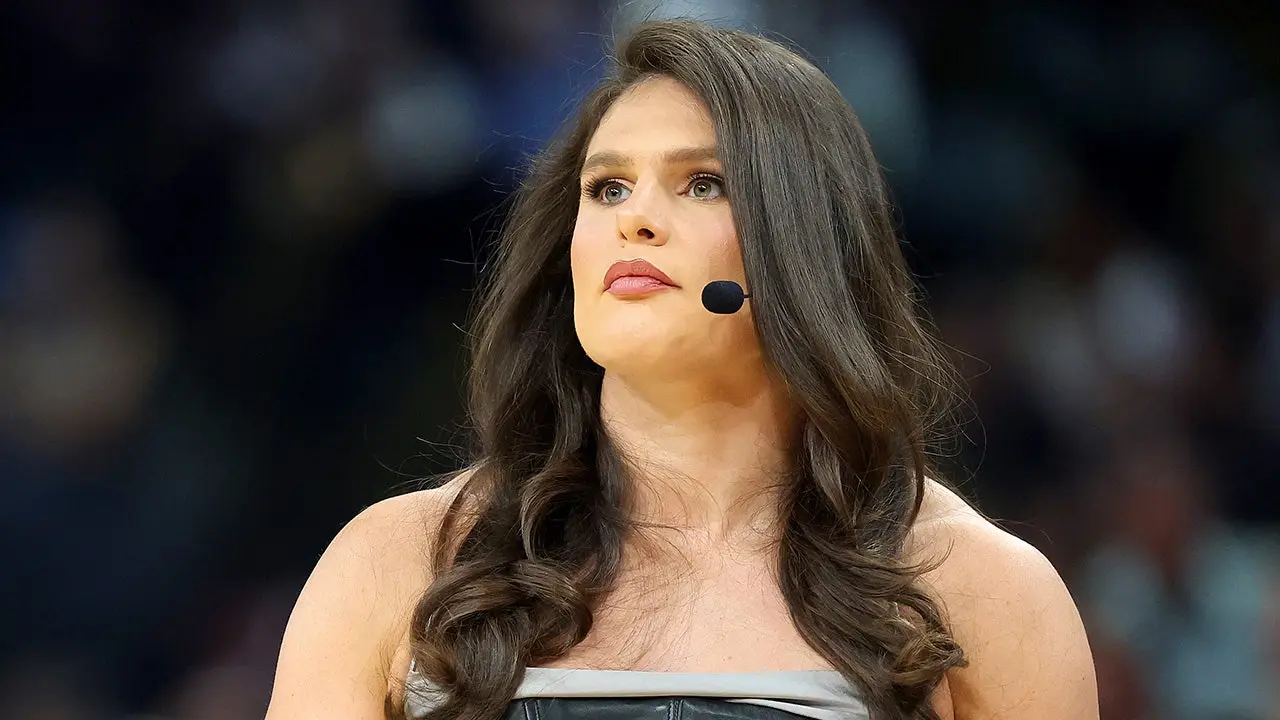
Ilona Maher had just stepped off the podium in Paris, the bronze medal for Team USA’s women’s rugby team gleaming around her neck, a testament to the historic moment of the country’s first-ever medal in the sport. At 29 years old, she was the epitome of athletic triumph, her journey from a young softball player to a global rugby star inspiring countless young women. But back home at her alma mater, Quinnipiac University, a storm was brewing that would shatter her sense of loyalty and pride. The school, grappling with financial pressures and strategic shifts, announced a major realignment of its athletics program to bolster long-term competitiveness, sustainability, and Title IX compliance. In a carefully worded statement released on a chilly Tuesday afternoon, they revealed that the women’s rugby team, once a powerhouse, would transition from varsity status to a club team at the end of the current season. It was a decision that felt personal, not just administrative, as if the university was quietly closing a chapter on the players who had brought it glory. For Ilona, who had bled red and black for the Bobcats, this wasn’t just a policy change; it was a betrayal of the bonds forged on the field. The announcement came amid whispers of broader university challenges—rising costs, evolving NCAA landscapes, and the ever-pressing need to balance budgets while ensuring equitable opportunities across genders. Athletic director Greg Amodio tried to soften the blow, emphasizing that such moves were essential for the program’s future health. Yet, in the eyes of the athletes affected, it reeked of prioritization, where resources flowed to what was deemed “strategic” at the expense of passion projects like rugby. Ilona, scrolling through the university’s post on her phone, felt a familiar fire ignite. She had dedicated years to this team, her body a map of bruises and scars from countless tackles and try-scoring runs. Now, it seemed her legacy was being sidelined, relegated to the sidelines of college sports.
The university’s rationale was rooted in a holistic review, blending competitive viability with national trends and resource distribution. They argued that varsity sports demanded substantial investments in coaching, travel, equipment, and scholarships, and not every program could justify that level of support indefinitely. Women’s rugby, while beloved, faced stiff competition in a sport not as mainstream as football or basketball, making it vulnerable in lean times. Participation numbers nationwide had dipped in certain demographics, and Quinnipiac’s leadership pointed to gender equity impacts—ensuring that funds didn’t disproportionately favor one group over another. Amodio’s statement reiterated that these choices were never taken lightly, driven by data and foresight. For instance, the shift allowed them to redirect varsity-level resources toward programs with stronger long-term staying power, like expanding the men’s track and field into indoor and outdoor distance running. This new addition was hailed as a “high-impact opportunity,” promising to boost the Bobcats’ standings in cross-country events and address equity by broadening male participation. Yet, beneath the corporate speak, there was a human cost. The women who had poured their hearts into rugby weren’t just athletes; they were daughters, sisters, and aspiring professionals juggling studies, practices, and dreams. Many had relocated to Quinnipiac assuming varsity privileges—travel to tournaments, access to trainers, and the prestige that opened doors. Now, the club status meant fewer perks, less visibility, and a potential erosion of the program’s vibrant culture. Ilona thought back to late-night training sessions and locker room laughs, the rituals that made Quinnipiac more than a school. She wondered if administrators truly understood how these decisions rippled through lives, turning warriors into afterthoughts.
Maher’s fury erupted publicly, a raw and unfiltered outpouring that captured the internet’s attention. On her Instagram Stories, she shared a screenshot of the university’s announcement, tagging Quinnipiac’s official pages with a defiant caption: “Shame on you.” It was short, but the weight behind it spoke volumes—an Olympic medalist, a three-time NIRA champion, calling out the institution that shaped her. Her followers, fellow athletes and rugby enthusiasts, rallied in the comments, echoing her outrage. Ilona wasn’t one to mince words; her Instagram often featured glimpses of her athletic life, from pre-match warm-ups to post-victory celebrations, humanizing her as relatable and authentic. Beneath the anger was a layer of hurt, the kind that comes from feeling undervalued after years of sacrifice. She had walked the halls of Quinnipiac as a beacon, inspiring younger students to take up contact sports despite the stereotypes. Now, this decision felt like a slap, undermining not just the team’s achievements but the very fight for women’s sports recognition. What would this mean for aspiring rugby players? Would clubs suffice, or was this a step backward in gender equity? Ilona’s post sparked debates online, with some defending the university’s fiscal prudence while others saw it as a shortsighted move that prioritized money over spirit. In the wake of her viral moment, she grappled with the silencing of voices—athletes like her who dared to speak up often faced pushback, labeled as ungrateful by those who didn’t understand the sweat and blood invested.
The true depth of the impact became clearer when Maher shared a private text exchange, peeling back the curtain on the personal toll. In a screenshot posted to her Stories, she revealed a conversation with an unknown recipient, likely a close confidant or former teammate, where she had inquired about the repercussions. Replying, the contact confirmed that yes, “girls will lose scholarships and everything.” The response hit like a body check: “None of them can afford to stay. I have two athletes who have no parents. They have nowhere to go if they aren’t at QU. I can’t believe this happened.” These weren’t anonymous players; they were individuals with stories—orphaned kids relying on the university’s support, young women whose rugby dreams were their lifeline. The text underscored the cruelty of the realignment, stripping away financial aid that covered tuition, housing, and meals. For those without familial safety nets, this wasn’t a minor adjustment; it was life-altering, forcing tough choices between staying enrolled or abandoning education altogether. Ilona, reflecting on her own path, remembered the scholarships that had enabled her to focus on training rather than jobs while studying. Her father’s encouragement had pushed her from softball to rugby, but for these athletes, the university’s pivot threatened to unravel similar narratives. As the conversation circulated, it humanized the issue, transforming cold statistics into palpable heartbreak. Social media amplified her voice, with users sharing stories of their own athletic disenfranchisements, creating a wave of empathy. Yet, Ilona also felt a pang of helplessness—how could one alumna change institutional tides?
Quinnipiac’s statement attempted a conciliatory tone, insisting the decision wasn’t a dismissal of the team’s value. Amodio stressed that it in no way diminished “the dedication, effort, or ability of these fine student athletes, coaches, and alumni.” He highlighted their contributions to the university’s vitality, a nod to the honors and excitement the rugby program had engendered. To ease the transition, Athletics pledged to partner with Campus Recreation, ensuring the club remained well-resourced with organized practices, equipment, and even potential scholarships through alternative means. They promised to work closely with students for a smooth shift, maintaining respect amid change. This included plans for alumni involvement, perhaps reunions or mentorships to keep the rugby spirit alive. Meanwhile, the bean counters behind the scenes celebrated the addition of the men’s distance running program, viewing it as an equitable boost that attracted high-caliber recruits and fostered campus-wide fitness cultures. But for the rugby community, these assurances felt hollow against the sting of demotion. Critics argued it contradicted Title IX aims, suggesting that cutting women’s varsity spots while expanding men’s could exacerbate disparities rather than resolve them. Ilona, processing it all, longed for more than lip service—she wanted action, apologies, and reversals. As murmurs spread about potential protests or petitions, she considered how her Olympian status could amplify the cause, bridging the gap between personal grievance and systemic reform.
Ilona Maher’s story began humbly, a testament to perseverance that rugby fans the world over admired. Recruited by Quinnipiac after her freshman year at Norwich University, rugby wasn’t even her first sport—she had burned out on softball, the repetitive swings and unchanging fields no longer sparking joy. It was her father, Michael, who nudged her toward the rag-tag game, sensing its raw energy could reignite her passion. At Quinnipiac, she blossomed, helping the Bobcats clinch three National Intercollegiate Rugby Association championships in a row. Each season was a battle, her early inexperience giving way to mastery as she earned All-American honors year after year. In 2017, she snagged the MA Sorensen Award, capping her as the nation’s top collegiate women’s player—a crowning achievement that pushed boundaries in a male-dominated sport. Fast-forward to 2024, and Ilona was pivotal in Team USA’s Olympic bronze, overcoming jet lag, physical tolls, and the pressure of history to deliver against powerhouse Australia. That medal wasn’t just hers; it belonged to the legions of women who had paved the way, including her Quinnipiac days. Yet, the university’s choice to relegate their program felt like erasing that legacy, as if the victories were footnotes in a larger fiscal ledger. As she reflected, Ilona channeled her emotions into advocacy, reminding everyone that athletes are people, not expendable assets. Her journey inspired others, proving that with grit and a supportive nudge, anyone could rewrite their story—though now, she worried if future Ilonas would have that chance at Quinnipiac. In sharing her truth, she humanized the struggle, turning a policy debate into a call for empathy and equity in sports.