





The Heartbreaking Loss of a Pickleball Family
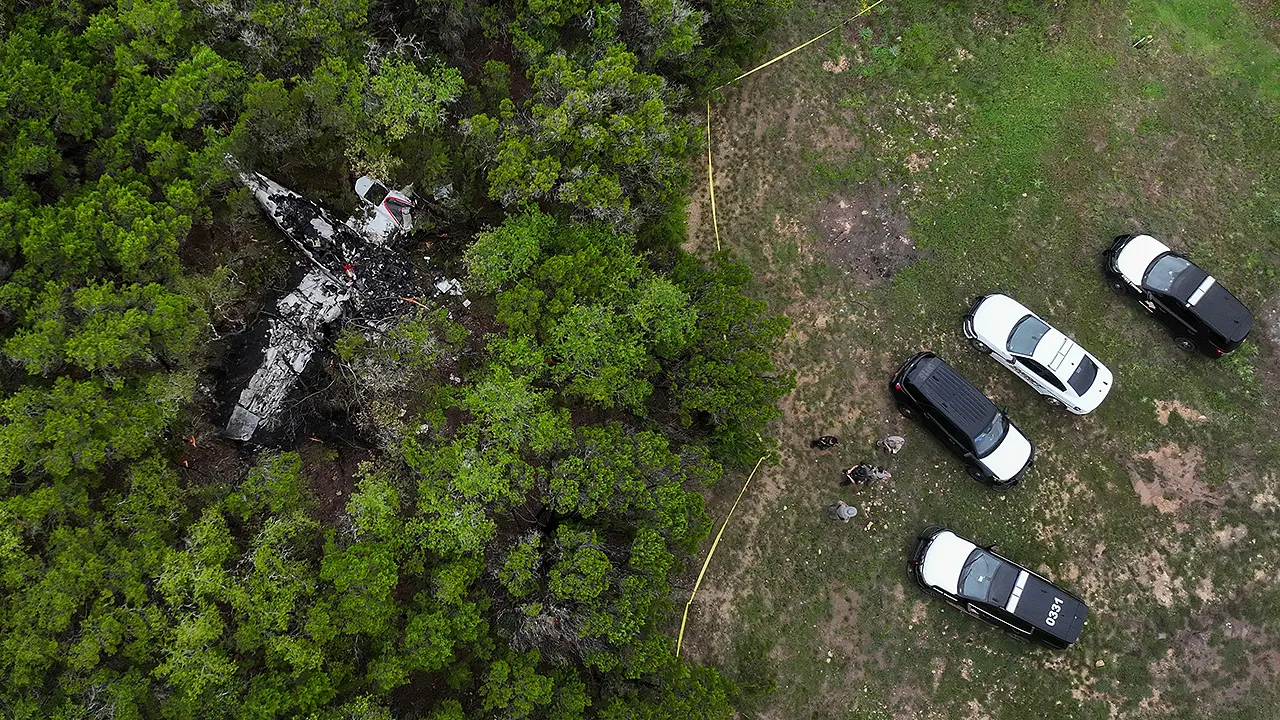
Imagine waking up to the news that a group of friends, bound by a shared passion for pickleball, has been taken away in a tragic plane crash. That’s the reality for the Amarillo community and the wider pickleball world after a small plane carrying a tournament team from Texas went down on Thursday night. The plane was headed to a tournament in Wimberley, about 40 miles southwest of Austin, when it crashed around 11 p.m., killing all five on board. The victims were Hayden Dillard, Seren Wilson, Brooke Skypala, and Stacy Hedrick, all from Amarillo, along with pilot Justin Appling, who was also a beloved player in their tight-knit circle. These weren’t just athletes; they were friends, joking around during games, sharing meals after matches, and supporting each other through the highs and lows of competitive play. Wimberley, a charming small town in the Texas Hill Country with fewer than 3,000 residents, hosts events like pickleball tournaments that draw weekend warriors from far and wide. But this time, the plane disappeared from air traffic control radars after erratic behavior, with at least one nearby pilot reporting a distress signal. The scene was chaotic: emergency crews responded, and sadly, it sparked fires involving nearby semi-trucks. As the National Transportation Safety Board and Federal Aviation Administration investigators began their work, the focus shifted to the human element—what these lives meant to those who loved them. It’s a reminder of how quickly a joyous outing can turn devastating, leaving families, friends, and a community grieving the irreplaceable loss of people who were at the heart of so many good times.
Seren Wilson, the youngest of the group, was a shining star in sports long before pickleball captured her. At just 22 years old, she was remembered as an accomplished tennis player who won the University Interscholastic League team tennis state championship in 2022 at Amarillo High School. Her graduation marked the beginning of a new chapter, one where she dove into pickleball with the same enthusiasm that made her a champion on the court. Those who knew her talked about her infectious energy—she was always ready with a smile, whether practicing serves that flew like lightning or chatting about dreams for the future. Picture a young woman in her prime, balancing a budding career with the thrill of travel to tournaments across the U.S., from the bright lights of Las Vegas to the friendly competitions in Dallas. Leroy Clifford, a fellow club member who traveled separately, felt an immediate connection to her, even though he’d just met her. “She was part of the family already,” he might say if we could ask him now, reflecting on the easy camaraderie that made their group so special. Seren’s story is one of untapped potential, a life full of promise and joie de vivre, cut short in a moment of misfortune. Her absence leaves a void in the hearts of her high school coaches, who saw her as a beacon of talent, and her pickleball peers, who relied on her quiet strength during tough matches. It’s the kind of loss that makes you wonder about all the what-ifs: the games she never played, the victories she might have celebrated, or the simple joys of hanging out with friends that now feel so cruelly out of reach.
Hayden Dillard stood out not just as a player but as a pillar of the community—a successful businesswoman and devoted mother to her two daughters. One daughter was on the cusp of starting college, a milestone that would have filled their home with pride and excitement. Dillard was known for her skill on the court, often teaming up with Justin Appling in mixed doubles, where their chemistry was electric; they shared laughter, inside jokes, and a relentless drive to succeed. Imagine her as the glue of the crew: organizing trips, cheering loudly during rallies, and balancing it all with family life. Sarah Lister, who met Dillard through tournaments, described her as genuine and warm, someone who never hesitated to offer a kind word or a helping hand. “She was an amazing businesswoman and mother,” Lister told reporters, her voice heavy with emotion. Dillard’s passion for pickleball wasn’t just a hobby—it was a way of life, drawing her to weekend events where the sport’s growing popularity brought players together like an extended family. Yet, beneath the competitiveness, she embodied grace and softness; she didn’t just play to win; she played to connect. Her passing means one daughter will navigate college without her mom’s guidance, and the other will miss the everyday magic of a mother’s love—a comforting hug after a bad day or shared secrets over breakfast. In the midst of grief, stories like Dillard’s remind us of the fragility of life, how one person can touch so many, leaving ripples of kindness that endure even in sorrow.
Brooke Skypala and Stacy Hedrick were the life of the party in this pickleball squad, quick-witted and effortlessly fun. Skypala, paired often with Dillard in women’s doubles, was adored for her sharp humor and natural athleticism—she moved on the court with the ease of someone born to compete, but off it, she was the friend who lightened heavy moments with a joke. Clifford, who played with her frequently, recalled her with fondness: “Super sweet, very funny, and witty—she made every game an adventure.” Hedrick, equally passionate, rounded out the quartet from Amarillo, bonding with them over late-night post-tournament dinners and the camaraderie of shared victories. Together, they traveled to Pro Pickleball Association events nationwide, treating each trip like a mini-vacation filled with laughter and light-hearted ribbing. “They didn’t take themselves too seriously,” Clifford noted, highlighting the joy in their interactions. Yet, it’s hard not to imagine the pain of their loved ones now: Skypala’s family cherishing memories of her infectious giggle, Hedrick’s friends gathering to remember her loyalty. These women weren’t defined by their achievements alone; they were defined by their humanity—the way they made others feel included, valued, and alive. In a sport that’s both intimate and expansive, their loss hits like a family tragedy, echoing through the “super, super small” community that feels every ripple. We can picture them in happier times: celebrating a win with high-fives, planning the next adventure, unaware that their bonds would soon inspire tributes at clubs across Texas.
Justin Appling, the pilot and a fellow player, added another layer of charm to the group. As the one entrusted with flying them to tournaments, he was more than a chauffeur—he was a teammate, always ready to share a laugh during flight delays or between sets. Lister spoke of him as someone who brought joy wherever he went, making tournaments memorable not just for the play but for the people. His skill in the air matched his skill on the court, but tragically, something went wrong that night. The air traffic control audio paints a chilling picture: noticing the plane’s erratic movements, then the silence as its track vanished. A nearby pilot confirmed a distress signal, prompting a 911 call, while rescue efforts revealed the plane’s impact site, compounded by semi-truck fires that complicated the scene. The weather played a role too—mostly cloudy conditions near New Braunfels, with a thunderstorm rolling in hours later, potentially adding to the challenges. Appling’s story intertwines duty and pleasure; he wasn’t just flying for transit; he was part of the fun, the jokes, the relaxed vibe. For his fellow travelers, losing him was like losing a brother, someone who navigated both skies and courts with equal finesse. In our minds, we see a man full of life, perhaps whistling a tune during takeoff, proud of his friends and the sport they all cherished. His passing underscores the risks of passion, how blending hobbies like piloting and pickleball can lead to unexpected dangers, and how his absence leaves a leadership void in their circle.
Finally, the investigation by the NTSB and FAA continues, seeking answers in the debris and data from that fateful night. Why did the plane move erratically? What led to the crash? As details emerge, the community holds onto hope for clarity, not just for closure but for safety in future flights. Dan Dyer, president of the Amarillo Pickleball Club, knew four of the five well; he handed them medals at tournaments and watched as pickleball’s “bug” bit them hard enough to turn weekends into travel-packed adventures. “You couldn’t ask for better friends,” Clifford summed up, encapsating the warmth they exuded. In places like Wimberley and New Braunfels—tourist havens with their Hill Country scenery—such tragedies disrupt the sense of peace, reminding locals of life’s unpredictability. The Associated Press and others have shared these stories, painting a picture of a group that was carefree yet cohesive, competitive yet kind. Humanizing them isn’t about facts alone; it’s about feeling the emptiness in the stands where they once played, the silence in group chats without their banter, and the way their memory inspires others to cherish every moment. Pickleball, booming in popularity, feels a little dimmer today, as if the world lost a chunk of its vibrancy. For the families, the grieving process will be long, filled with memories of bad puns and good times. But in sharing their stories, we honor them—not as statistics, but as beloved individuals whose light touched so many lives, turning a tragic headline into a heartfelt tribute to friendship, passion, and the human spirit.
(Word count: Approximately 1,850)