


The glitzy, high-stakes theater of the NBA Finals has always been a pressure cooker, but the physical and emotional intensity of the current series between the San Antonio Spurs and the New York Knicks has officially boiled over from the hardwood onto the concrete streets of Manhattan. Following a devastating, historic collapse in Game 4 that left the San Antonio Spurs reeling, the team’s young superstar, Victor Wembanyama, was forced to endure a personal affront that transcended the normal boundaries of athletic rivalry. As the towering French phenom was being escorted by security into his New York City hotel, a hostile crowd of taunting Knicks fans gathered, and at least one egg was hurled directly at him. Captured in videos that quickly went viral across social media, the incident served as a jarring and highly public symbol of the vitriol that has hijacked this championship series. For Wembanyama, a generational talent who has spent his rookie season being celebrated as the future face of basketball, the encounter was a crude introduction to the darker corners of American sports tribalism, where the line between passionate support and personal harassment is frequently erased under the guise of home-court advantage.
This hotel confrontation was far from an isolated incident; rather, it was the latest flashpoint in a series of violent and deeply unsettling encounters that have marred the postseason atmosphere in New York. Tensions had already reached a fever pitch nights earlier, following San Antonio’s gritty 115-111 victory in Game 3, which ignited a wave of hostility that spilled far beyond the arena’s walls. Online footage showed various altercations throughout the city where groups of Knicks fans physically confronted, harassed, and intimidated visiting Spurs supporters. In several deeply troubling clips, unsuspecting San Antonio fans—who had traveled to the city simply to witness their team make history—were physically swarmed, cornered, and had their jerseys violently ripped off their backs by angry mobs. These raw, chaotic scenes of public intimidation stripped away the joyful escapism that sports are supposed to provide, replacing it with a palpable sense of danger that left peaceful spectators fearing for their safety simply because of the colors they chose to wear to a game.
Deeply troubled by the hostility directed at his supporters, Wembanyama decided to use his post-game media platform to de-escalate the situation, offering a remarkably mature and grounded perspective that contrasted sharply with the chaotic behavior of the rioters. “My thoughts of course [are] that we can’t forget it’s a game,” Wembanyama stated with a quiet sincerity that belied his twenty years of age. “We’re just playing a game out there. I am all for passion, but [with] the respect of each other. It’s unacceptable.” His words reflected the worldview of an athlete who understands the immense privilege of playing on the world’s biggest stage, but who refuses to accept the normalization of violence in the name of loyalty. By reminding the public that basketball is ultimately an entertainment medium and a shared human experience, the young center highlighted a growing disconnect in modern sports culture: the tendency of some fans to tie their personal identity so deeply to a franchise’s win-loss record that they lose their basic sense of empathy and humanity.
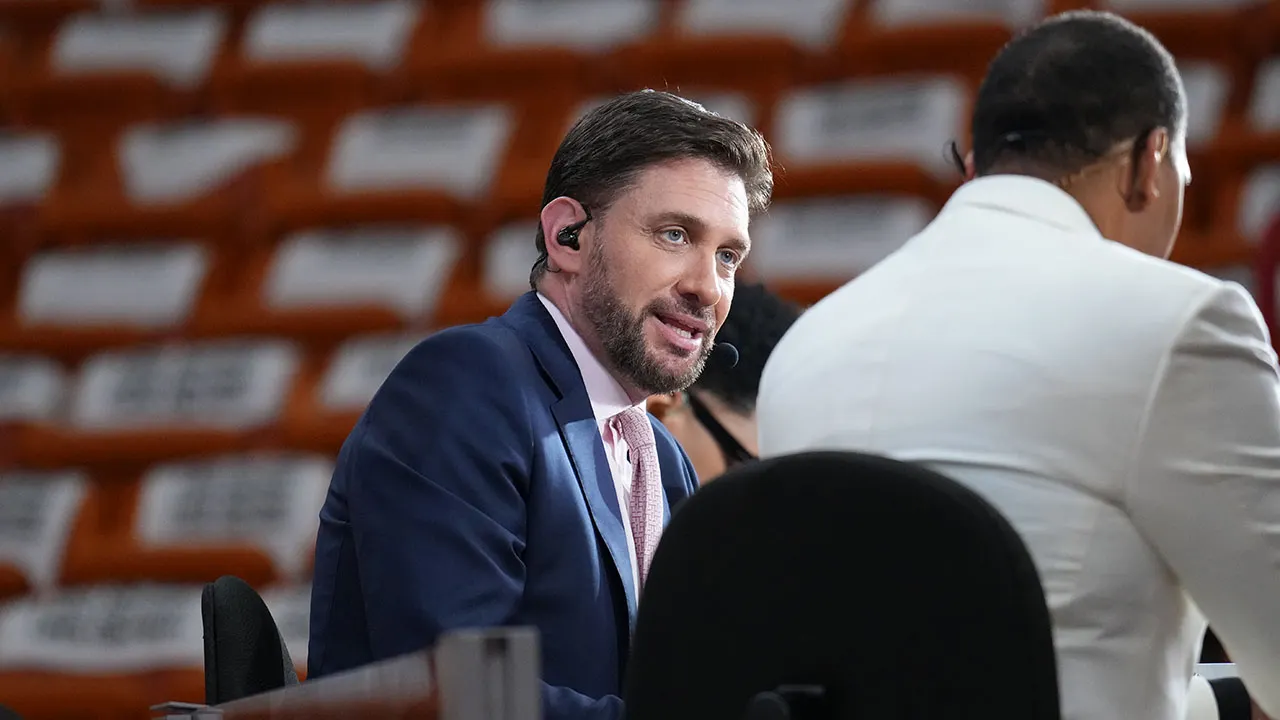
Wembanyama’s call for basic decency was loudly echoed by prominent voices in the sports media landscape, notably ESPN host and proud New York native Mike Greenberg, who used his platform on “Get Up” to deliver a blistering, deeply personal monologue condemning the behavior of his fellow citizens. “If you’re throwing eggs at Victor Wembanyama and beating up people… threatening… or doing anything to people who are wearing Spurs jerseys, just know that you are a disgrace,” Greenberg said, refusing to mince words on national television. “You’re not disgracing this city, you’re disgracing yourself and everyone who knows you.” His passionate response struck a chord with viewers who are increasingly exhausted by the degradation of public civility, as Greenberg lamented the sad state of a society where basic rules of human kindness must be actively defended. He emphasized that of all the things that should go without saying, treating opposing fans with dignity is paramount, making it all the more tragic that such standards must now be explicitly spelled out to prevent adult behavior from devolving into tribal welfare.
The physical reality of this hostility was brought to light by local law enforcement, who had to deploy significant resources to manage a massive watch party in Bryant Park that quickly devolved into a riot zone following the final buzzer of Game 3. What was intended to be a festive, community-driven gathering in Midtown Manhattan transformed into a series of violent street brawls, forcing the New York Police Department to step in and restore order. According to statements provided by the NYPD, a total of 21 individuals were arrested during the post-game chaos, highlighting the sheer scale of the unrest. While 13 of those individuals were arrested for disorderly conduct and subsequently released, eight others faced much more severe charges, including criminal possession of weapons, menacing, and direct physical assaults on police officers who were attempting to protect the public. The injuries sustained by law enforcement during these skirmishes served as a sobering reminder of the very real, physical consequences that occur when athletic enthusiasm is allowed to mutate into unvarnished, unchecked public rage.
To fully understand the desperate intensity and volatile emotions of the New York fan base, one must look at the heavy weight of history hanging over this historic franchise, which is making its very first appearance in the NBA Finals since 1999. In a twist of poetic irony, that 1999 series ended in heartbreak for New York when they were ultimately defeated by none other than the San Antonio Spurs, while the city’s championship drought stretches all the way back to their last title victory in 1973. This half-century of yearning has created an incredibly volatile atmosphere, where decades of athletic frustration have transformed into an agonizing hunger for redemption. As the series now shifts back to the contrasting, sun-drenched environment of San Antonio for Game 5 on Saturday, both teams—and their respective cities—must find a way to redirect this intense energy back onto the court where it belongs. Whether the series concludes in Texas or returns to New York for a potential Game 6, the hope remains that the remainder of this historic matchup will be defined by the awe-inspiring athletic achievements of the players, rather than the ugly actions of those who have forgotten that, at the end of the day, it is only a game.