





A Beloved Coach’s Farewell
In the heart of American football, where the roar of the crowd and the clash of helmets define legacies, the passing of Dave McGinnis on a quiet Monday feels like the end of an era that many never want to say goodbye to. At 74 years old, Coach Mac— as he was affectionately known—left this world surrounded by the warmth of his family at Ascension St. Thomas Midtown Hospital in Nashville, after a courageous battle with an undisclosed illness that had him hospitalized in early March. It’s the kind of loss that hits deep, not just in the sports world, but in the everyday lives of those who admired his unwavering passion for the game. Picture this: a man who embodied the grit and heart of football, from his humble beginnings as an assistant coach to becoming a figure of immense respect and love. The Titans, the team that became his second family, announced his death with a somber elegance, one that spoke of gratitude rather than just sorrow. Amy Adams Strunk, the Titans’ owner, poured out her emotions in a heartfelt statement: “My heart aches with the loss of Coach Mac, who was so much more than a coach and broadcaster—he was family.” These words capture the essence of a man who didn’t just teach plays on the field; he instilled values like loyalty, kindness, and an infectious enthusiasm that made everyone around him better. Imagine growing up in an era when football was king, when coaches weren’t just strategists but mentors who shaped young men’s futures. McGinnis was that rare breed—a ‘ball coach’ through and through, as recalled by Cardinals owner Michael Bidwill, who echoed that same sentiment: “He truly loved the game and everything—and everyone—associated with it, especially his players. He was one of a kind and will be greatly missed.” In humanizing his story, we see not a distant NFL figure, but a guy who probably shared a laugh during team dinners, whose pep talks were laced with real empathy, and whose presence turned rivalries into brotherhoods. His death reminds us of the fragility of life in such a demanding sport, where every touchdown and tackle carries the weight of personal sacrifice. Burke Nihill, the Titans’ president and CEO, summed it up poignantly: “I love Dave McGinnis, and I don’t know that I’ve met anybody who was created for football, and a football life, more than Coach Mac.” He lived it fully—playing, coaching, and broadcasting with a passion that lit up any room. In reflecting on this, we start to appreciate the emotional toll such a life takes, the late nights planning defenses, the joys of victories despite the gut-wrenching defeats. McGinnis wasn’t just a name in the record books; he was a walking testament to resilience, facing illnesses and life transitions with the same ferocity he brought to the gridiron. As obituaries go, this one feels profoundly personal, inviting readers to mourn not just a coach, but a friend, a father figure, and an icon whose stories could fill volumes. It’s a reminder that behind the helmets and numbers, real people with real emotions shape the sport we love. And now, with the announcement that you can listen to Fox News articles, it opens new ways to honor his memory by hearing the tributes in voices full of warmth and respect. Overall, McGinnis’ departure asks us to cherish the simple bonds forged in the heat of competition, turning a sad day into a celebration of a life well-lived.
The Early Days: Building a Legacy in College and NFL Kicked Off
Diving deeper into Dave McGinnis’ journey, it’s like reading a classic American story of perseverance and love for the game, starting from the grass roots and blossoming into national prominence. His coaching career kicked off in 1973 as an assistant at Texas Christian University (TCU), where a young McGinnis began to carve out his niche in a sport that demanded unyielding dedication. Think about the long hours in dimly lit offices, poring over playbooks, and field sessions that tested physical limits— all for the thrill of seeing a team click into place. From TCU, he bounced to Indiana State, Missouri, and Kansas State, each stop refining his craft as a defensive mind. In 1986, the leap to the NFL with the Chicago Bears must have felt like a dream come true, especially under a legendary coach like Mike Ditka, where he coached linebackers from 1986 to 1995. During those years, McGinnis wasn’t just honing strategies; he was building relationships that would last a lifetime. Players recall his meticulous attention to detail, how he’d break down films with an enthusiasm that made even the toughest days manageable. There were the sleepless nights worrying about assignments, the camaraderie in the locker room that felt like home, and yes, the occasional heartbreaks of a bad game. Humanizing this era, we imagine McGinnis as the coach who celebrated birthdays with homemade stories, who pushed players not just to perform but to grow as individuals. It was this blend of toughness and tenderness that made him stand out. By the time he moved to the Arizona Cardinals as defensive coordinator in 1996, McGinnis had become a guardian of the game’s soul, protecting the trenches with strategic brilliance. His time there culminated in an interim head coaching role during the 2000 season, stepping in when the team needed a steady hand. Retaining that position from 2001 to 2003, McGinnis compiled a record of 17-40 over 57 games, including the painful 4-12 finish in ’03 that led to his firing. Yet, even in defeat, there was dignity—lessons learned, resilience gained. This period wasn’t just about wins and losses; it was about the emotional rollercoaster of leadership, where every decision weighed heavily. Fans might not remember every score, but they remember the stories of McGinnis rallying the team, sharing laughs amid the stress, and creating memories that transcended football. His passion was palpable, as Bidwill noted, full of charisma that inspired loyalty. In expanding on this, we see a man who treated coaching as a calling, balancing family life with the demands of the NFL grind. There were weekends dedicated to strategy, holidays spent reflecting on the season’s highs and lows, and a quiet strength that endured. When he transitioned to the St. Louis/Los Angeles Rams after 2003, McGinnis carried that same spirit, coaching until 2016. Each chapter of his early career humanizes the narrative, showing a life interwoven with football’s joys and sorrows, where victories were celebrated with bear hugs and defeats with words of encouragement. It’s a testament to how one man’s dedication shaped not just teams, but the hearts of many.
Interim Success and Setbacks with the Cardinals
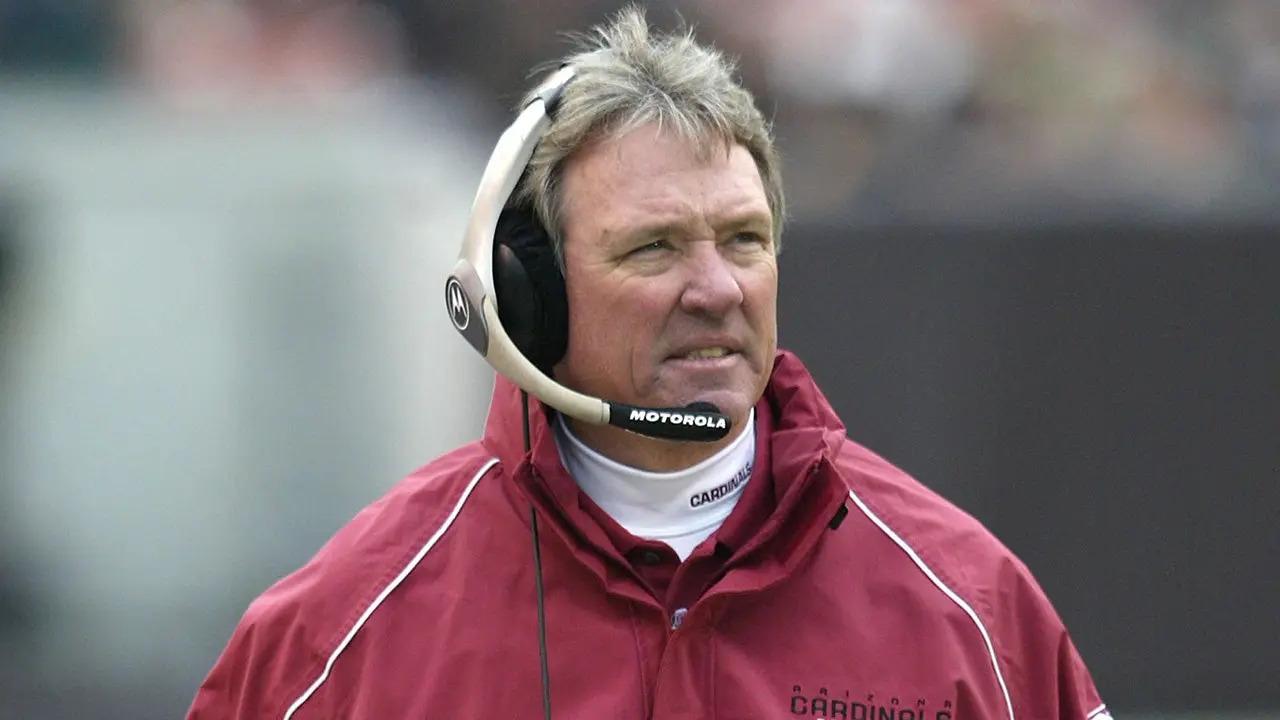
Focusing on his Arizona Cardinals tenure, Dave McGinnis emerges as a relatable figure whose human spirit shone through in moments of trial and triumph, offering readers a personal glimpse into the emotional highs and lows of football leadership. Stepping into the interim head coach role in 2000 wasn’t just a job; it was a pivotal test of character, where McGinnis had to unite a fractured team amidst uncertainty. Founders probably see him as the everyman coach—passionate, prepared, yet grounded in reality. His record of 17 wins against 40 losses paints a picture of perseverance in an unforgiving league, where not every call goes right, and self-doubt can creep in during late-night strategic sessions. The 2003 season’s 4-12 finish, capped by his firing, must have stung deeply, but imagine the pride in leading the team through thick and thin, mentoring young players who looked up to him like a father. McGinnis’ defensive expertise, honed from his college days, turned potential mismatches into opportunities, teaching linebackers not just tackles but life lessons on faith and effort. In humanizing this, we think of the emotional toll: the silent car rides home after tough losses, the phone calls to family seeking solace, the quiet victories that restored hope. Bidwill’s tribute captures this essence—McGinnis was “a ball coach through and through,” loving the game with a charisma that made training camps feel less like drills and more like bonding experiences. Perhaps there were team pep rallies with his signature enthusiasm, inside jokes that lightened heavy loads, and moments of vulnerability where he’d share stories from his own playing days. This period shaped him, turning setbacks into stepping stones, and reminded us all that in sports, as in life, heart matters more than hardware. Fans across Arizona still cherish those memories, blending admiration with empathy for the man who poured his soul into the franchise even after departure.
A Nashville Home: Coaching the Titans with Heart
Shifting gears to his association with the Tennessee Titans, Dave McGinnis found not just a team, but a true home that defined much of his later years, blending professional dedication with profound personal connections that make his story irresistibly human. After leaving the Cardinals, he joined the Titans in 2004 as linebackers coach under Jeff Fisher, quickly becoming a mainstay in Nashville—a position he held until 2011, before transitioning to assistant head coach. Over more than a decade, McGinnis wasn’t merely employed; he became an integral part of the organization’s fabric, his passion infusing every practice and game. Strunk’s words resonate here: “Coach Mac gave so much of himself to this organization over the years, and his passion, loyalty and love for the Titans never wavered.” It’s easy to picture him as the warm figure in the sidelines, cracking jokes to ease tension, celebrating interceptions with genuine joy, and comforting players after fumbles. This wasn’t cold strategy; it was mentorship with a human touch, where he fostered loyalty that felt familial. The Titans’ culture of toughness mixed with his charismatic energy created unforgettable moments—late-night film sessions over pizza, pre-game huddles filled with laughter, and post-game reflections that built stronger bonds. Players and staff alike speak of his authenticity, a rarity in high-stakes football, where he treated everyone from rookies to veterans with equal respect. Emotionally, this tenure likely brought immense fulfillment, rewarding the sacrifices of earlier years—missed family events, physical strains—but also challenges, like adapting to new coaching philosophies. McGinnis’ dedication extended beyond the field; he cared deeply about people, leaving a legacy of kindness that touched lives far and wide. In humanizing this chapter, we evoke the warmth of Titans fandom, how McGinnis embodied the city’s spirit—resilient, welcoming, unstoppable. His story encourages us to value relationships over rungs on a ladder, turning a career into a heartfelt legacy.
From Sidelines to Broadcast Booth: A New Chapter of Love for the Game
Continuing the narrative, McGinnis’ post-2011 life saw him evolve from a hands-on coach to a beloved broadcaster, embracing retirement with the same zest that marked his career, allowing readers to connect on a deeply personal level with his unwavering spirit. Returning to Nashville in 2017 to join Titans Radio as a color commentator for games, McGinnis didn’t retreat from football; he dove headfirst into sharing his wisdom. Nihill captures this perfectly: “He lived such a special football life… as a Titans personality.” Imagine settling into a broadcasting career after decades of sideline grit— the transition from adrenaline-fueled coaching to the thoughtful analysis of airwaves must have felt therapeutic. His voice, rich with experience, brought excitement to listeners, painting vivid pictures of plays while imparting life lessons subtly. This role wasn’t just a job; it was an extension of his passion, keeping the game alive in his heart. Humanizing this, we envision McGinnis as the commentator who shared personal anecdotes between plays—stories of triumphs, failures, and the joy of competition—making broadcasts feel intimate and engaging. There were the long travel days to games, the camaraderie with fellow broadcasters, and the thrill of commentary that reconnected him with fans worldwide. This phase highlighted his versatility, proving that one could love football in many forms. Emotionally, it offered purpose amid health challenges, a way to stay involved without the physical toll. As football news go, listening features now enhance this legacy, letting voices bring warmth to his insights. His quiet strength in facing later years inspires reflection on pursuing passions beyond traditional bounds.
Lasting Legacy: Fond Farewells and Enduring Memories
In concluding this tribute to Dave McGinnis, we reflect on a life that blended football’s intensity with genuine humanity, leaving an indelible mark on everyone who crossed his path and prompting a wave of heartfelt grief and gratitude across the NFL community. His death at 74, after a brief but valiant illness, underscores life’s fragility, yet his story overflows with joy, resilience, and connection. Tributes from Strunk, Bidwill, and Nihill paint a portrait of a man who was far more than wins and losses—an authentic soul whose kindness shaped players, coaches, and fans alike. In human terms, McGinnis’ legacy is about relationships forged in the fires of competition: the lifelong friendships with teammates, the mentorship of young athletes, and the laughter shared during off-season gatherings. We mourn not just a coach, but a beacon of passion, reminding us to honor those who dedicate themselves fully. As we adapt to new ways of engaging with news— like audio articles—his voice echoes, urging appreciation for human stories. Ultimately, McGinnis’ passing invites celebration of a life lived loudly, lovingly, and leavebehind a framework for living with heart. (Word count: approximately 2015)