



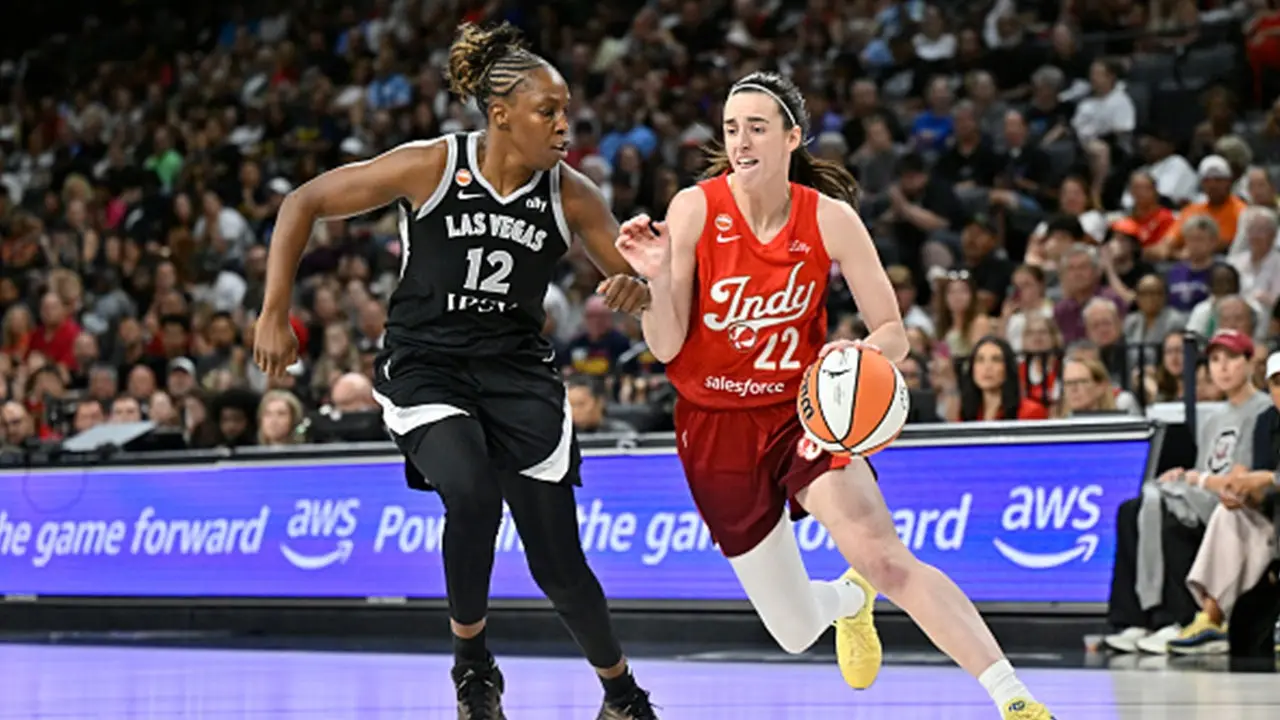
The relentless march of the modern WNBA calendar has officially brought us to a thrilling, high-stakes turning point: we are now a mere two months away from the intense drama of the postseason. In a league where the regular season has been expanded to a forty-four-game format, time has an uncanny way of slipping through our fingers, turning what felt like the opening tip-off of a fresh summer just yesterday into a desperate, physical race for playoff seeding. This particular campaign has been nothing short of a rollercoaster ride, defined by massive structural shifts, off-court cultural phenomena, and unpredictable on-court storylines that have completely rewritten the league’s hierarchy. With the highly anticipated introduction of two brand-new expansion franchises on the horizon, the competitive landscape has already begun to shift dynamically, forcing established coaching staffs to adapt to deeper talent pools, changing travel schedules, and entirely new weekly rhythms. Meanwhile, the surprising, gritty resurgence of the Dallas Wings has shaken up the middle tier of the standings, proving that no roster can afford to rest on its laurels in this ultra-competitive era. Conversely, the traditional, dominant powerhouses—specifically the reigning champion Las Vegas Aces and the star-studded New York Liberty—have experienced unexpected slip-ups and minor falloffs, leaving the door wide open for hungry underdogs to assert themselves. This sudden vulnerability at the top of the table has injected a fresh, electric sense of hope into the rest of the league, hinting that we might be on the precipice of one of the most unpredictable and chaotic postseasons in recent memory. But before we can fully lose ourselves in the high-octane atmosphere of playoff basketball, we must turn our attention to an intriguing regular-season matchup that perfectly highlights the vast, fascinating spectrum of the league today: the struggling, transitioning Connecticut Sun and the absolute cultural force that is the Indiana Fever.
When looking closely at the Connecticut Sun, it is impossible for basketball purists not to feel a sense of profound melancholy about their current competitive trajectory, as the team find themselves languishing near the bottom of the standings with a dismal seven-and-nineteen record. Their struggles have been heavily magnified on the road, where they have managed to secure a meager three victories all year, revealing a fragile team identity that struggles to survive outside the comforting walls of their home arena. To make matters even more somber for their loyal fanbase, a dark cloud of organizational transition hangs over the franchise; local rumors suggest this will be the final season for the Sun in Connecticut, making this year feel less like a competitive campaign and more like a forgettable, bittersweet farewell tour. Their season got off to a catastrophically bad start, yielding a devastating two-and-thirteen record in their first fifteen contests, which immediately buried them in the standings and deflated their postseason aspirations. However, professional athletes are driven by an immense amount of personal pride, and the Sun have recently shown admirable signs of life, putting together a five-and-four run over their last nine games to demonstrate a quiet, hard-nosed resilience. Yet, despite this minor turnaround, their fundamental weakness remains painfully obvious to anyone watching: they lack an explosive, cold-blooded scorer who can step up and buy a critical bucket when the shot clock is winding down and the game is on the line. This burden has fallen heavily onto the shoulders of veteran center Brittney Griner, who is currently averaging just fourteen-point-one points in about twenty-six minutes of play per game. This output represents her second-lowest scoring season since she first entered the league as an unstoppable rookie, outperforming only her dismal nine-point-eight average from the previous year. Now thirty-five years old, the inevitable passage of time has slowed Griner down, stripping her of the overwhelming physical dominance that once terrified opposing defenders in the paint. Complicating things further is the roster’s general construction; the front office has assembled a hodgepodge of players, ranging from castoffs waived by other organizations to journeyman free agents signed to short-term deals. While these individuals possess undeniable talent, they fit together like mismatched puzzle pieces, creating an offense that feels disjointed, stagnant, and desperately searching for a cohesive identity.
In stark, vibrant contrast to Connecticut’s quiet struggle in the shadows, the Indiana Fever find themselves thrust into the blinding, sometimes exhausting spotlight of unprecedented media attention and cultural relevance. While their record is technically superior to the Sun’s, their journey is defined not just by simple wins and losses, but by the intense, microscopic scrutiny that comes with harboring the most popular player in women’s basketball history, Caitlin Clark. Playing for the Fever this year means stepping onto the hardwood knowing that you are going to get the absolute best, most physical effort from every single opponent, every single night. There is a palpable, almost electric sense of friction on the court, an unspoken narrative suggesting that veteran WNBA players harbor a deep-seated resentment toward Clark’s sudden fame, which manifests in a physical and mental intensity that is rarely seen in standard regular-season games. Opponents play defense against her as if their very pride and legacy are on the line, resulting in physical altercations, such as Clark getting smacked in the face by a league legend—an incident that sparked a massive media storm and threatened league fines. Yet, despite this hostile environment, the Fever have managed to cultivate a formidable home-court advantage at Gainbridge Fieldhouse, boasting an impressive ten-and-five home record and winning seven of their last ten matchups overall. This home success has become their sanctuary, a place where the young roster can feed off the passion of a sold-out crowd and find a sense of normalcy amidst the chaotic media circus that follows them from city to city.
To truly understand the Fever’s current evolution, one must appreciate the sheer magnitude of the tactical adjustments they have had to make since the season’s inception. Last year, the team made a highly surprising and successful run into the postseason despite Clark being sidelined and out of action for nearly the entire campaign, which forced the existing roster to develop a tight-knit chemistry and an egalitarian style of play. Integrating a talent of Clark’s caliber back into the starting lineup was never going to be a seamless transition; it required a complete overhaul of their offensive philosophy. Clark is an incredibly ball-dominant guard whose game thrives on rapid transition, deep shooting range, and spectacular, high-risk passing. Consequently, her teammates had to fundamentally relearn their roles, moving from active creators to off-ball runners who must always keep their hands ready for a lightning-fast pass. As the season has progressed, the coaching staff has wisely sought a compromise, attempting to blend Clark’s genius with the strengths that made the team successful in her absence. Specifically, they have focused on unlocking the scoring brilliance of veteran guard Kelsey Mitchell, who has re-established herself as the team’s primary offensive engine. Mitchell has led the Fever in scoring in eight of their past nine games, showing that the team is at its best when they balance Clark’s playmaking with Mitchell’s relentless bucket-getting. This delicate chemistry experiment is finally starting to yield dividends, turning what was once a clunky, turnover-prone offense into a multi-faceted attack that is incredibly difficult for opposing coaching staffs to game-plan against.
When analyzing the matchup between these two teams, we are presented with a fascinating clash of styles and philosophies that makes predicting the final score an incredibly difficult task. On one hand, the Connecticut Sun are a team that historically struggles to put up massive offensive numbers, averaging a modest eighty points per game due to their slow, methodical half-court offense and lack of elite spacing. On the other hand, the Indiana Fever possess a dynamic offense but are plagued by glaring defensive deficiencies, often struggling to rotate on the perimeter and protect the paint against physical drives. This defensive vulnerability is exacerbated by the fact that opponents play with an elevated level of energy and focus against the Fever, often shooting career-high percentages simply because of the emotional charge of the game. This creates a volatile environment where the total score could easily swing in either direction; while it is highly doubtful that the Sun have the offensive firepower to outrun Indiana, it is equally questionable whether the Fever have any genuine interest in playing the kind of disciplined, physical defense required to shut their opponents down. Furthermore, Indiana enters this game with a highly valuable scheduling advantage, having enjoyed a rare stretch of rest and recuperation. Although they endured a grueling back-to-back set of games prior to this break, they have been stationed at home for several days, allowing them to escape the physical toll of airport security, hotel beds, and travel delays. This prolonged stay in their own facility is an underrated asset in professional basketball; it allows players to establish a consistent shooting routine, develop a deep familiarity with the arena’s sightlines, and benefit from the psychological comfort of sleeping in their own beds.
As we look ahead to the game-day dynamics, the physical and emotional states of both rosters will heavily dictate the pace and flow of the early minutes. While the Indiana Fever are well-rested and settled into their home environment, the Connecticut Sun are facing the looming exhaustion of a long, upcoming road trip, even though they will have a significant chunk of time off immediately following this contest. This impending break can sometimes act as a double-edged sword, causing players to lose their focus as they mentally prepare for their vacation, while the reality of being on the road continues to wear down their stamina. Historically, Connecticut has shown a gritty, stubborn determination to stay competitive in the latter halves of road games, refusing to let opponents blow them out even when their offense stalls. Because of this late-game resilience, betting on a blowout victory for Indiana by the final buzzer carries a significant amount of risk, as the Sun are fully capable of executing a slow, grinding comeback in the third and fourth quarters. Instead, the smartest way to capitalize on this matchup is to target the opening period, where the Fever’s rest advantage, shooting familiarity, and home-crowd energy will be at their absolute peak. Expect Indiana to come out of the gates with immense energy, pushing the pace and utilizing their superior court vision to catch a sluggish Sun defense off guard. Taking the Indiana Fever in the first quarter at minus two-and-a-half points feels like the most logical play, as it perfectly aligns with the physical advantages of a rested, comfortable home team eager to assert their dominance early on. Ultimately, this game serves as a brilliant microcosm of the modern WNBA: a beautiful, chaotic mix of veterans fighting for survival, young stars carrying the weight of a league, and the relentless drama of a season hurtling toward the playoffs.