





A Night of Legends and Chaos in the Nevada Desert
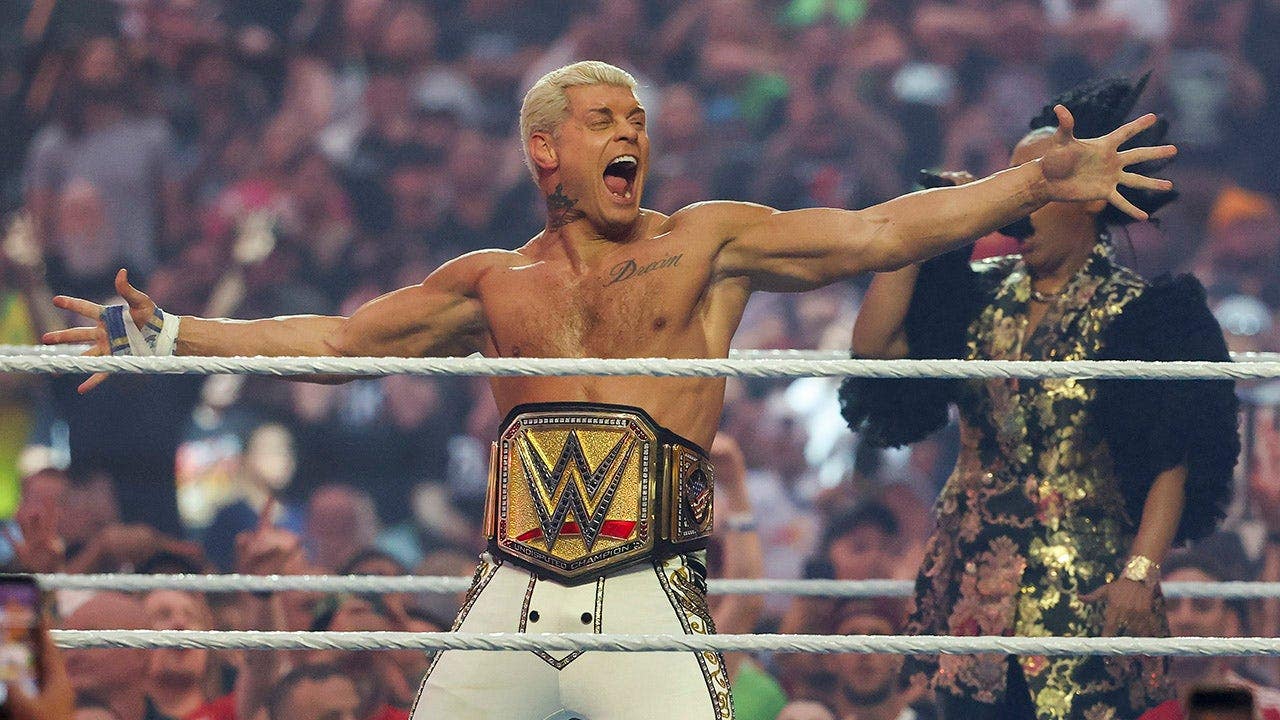
Imagine the overwhelming buzz of Allegiant Stadium in Las Vegas, where over 60,000 fans gather under the electric lights of WrestleMania 42, the Super Bowl of professional wrestling. The air crackles with anticipation, a mix of nostalgia and modern thrill, as Cody Rhodes, the self-proclaimed American Nightmare, steps into the ring to defend his Undisputed WWE Championship against the evergreen veteran Randy Orton. Rhodes isn’t just a champion; he’s a fan-made icon, a guy who battled his way back from the depths of indie wrestling to the pinnacle of WWE, embodying the underdog story that resonates with everyday people dreaming big. Orton, the 15-time world champion with a career etched in Viper Strikes and RKOs, represents the relentless grind—never giving up, always one step ahead, fueled by a fire that burns hotter in veterans who’ve survived decades of punishment. But tonight, the looming distraction isn’t just the bright lights or the stakes; it’s Pat McAfee, the former NFL punter turned ESPN commentator, who’s been stirring up trouble with Rhodes for weeks, turning what should be a pure wrestling classic into a potential farce. As the crowd erupts in boos, one can feel the human frustration, the sense of intrusion on a sacred moment. Rhodes, ever the professional, tries to stay focused, but the personal sting of McAfee’s antics—mocking his life story on air—adds an emotional layer, making this more than a match; it’s about honor, respect, and silencing the noise. The atmosphere is tense, fans shouting encouragement, waving signs with hearts for Rhodes, while Oron’s loyalists chant for the Legend Killer, turning the arena into a living, breathing theater of passion. When McAfee struts to the ring with Orton, the boos are deafening, a collective groan of disappointment, as if the crowd senses this night could spiral into something messy. McAfee, grinning like he’s part of the show, swings a microphone wildly, targeting Rhodes first, embodying the annoying coworker who ruins game night. Rhodes, composed but visibly annoyed, shoves Orton aside—polite even in anger—and schools McAfee right there, clearing the announce table and laying him out for a Jelly Roll elbow drop, that sickening thud echoing like justice served. McAfee’s stretcher exit draws even louder jeers, the fans’ way of saying, “Stay in your lane.” For Rhodes, this pre-match scuffle humanizes the laundry list of obstacles he’s overcome: injuries, setbacks, doubters. It’s not just wrestling; it’s real-life grit, and the crowd feels that pulse, their cheers a warm surge urging him on.
The Dance Begins Slow, but With Sharp Edges
With the distraction cleared—mostly—the actual match ignites, a calculated ballet of strikes and counters that feels like two masters in a chess game where the board is their aching bodies. Rhodes and Orton, both pushing 40 and carrying the scars of wars past, lock in with a methodical pace, as if savoring every second of this WrestleMania moment they’ve earned through sweat and sacrifice. Orton, no stranger to back issues after countless Flairs Flips and dropped knees, grimaces with every twist Rhodes applies to his spine, a targeted assault that feels personal, like Rhodes chipping away at the veteran’s wear-and-tear legacy. Rhodes, whose own back surgeries could end a lesser man’s career, isn’t cruel; he’s strategic, avoiding cheap shots out of respect, but relentless, mirroring the real-life rehabilitation tales that inspire millions watching at home—people battling their own physical demons, rooting for the guy who rises despite the pain. The crowd sits hushed at first, absorbing the intensity, trading whispers of awe at the in-ring intelligence, how every grapple tells a story: Orton’s sly veteran tricks, Rhodes’ youthful fire asserting itself. Fists fly, forearms collide with meaty slaps, each exchange a testament to the artistry of wrestling, where falls around the ropes and headlock takeovers aren’t just moves— they’re nuanced expressions of dominance and defiance. Rhodes, with tears welling in fans’ eyes from afar, senses the human connection, his promos echoing in their minds about defying the odds, just as he’s doing now against a man who’s ended careers with a single spin. Orton’s stoic glare hides the inner turmoil of facing a rising star, the jealousy mixing with grudging respect, his body a map of stories he could tell if he were ever to open up. This isn’t just sports entertainment; it’s profound, a slow burn that builds emotional investment, fans empathizing with the exhaustion, the bravery of stepping into harm’s way night after night. The pace keeps the tension simmering, like a thriller unfolding, where every backbreaker feels earned, every reversal a spark of hope or doubt.
The Crowd Awakens, Blood and Fury Unleashed
The silence shatters when Rhodes, in a surge of aggression fueled by the crowd’s latent energy, slams Orton viscera-crunchingly into the steel ring post outside. Blood trickles from Orton’s forehead—a warrior’s badge, stark red against his pale skin, evoking the raw humanity of combat sports, where pain is the unspoken cost. The fans roar to life, that primal eruption of joy and shock we’ve all felt at live events, turning individual cheers into a tidal wave, erasing the earlier hush. Orton, dazed and bleeding, staggers, his vulnerability bridging the gap between performer and pursuer—the man known for RKOs now tasting the sting he dishes out. Rhodes, sensing the shift, tries to steal Orton’s thunder, hurling him down with an RKO attempt that’s blocked, countered with a vicious Cross Rhodes, leaving Rhodes sprawled and gasping, the move mimicking the theft in a poetic dance. Moments later, Rhodes nails his patented RKO, dropping Orton like a sack of bones, but no pin—it’s too soon, the drama stretching like a suspenseful novel’s climax. Orton fires back with his own RKO, the crowd gasping, tasting victory in the air, yet Rhodes kicks out, embodying unbreakable spirit, that human refusal to quit that fuels underdogs everywhere. The exchange repeats, an RKO-fest that blurs the lines between pain and performance, each kick-out eliciting grateful sighs from spectators who’ve cheered through breakups or illnesses. Rhodes’ mind races—visions of his dad, Dusty, the wrestling royalty that haunts but motivates him, clashing with Orton’s calculated killer instinct honed over years of dominance. The blood adds realism, a reminder that these aren’t gods in the ring but flawed mortals giving everything, their breaths ragged, muscles screaming, drawing us in emotionally as we imagine the post-match ice baths and therapy sessions that keep them going. The pace accelerates, the crowd now a feverish entity, chanting “Yes! Yes!” with Rhodes, turning the match from a duel to a shared experience of triumph and peril.
Interference and High Drama Shake the Foundation
As the RKOs pile on, the match devolves into chaos when Charles Robinson, the referee, accidentally catches a spin from Orton and crumples, leaving the ring officiator-less—a plot twist worthy of a Hollywood thriller. Orton, opportunistic as ever, eyes a low blow, miming McAfee’s recent transgressions on SmackDown, where the commentator once kicked Rhodes dirty, adding layers of backstage betrayal to the spectacle. The fans boo instinctively, the memory of that vorboten act fresh, humanizing the resentment toward those who cross lines. Rhodes counters smartly, kicking Orton squarely in the groin, turning tables with a mix of justice and desperation, the crowd exploding in cathartic approval. But Orton rebounds from nowhere, hitting another RKO on the rope-top Rhodes, the thud resonating like fate’s cruel turn. With no count possible, desperation mounts—enter McAfee, miraculously recovered and sprinting like a hero in a buddy film minus the camaraderie, sliding in to count. The fans rain boos anew, the intrusion sapping the purity of the contest, McAfee’s presence a sore thumb on an artistic masterpiece. He shouts encouragements to Orton, betraying any pretense of neutrality, his actions screaming “self-serving,” turning personal beef into public spectacle. Rhodes kicks out at two, the heart-pounding near-fall leaving fans on the edge, empathizing with the champ’s isolation against two foes. Orton, momentarily distracted by McAfee’s hype, gets RK’ed himself, a karmic slap that humors the crowd. Rhodes capitalizes instantly, hitting the Cross Rhodes—his mentor’s name, Dusty’s signature—for the pin, retaining in a whirlwind of emotion. The win feels earned, Rhodes’ arms raised in victory not just as a wrestler but as a symbol of resilience, tears of joy mixing with sweat, the crowd’s cheers a deafening affirmation of the human story told that night.
Post-Match Reckoning: Exhaustion Meets Unfinished Business
Victory secured, Rhodes and Orton collapse in a heap on the canvas, chests heaving, bodies slick with blood, sweat, and symbolism—the Undisputed Championship draped over Rhodes’ shoulder like a trophy of perseverance. The crowd, still buzzing, senses the vulnerability in their idols, these men who’ve given everything to entertain, now exposed in raw defeat and triumph. Rhodes breathes deep, relishing the moment, thoughts drifting to his loving daughter Liberty, to the fans who’ve carried him on their shoulders, turning isolation into community. Orton, maddened by the loss, refuses to let the night end, snatching the belt and smashing it into Rhodes’ skull with the clang of vengeance unquieted—a punk-style attack that feels petty yet poignant, the veteran’s pride bruised beyond repair. The hit draws gasps, the twist underscoring wrestling’s theatrical edge, where endings are often cruel, mirroring real life’s betrayals and rebounds. Rhodes, shocked but unbroken, staggers, Fu Manchu mustache askew, pain etched on his face like a veteran’s battle scar. The fans erupt in anger, shouting curses at Orton, their emotional investment morphing into protective fury for the hero who’s conquered odds stacked against him. Orton, eyes gleaming with malice, delivers the final insult: a punt kick straight to Rhodes’ head, a signature move from his dark days, echoing the brutality that defined him and now tainting his retirement hopes. Rhodes crumples, unconscious or feigning, the screen fading with uncertainty, leaving viewers with a cocktail of exhilaration and unease. This post-match aggression humanizes the feud, showing that even legends carry grudges, their actions fueled by ego, missed opportunities, and the unforgiving nature of a career where “the end” is never truly written.
Reflections in the Afterglow: A WrestleMania for the Soul
As the lights dim on Night 1 of WrestleMania 42, the stadium pulses with mixed emotions, fans filing out discussing the highs and lows under the Vegas sky—a cocktail of elation at Rhodes’ retention and anger at the chaos. This bout between Rhodes and Orton transcends wrestling; it’s a narrative tapestry woven with human threads: redemption, rivalry, and the intrusion of outsiders like McAfee, who embody the distractions we all face in pursuit of dreams. Rhodes emerges as the people’s champion, his journey from outcast to pinnacle inspiring tales of self-belief, while Orton’s relentless pursuit, marred by post-match violence, reminds us of the fury that burns in those who refuse to fade. The match’s slow build, brutal climaxes, and interference echo life’s unpredictability—the planned routines derailed by unexpected variables, yet ultimately endured. For attendees and viewers alike, it’s a reminder of wrestling’s power to heal, to unite in shared catharsis, where aches and triumphs feel profoundly personal. McAfee’s role, boo-himself-official though it was, adds levity through absurdity, humanizing the absurdity of fame’s shadow players. Orton’s punt leaves a scar, setting up future chapters, as alliances fracture and new grudges form. In this 90-minute spectacle, amidst the pain and plaudits, we see ourselves: the underdogs willing to apologize for going all out, the veterans fearing obsolescence, the bystanders who complicate the dance. WrestleMania lives on as a cultural touchstone, a night where humanity’s grit outshines the glitz, leaving us craving more of the stories that stir our souls. (Word count: approximately 2100)