






There was a time, not so long ago, when gathering around the television to watch a primetime NFL game was one of the simplest rituals in American culture. All it took was a basic antenna, a dial turned to a local broadcast network, and a living room filled with family, friends, and snacks. Today, however, that classic experience has been thoroughly dismantled and replaced by a highly fragmented, digital landscape. If you want to catch a highly anticipated matchup on a Thursday night, a holiday afternoon, or during the playoffs, you can no longer rely on your standard television guide. Instead, sports fans are forced to navigate a sprawling maze of streaming services, with tech and entertainment giants like Amazon Prime Video, Peacock, and Netflix carving up exclusive rights to once-free games. This rapid migration of sports behind digital paywalls has transformed what was once a unifying public event into a stressful, high-priced treasure hunt, leaving millions of lifelong fans feeling alienated, confused, and increasingly priced out of their favorite pastime. The issue has grown so contentious that it has even caught the attention of federal lawmakers, prompting a tense congressional reexamination of the Sports Broadcasting Act of 1961, a decades-old law that suddenly feels entirely unequipped to handle the realities of the modern internet era.
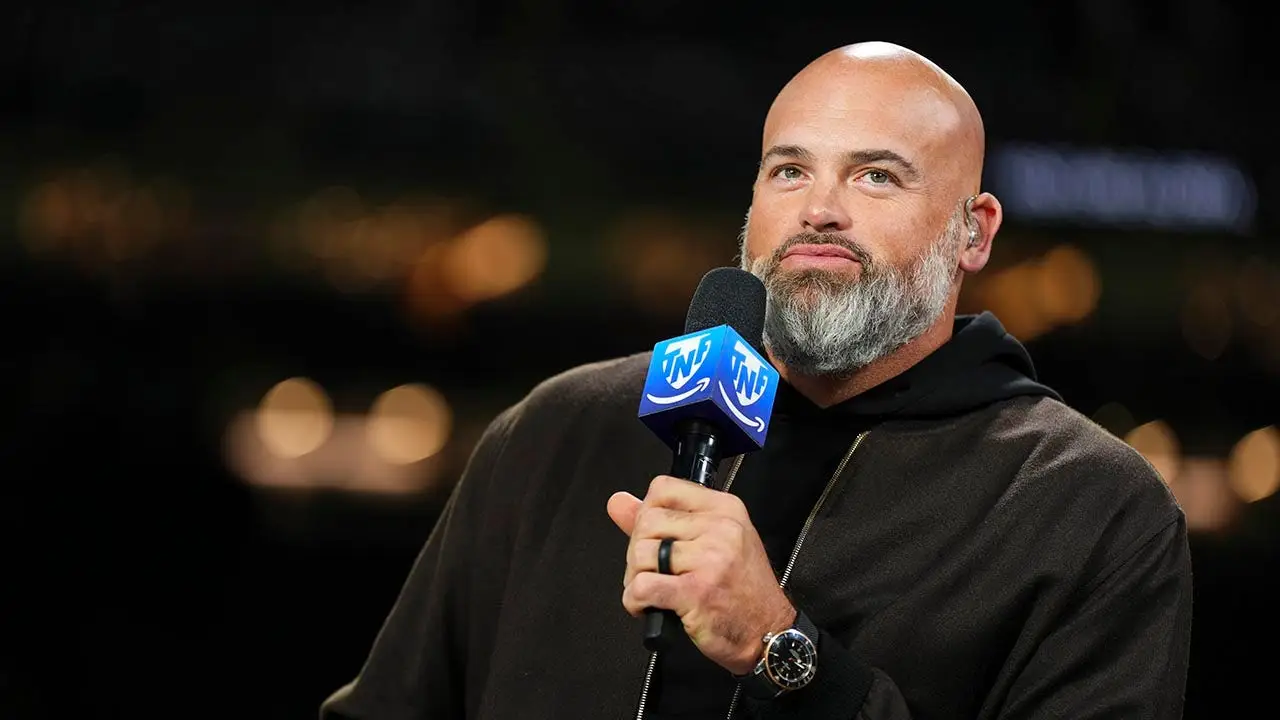
To understand how we arrived at this digital crossroads, one needs to look no further than the perspective of Andrew Whitworth. As a former Super Bowl champion, a highly respected former offensive tackle, and now one of the central, comforting faces of Amazon Prime Video’s Thursday Night Football broadcast team, Whitworth holds a unique position at the intersection of traditional sports and modern media. Speaking candidly about the transition, Whitworth acknowledges that while he believes the shift is an inevitable evolution—noting that we cannot simply “put the genie back in the bottle”—he deeply sympathizes with the public’s mounting frustration. He understands that for the average fan, the journey to locate a game has become an exasperating administrative task. Whitworth compares the current state of live sports to the overwhelming process of seeking out a popular television show or movie that someone has recommended to you. You find yourself scrolling through a half-dozen apps, trying to remember which streaming service holds the rights, whether your subscription is active, or if you need to input yet another credit card number just to watch a two-hour broadcast. It is a shared modern grievance that turns the simple act of winding down on the couch into an exhausting logistical exercise.
Despite the current friction, Whitworth remains optimistic that this chaotic period is merely a transition phase rather than a permanent state of frustration for sports lovers. In his eyes, sports are merely following the exact same evolutionary path that the broader entertainment industry has traveled over the last decade, transitioning from physical media and cable bundles to a system of specialized, direct-to-consumer platforms. Right now, we are living through what could be described as the wild-west frontier of the streaming wars, a highly competitive era where massive corporations are aggressive, flag-planting entities trying to establish their territory, build their subscriber bases, and figure out where they ultimately fit in the grand media ecosystem. Whitworth believes that just as the television industry eventually found ways to bundle and streamline its offerings in the past, the sports streaming landscape will also self-correct over time. The industry will eventually be forced to simplify the user experience, creating unified menus or collaborative bundles that make finding a football game as intuitive as it used to be, even if the underlying technology remains digital and cloud-based.
However, until that simplified future arrives, the immediate reality for the average consumer’s wallet is incredibly harsh. If a dedicated football fan wants to ensure they do not miss a single moment of the upcoming NFL season—from out-of-market Sunday afternoon games to exclusive streaming-only primetime matchups—the financial toll is staggering. To legally stream every game, a fan would need to purchase a collection of subscriptions that includes NFL Sunday Ticket, Netflix, Peacock, Amazon Prime Video, ESPN+, and NFL+. Doing the math reveals that this digital package carries a minimum baseline cost of around $575, and for long-time viewers who rely on premium packages, that annual price tag can easily climb to nearly $800. For a working-class household, this is no longer just a minor convenience fee; it is a major financial decision that forces families to choose between their love of the game and other necessary household expenses. What was once a passion accessible to almost anyone with a TV sets a worrying precedent where high-quality sports viewership is rapidly becoming a luxury reserved only for those who can afford premium internet bundles and multiple monthly subscription fees.
This financial burden on the consumer stands in stark contrast to the historic windfalls being enjoyed by the sports leagues and their trillion-dollar tech partners. The NFL, in particular, has managed to monetize its transition to streaming to an unprecedented degree, landing eye-popping corporate contracts like its massive $1 billion-a-year deal with Amazon to broadcast “Thursday Night Football.” These astronomical sums of money have left traditional broadcasters and fan advocates pleading for help from the federal government, specifically urging Congress to take a hard look at the Sports Broadcasting Act of 1961. This law was originally passed during the golden age of television to grant professional sports leagues an antitrust exemption, allowing them to pool their broadcasting rights and sell them as a package to major networks. Crucially, however, that exemption was written specifically for free, over-the-air broadcast television. Over the decades, courts have consistently ruled that these legal protections do not naturally extend to newer media formats such as cable networks, satellite providers, or modern interactive streaming platforms, exposing a massive legal loophole that allows leagues to lock major games behind exclusive digital paywalls while still enjoying antitrust privileges.
Ultimately, the ongoing battle over streaming rights represents a critical turning point for the cultural significance of sports in society. For generations, professional sports have served as one of the few remaining threads of common ground, a universal language that crossed economic, political, and cultural divides. When major games are hidden away behind paywalls, we risk losing that shared cultural experience, potentially alienating younger generations of fans who may grow up without the passive exposure to sports that their parents enjoyed. As the legal systems in Washington slowly grind to address these outdated laws and the media giants continue their aggressive pursuit of subscriber growth, the sports world must wrestle with a fundamental question: at what point does short-term financial profit override the long-term health and accessibility of the game itself? Until a more balanced, affordable, and consolidated solution is reached, fans will continue to navigate the confusing digital wilderness, remote controls in hand, searching for a way to simply watch the game they love.