





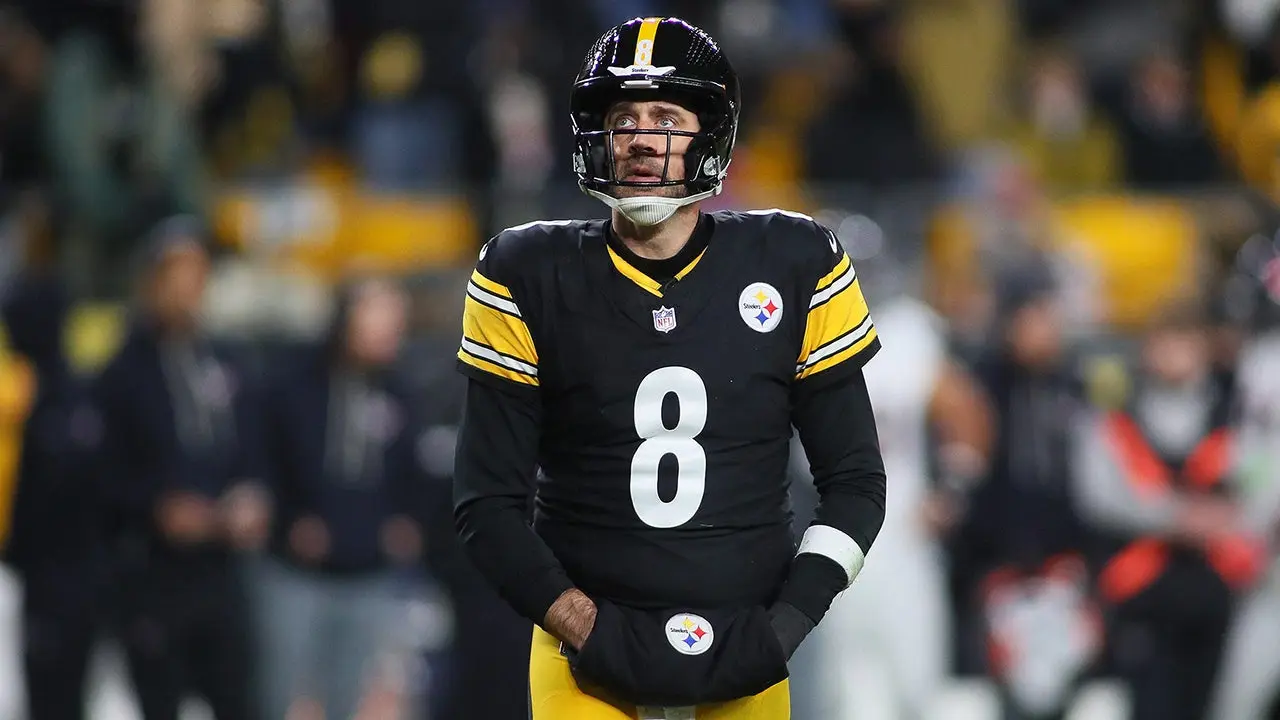
The late-summer sun beat down on the practice fields of the Pittsburgh Steelers’ training camp, casting long shadows across the turf as fans gathered in quiet anticipation of what everyone knew was the beginning of the end. There is a specific, heavy kind of magic that accompanies the final chapters of a legendary sporting career, an atmosphere thick with nostalgia and the acute awareness that every pass, every call at the line of scrimmage, and every sweat-drenched sprint is being recorded into the annals of football history. At forty-two years old, Aaron Rodgers walked onto the field not just as a quarterback entering his twenty-second NFL season, but as a living monument to the game itself, carrying the collective dreams of a city that lives and breathes gridiron legacy. The air was charged with what franchise icon Jerome Bettis described as a palpable, electric excitement, a communal understanding that they were witnessing the final act of one of the greatest quarterbacks to ever spin a football. When Rodgers finally stepped up to the press conference podium on Monday, looking out at a sea of reporters who have tracked his every move for over two decades, he did not offer the usual evasive platitudes of an athlete clinging to youth; instead, he offered the simplicity of absolute finality, looking directly into the cameras to declare, “This is it.” It was a moment of profound vulnerability and clarity, stripping away the complex enigma that has often characterized his public persona and replacing it with the quiet peace of a man who has finally found his destination, ensuring that even the most cynical onlookers understood this was no longer a negotiation with time, but a graceful farewell.
The road to this final destination was paved with quiet contemplation, late-night doubts, and a dramatic coaching shift that ultimately redrew the landscape of the entire franchise. For months, the NFL community had waited in a state of suspended animation, wondering if the iconic signal-caller would finally hang up his cleats or if there was still one more spark left in his legendary right arm. The turning point arrived when the Steelers made the seismic decision to part ways with their long-time, champion sideline leader Mike Tomlin, turning the page to a new chapter by hiring Mike McCarthy as their next head coach. The reunion of Rodgers and McCarthy is the stuff of sports mythology, representing a homecoming of the spirit that instantly revived the shared history of their fifteen highly successful, occasionally turbulent, but ultimately championship-winning seasons together under the frozen lights of Lambeau Field in Green Bay. This sudden alignment of destiny acted as a powerful catalyst for Rodgers, who admitted that the hiring of his former mentor was the essential bridge that allowed him to envision one final ride into the sunset. The deep-seated rapport between the two men, built on thousands of shared hours in film rooms, legendary victories, and the shared scars of professional football, provided a sense of safety and familiar rhythm that made the grueling daily demands of an NFL season feel not like a chore, but like a gift to be savored one last time.
Beyond the bright stadium lights and the strategic brilliance of coaching reunions, the decision to return for a twenty-second season was ultimately rooted in the quiet, intimate spaces of Rodgers’ personal life, away from the roaring crowds and the endless scrutiny of the media. Football at this elite level is a consuming fire that demands everything from an athlete, often leaving very little room for domestic peace, which made the support of his family the ultimate deciding factor in his return. Rodgers candidly shared that he had fully expected the previous season to be his last, planning to transition into the quiet retirement he had earned through decades of physical sacrifice, until the sudden arrival of McCarthy and a gentle, pivotal conversation with his wife changed everything. In the quiet sanctuary of their home, she looked at him and gave him the ultimate clearance, suggesting he give it one more year to see if the pieces would fall into place, a moment of profound personal support that Rodgers credits with reigniting his competitive drive. It is a reminder of the deeply human element that exists beneath the pads and helmets, showing that even the most fiercely independent athletes rely on the grace, wisdom, and encouragement of their partners to make the monumental decisions that shape their legacies. With his wife’s blessing and McCarthy’s arrival, the universe seemed to align in perfect harmony, transforming what could have been a reluctant, media-pressured return into a joyful, unified family pursuit of one last champion’s glory.
Yet, despite the emotional clarity of his decision, the sporting world remains a naturally skeptical place, filled with analysts and peers who have seen countless aging superstars announce their retirements only to find themselves running back to the field the moment the autumn wind starts to blow. When a reporter confronted Rodgers with the skeptical words of his own top wide receiver, DK Metcalf, who pointed out that players frequently claim they are entering their final season only to go back on their word when the competitive itch returns, the veteran quarterback did not flinch or offer a diplomatic escape route. Instead, Rodgers doubled down with a sharp, unwavering certainty, stating flatly that there was “zero debate” about his future, shutting down any lingering narratives of a potential comeback with the absolute authority of a man who has fully processed his mortality in the sport. This uncompromising stance was a mirror image of the absolute certainty he expressed back in May when he first signed his one-year contract with the Steelers, demonstrating a rare psychological consistency that shows he is not running away from the game, but rather walking toward the next phase of his life with open arms. To play quarterback in the NFL at forty-two requires an immense amount of mental energy, and by completely taking the question of his future off the table, Rodgers has freed himself to play with a rare, unburdened joy, knowing that every single snap is a precious, non-renewable resource.
This final, poetic chapter in Pittsburgh is rendered even more dramatic when viewed through the lens of the difficult journey that brought him to the Steel City, particularly the challenging and often painful chapter he endured during his brief, injury-plagued tenure with the New York Jets. Many believed his legendary career would end in the disappointment of East Rutherford, but his arrival in Pittsburgh for the 2025 season sparked a beautiful, late-career renaissance that proved his genius was far from extinguished. In his inaugural season in the black and gold, Rodgers defied the skeptics by leading the Steelers to a highly respectable 10-6 record, showcasing his signature precision by throwing for 3,322 yards with a stellar 65.7% completion rate, carving up opposing defenses for twenty-four touchdowns against a mere seven interceptions. This impressive performance was not just a statistical triumph, but a deeply human redemption story, proving to himself and the football world that he could still command a locker room, orchestrate a complex offense, and win high-stakes football games in one of the most demanding sports towns in America. The gritty, passionate culture of Pittsburgh, a city that respects hard work, resilience, and history, provided the perfect canvas for Rodgers to paint his masterpiece, transforming him from a displaced legend into a beloved local hero fighting for one last shot at football immortality.
As the team prepares for the grueling journey of the upcoming season, the Steelers’ front office has worked tirelessly to surround their aging general with the weapons necessary to make this final campaign a truly historic success. The roster has been carefully reconstructed to maximize Rodgers’ strengths, highlighted by the acquisition of veteran wide receiver Michael Pittman Jr. in a high-profile trade with the Indianapolis Colts, giving the quarterback a physical, reliable target who can win contested catches in the clutch. The offense has also evolved in the backfield, adjusting to the departure of pass-catching specialist Kenneth Gainwell to the Tampa Bay Buccaneers—a player Rodgers passionately loved to utilize as a safety valve—by signing the explosive Rico Dowdle to form a dynamic, lightning-and-thunder partnership with the relentless Jaylen Warren. These strategic changes reflect a franchise fully committed to honoring the final year of a legend, constructing a balanced, physical offense designed to alleviate the pressure of his forty-two-year-old shoulders while still giving him the tools to slice defenses apart when the game is on the line. When the first whistle blows and the regular season officially begins, it will not just be about chasing statistics or securing playoff seeds; it will be a collective, emotional pilgrimage for a team, a city, and a quarterback who are united in the beautiful, singular pursuit of sending a true titan of the game out as a champion, cementing a legacy that will be talked about for generations to come.