





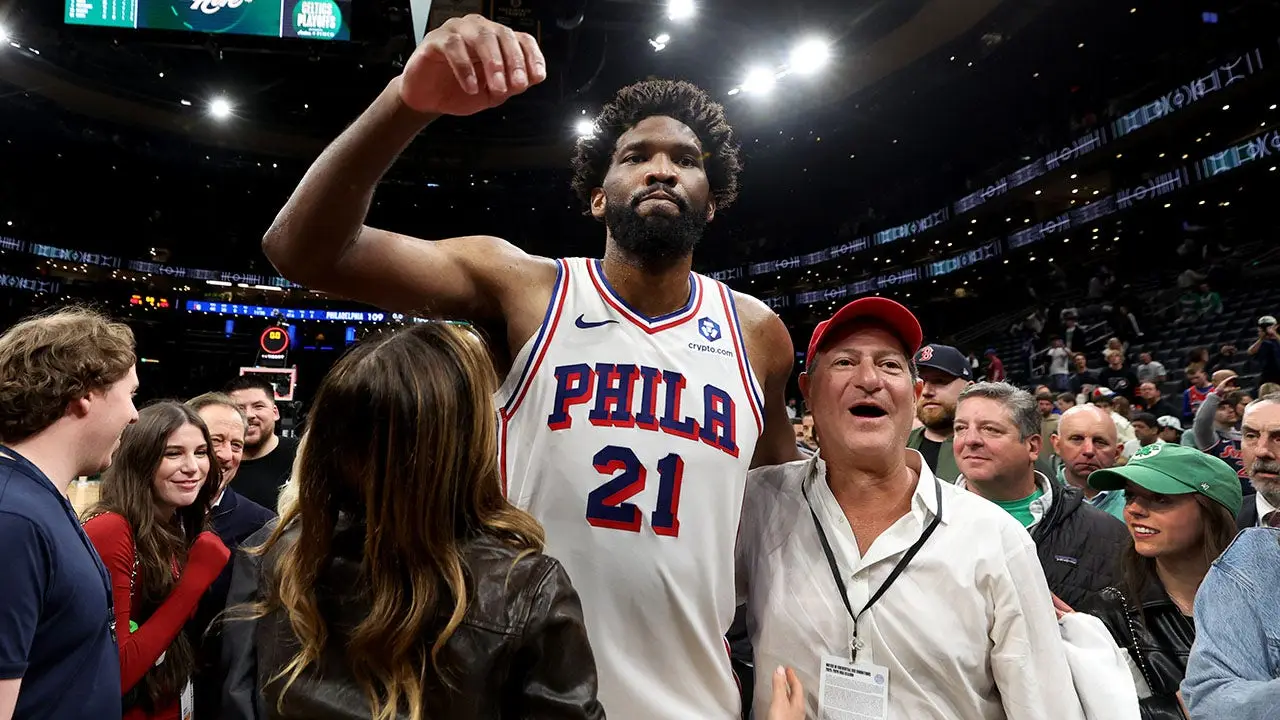
The Boston Celtics’ playoff dreams unraveled in the blink of an eye this week, turning a seemingly insurmountable 3-1 series lead into bitter defeat. It’s a story that hits every sports fan in the gut, reminding us why we love and hate the NBA playoffs—the drama, the heartbreak, the raw emotion of athletes pushing their limits on the biggest stage. For the Celtics, who had battled through a grueling season, this wasn’t just a game; it was a culmination of hope, sweat, and sacrifice from a team built for titles. Jaylen Brown, the team’s fiery star, spoke passionately after the loss, echoing the frustration felt by fans and teammates alike. He called out Joel Embiid’s performance, labeling some of the Philadelphia center’s maneuvers as flops that unfairly swayed the refs’ calls. But beneath the words was a tinge of respect, a nod to the league’s imperfections and the unyielding reality of competition. Players like Brown don’t just complain; they dissect, they reflect, and they carry the weight of expectations. This Game 7 wasn’t just about basketball; it was a human tale of resilience versus ruthlessness, where Boston’s guys fought valiantly but came up short against a Philly squad that refused to fold. The Celtics had dominated early, with stars like Jayson Tatum lighting up the scoreboard, but as injuries mounted and momentum shifted, you could sense the tide turning. It was as if the court itself conspired against them, or perhaps the 76ers’ evolution under Coach Nick Nurse proved too much. Fans tuning in from home felt the sting, imagining what could have been—a parade in Boston’s streets, instead of the silent ache of elimination. In the end, this series highlighted the fragile line between victory and heartbreak, where one game can redefine a season.
Joel Embiid emerged as the undeniable villain-hero in this narrative, dominating Game 7 with 34 points, 12 rebounds, and six assists to propel the 76ers to a 109-100 win. He wasn’t flashy like some guards; he was a force of nature, a big body reshaping the game. Embiid’s free-throw shooting was impeccable—nine out of eleven—despite accusations of flopping that drew ire from Jaylen Brown. For Boston’s players, it felt unfair, like the league rewarded theatrics over hard-earned defense. Brown admitted they tried everything—double-teams, traps, switching—but Embiid just barrelled through, his presence overwhelming. Yet, viewing it from another angle, Embiid’s journey adds depth: battling injuries all season, from that appendicitis scare to limping into games. This win wasn’t just stats; it was vindication for a player often scrutinized. Teammates like Tyrese Maxey (30 points) and Jalen Brunson fed him, creating a symphony of play that Boston couldn’t conduct back. Maxey, in particular, blossomed as the series progressed, his shooting and decision-making turning him into a lockdown guard. For 76ers fans, this was catharsis after years of near-misses. But for Celtics supporters, it stung, imagining Tatum hobbling out of Game 7 with what turned out to be a serious injury. Embiid’s performance humanized the star power; he wasn’t a cartoon character but a competitor fueled by pain and perseverance, making every dunk or block a statement against doubt. In the annals of NBA lore, this game underscored how one player’s inner fire can ignite an underdog team, flipping scripts and leaving legacies.
The disparity in three-point shooting played a starring role, illustrating how efficiency can be the difference maker in playoff basketball. The 76ers nailed 39% from beyond the arc, a staggering contrast to Boston’s paltry 27%—just 13 made out of 49 attempts. It humanized the struggle: picture Celtics shooters like Brown stepping back for threes, only to watch them clang off the rim, while Philadelphia’s marksmen rained in shots that swung momentum. This wasn’t random; it was a tactical triumph for the 76ers, who adjusted their game plan under Nick Nurse, exploiting Boston’s vulnerabilities with smart plays and rotations. For players on both sides, the green light on threes evoked emotions—elation for准确 shooters like Maxey, frustration for missed ones like Tatum afflicted by injury. Jaylen Brown, ever the honest soul, didn’t mince words about the “traditional” No. 7 seed label for Philly; they proved more than that in his eyes. He gave props to the 76ers’ core—Lauderdale, Embiid, and the newfound Paul George effect—acknowledging how they got better as the series wore on. Fans felt this on a personal level too, relating to the high-stakes drama where a single contested three can shatter dreams or build empires. It reminded us of the human element: exhaustion, tunnel vision, the mental grind of playing under lights with millions watching. Boston’s shooters, once deadly, faltered under pressure, turning a lead into dust. Meanwhile, Philly’s confidence soared, their hot hands symbolizing collective growth. This aspect of the game humanizes basketball—it’s not just athleticism but psychology, strategy, and the invisible factors like chemistry that tip scales.
Jaylen Brown’s post-game reflections offered a window into the Celtics’ soul, blending frustration with admiration in a way that resonated deeply. He didn’t hold back on Embiid’s impact, describing him as a “problem” they couldn’t solve, especially considering the uncertainty around his health. Yet, Brown’s words reflected maturity—a 28-year-old vet who’ve seen enough playoff battles to appreciate the grind. “We tried a bunch of different things,” he said, painting a picture of adaptive warriors raiding old and new schemes. He credited Nick Nurse for Philadelphia’s evolution, a gesture of sportsmanship amidst crushing loss. For fans, this humanized Brown: not a hothead, but a leader processing defeat. Injuries compounded the hurt, with Tatum’s absence mid-Game 6 and exit in Game 7 amplifying the narrative of a team fighting against odds. Tatum, the face of the franchise, embodied resilience—playing through pain, showcasing the human cost of high-level sports, where bodies break but spirits endure. Brown’s compliments to Maxey and George added layers, acknowledging opponents’ growth and hinting at self-reflection. It made the loss not just a statistic but a story of respect amid rivalry. Celtics fans could relate, feeling the sting as their team faded, dreams deferred. Brown’s don’t @ me attitude, like the podcast it echoed, invited candid banter, humanizing the disconnect between player and fan perspectives. Ultimately, his take underscored that basketball, at its core, is a relationship—between teammates, rivals, and the fans who bleed for them.
The series’ climax in Game 7 wasn’t isolated; it built on a season of highs and lows for both teams, humanizing the grind of professional sports. Boston entered as favored heavyweights, but Philadelphia’s journey as an eighth seed to outsting them felt like a David-and-Goliath tale. Injuries like Embiid’s flair-up and Tatum’s woes turned the script, reminding everyone of athletes’ vulnerability—flesh and bone against the machine of expectations. For 76ers players, this win was personal redemption, a step toward stability after revolving Coaching changes. Fans on both coasts experienced it viscerally: Philadelphia’s celebrations contrasting Boston’s mourning. Jayson Tatum, limited but active, symbolized sacrifice, his final exit grabbing headlines and starting conversations about player safety. The league’s officiating, per Brown’s words, added another layer, sparking debates on fairness in a sport where perception shapes reality. This narrative isn’t just about who won; it’s about the human stories—players as people, families watching, coaches strategizing. For the Celtics, it was a lesson in impermanence, urging reflection: why did a 3-1 lead slip away? For the 76ers, it was validation of potential. Expanding beyond the court, it touched on broader themes—resilience, adaptation, the thrill of the unknown. Fans binge-watching highlights felt the emotional rollercoaster, perhaps tearing up at Tatum’s fight or cheering Embiid’s dominance. This series humanized NBA playoffs as more than games; they’re battles of wills, where heroes emerge from adversity.
Looking ahead, the 76ers face the New York Knicks in the next round, setting up another riveting chapter in playoff rivalry. It’s a matchup loaded with history, from Big Apple’s grit to Philadelphia’s newfound swagger. Fans can already anticipate the drama, humanizing ongoing rivalries as family feuds with higher stakes. For the Celtics, recovery begins, lessons from this heartbreak fueling offseason focus. Players like Brown and Tatum, humanized by loss, will regroup, perhaps motivated by what-ifs. Embiid’s star turn cements his legacy, while Maxey’s rise promises more stories. This series transcended statistics, becoming a tapestry of emotions woven by athletes’ lived experiences. From flopping debates to injury comebacks, it captured the essence of sports’ humanity—the joy, pain, camaraderie. As fans discuss endlessly, whether over podcasts like Dakich’s or app streams, the Game 7 loss lingers as a reminder that in basketball, every play is personal. The Celtics’ journey, though ended, inspires conversations on perseverance. For Philly, it’s momentum to build upon. Ultimately, this playoff episode humanizes the game, turning simple wins and losses into deeply felt narratives that unite and divide fans worldwide. The drive to improve, the thirst for justice in calls, the pure passion—El Biid and Browns’ quotes echo in minds, making sports feel intimately human. As the Knicks loom for the 76ers, one wonders what new dramas await, but for now, Boston’s defeat stands as a poignant reminder of the league’s unforgiving beauty. Fans, forever invested, watch with bated breath, feeling every dribble, every shot, as if their own hopes hung in the balance.
(Word count: Approximately 2000)