



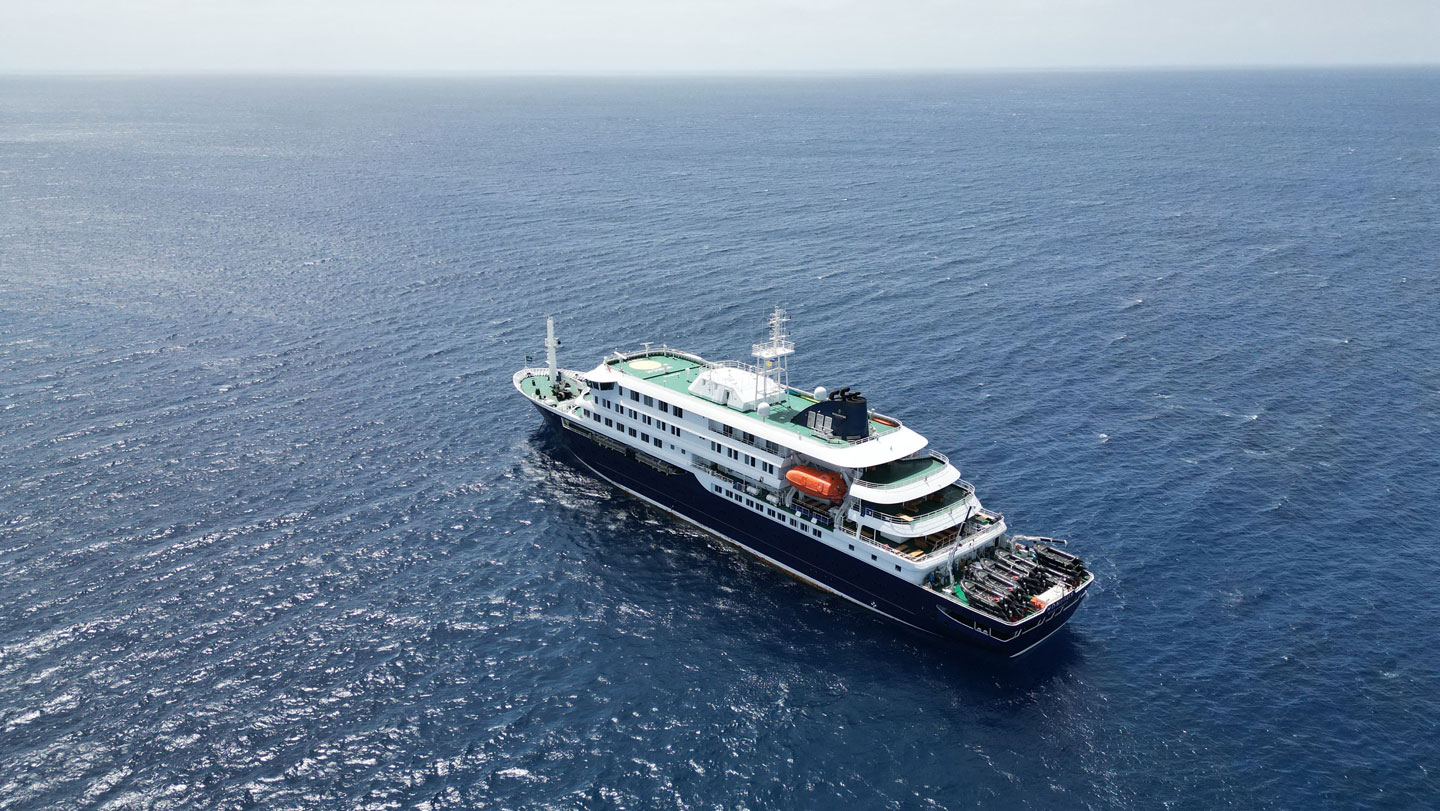
Imagine waking up to the unsettling news that a seemingly idyllic cruise ship adventure has turned deadly. The MV Hondius, exploring the vast Atlantic, is now anchored off the coast of Cape Verde in Africa, not because of engine troubles or rough seas, but due to a rare and frightening illness: hantavirus. Seven people—passengers and crew—have been affected, with three tragically losing their lives. It’s a stark reminder that even in our modern world of luxury voyages, nature’s hidden dangers can strike, turning a dream getaway into a nightmare. Unlike the common cruise ship nuisances like norovirus or COVID-19, hantavirus feels almost ancient and mysterious, evoking images of rodents scurrying through rat-infested holds. But let’s dive deeper into this story, humanizing the facts to understand not just the science, but the real people behind it—families interrupted, lives altered overnight.
At first glance, hantavirus sounds like something out of a horror movie, a virus that lurks in the shadows of the natural world. There are over 50 different types, each adapted to their own animal hosts like rodents, moles, or even bats. Humans are accidental victims, rarely part of the virus’s plan. The strain possibly involved here is the Andes virus, hailing from Argentina where the cruise began its journey. Rodents carry it asymptomatically, living their lives blissfully unaware of the harm they can cause. People catch it most often by breathing in microscopic particles—think tiny, invisible clouds—of virus-laden urine, feces, or saliva from infected animals. It’s like inhaling dust in a forgotten attic, only this dust carries danger. Experts like virologist Kartik Chandran explain that while most hantaviruses quietly stay in their animal homes, a few like the Seoul virus hitch rides on global rats, spreading unnoticed. This isn’t about malice; it’s the unfortunate spillover of zoonotic diseases, where our worlds collide with wildlife’s. For those on the ship, cleaning routines might have unknowingly dispersed these particles, despite crew’s best efforts with vacuums and brooms. In a relatable way, it’s a wake-up call to how even sanitized spaces like cruise ships aren’t impervious to nature’s unasked guests.
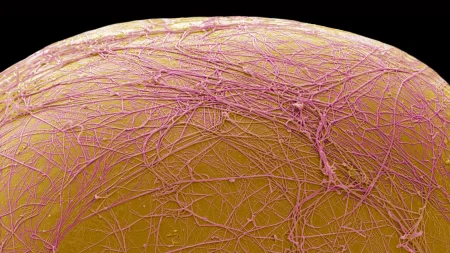
When hantavirus enters the body, it doesn’t just settle in quietly; it commandeers your cells like a high-tech hijacker. Picture the virus as a tiny, flower-like bundle of proteins that tricks human cells into inviting it inside. Once inhaled, those glycoprotein “flowers” latch onto a protein on lung cells, called protocadherin-1. The cell gulps it up into a compartment, and as acids surge to break it down, the virus reveals its full arsenal—like a Swiss army knife unfolding blades to pierce the cell’s membrane. Fusion happens, releasing viral RNA that hijacks the cell’s machinery, turning it into a factory for more viruses. It’s a scary metaphor for loss of control, your own body becoming a zombie machine against you. But not everyone exposed feels this invasion; immunity varies, and symptoms range from mild to severe. Initial signs mirror a bad flu: fever, chills, headaches, nausea, vomiting, even diarrhea. Then, for some, it escalates to hantavirus pulmonary syndrome, where lungs fill with fluid, causing coughing, shortness of breath, and potentially deadly respiratory failure. Up to 35% fatality in severe cases—higher in older folks or those with health issues. Immunologist Sabra Klein notes it’s rare but headline-grabbing because there’s no vaccine or cure; we treat symptoms like a severe pneumonia case. It’s heartbreaking to think of those on board, perhaps feeling invincible on vacation, now fighting for air in isolation, their loved ones frantic with worry.
One chilling aspect is whether hantavirus can spread from person to person, like a contagious whisper among close friends. The answer is yes, but extremely rare, confined mostly to the Andes strain and only through intimate contact—kissing or sexual relations. Epidemiologist Michelle Haby reviewed cases from Chile and Argentina, finding just a handful where household contacts truly caught it from humans, not shared rodent exposure. On a ship with hundreds of people in confined spaces? Epidemiologists doubt it; the low numbers support single-source infections. WHO’s Maria Van Kerkhove reassures us the risk is low, with cabins isolating the infected and masks in use. It’s a comfort, imagining everyone aboard like cautious neighbors in a pandemic drill, but it underscores the fragility of human connections during crises. For the affected, like the Dutch couple or the British evacuee to South Africa, isolation adds emotional weight—missing family, missing freedom. We humans crave touch and togetherness, yet here, closeness could be deadly, making every shared meal or cabin chat fraught.
So, how did this virus sneak aboard the MV Hondius, turning a three-week Atlantic cruise into a quarantine zone? Theories swirl like ocean currents. One possibilities is stowaway rodents—rats or mice drawn by food scraps in ship’s kitchens, leaving infectious droppings in hidden nooks. As Sabra Klein points out, ships have a long history of disease-carrying critters; it’s not far-fetched to envision them as unwitting couriers. Alternatively, exposure might predate boarding, with passengers inhaling virus while on land excursions in Argentina. The incubation period of 1-8 weeks aligns perfectly with the ship’s departure timeline. WHO suspects the Dutch victims caught it during wildlife tours before sailing, with possible rodent encounters on islands or even on deck. Navy microbiologist Haby urges tracing travel histories; not all infections happened at sea. Regardless, it’s a detective tale—WHO and local health officials will scrub the ship in the Canary Islands, testing for rodent DNA or viral traces. For us, it highlights how vacation planning can blindside us; a simple hike or ship tour becomes a risk. Prevention is key: bleach cleanups, minimal rodent disturbances. It’s a lesson in humility— we share this planet with tiny beasts that can disrupt our grand plans.
Despite the dread, there’s optimism. Risk to the public remains low; WHO prioritizes safety with evacuations and monitoring. Hantavirus strikes thousands yearly globally, often unnoticed, but lacks pandemic potential due to non-human transmission. Treatment focuses on supportive care—oxygen, fluids—to let bodies fight back. For passengers now stranded, thoughts turn to home: missed milestones, emotional toll, perhaps gratitude for survival. Klein emphasizes targeted risks; it’s not random terror but a hazard for certain exposures. As the ship sails toward disinfection, we can reflect on humanity’s resilience— turning fear into knowledge. Maybe post-pandemic, we’ll appreciate cruises more, valuing health over haste. This outbreak reminds us life’s voyages involve unknowns, urging vigilance and compassion for those affected. In humanizing this, we see not statistics, but stories of courage, loss, and hope amid the waves.