





The Surprising Science Behind a Perfect Cup of Espresso
Imagine waking up to the rich aroma of freshly brewed espresso, that velvety shot that kicks off your day with just the right balance of bold flavor and subtle bitterness. For coffee lovers, achieving that ideal sip often feels like an art form, reliant on the skill of the barista and the quality of the beans. But what if the secrets of a memorable espresso weren’t just in the roast or the grind, but in something as fundamental as the flow of hot water through grounds? Intriguingly, researchers have discovered that the physics of percolation—the way fluids move through porous materials—can unlock the science of brewing that perfect shot. Drawing parallels to how gases bubble through volcanic lava or how water seeps through Earth’s crust, scientists have developed an equation to quantify optimal espresso percolation, published in the April 1 issue of Royal Society Open Science. This breakthrough bridges the worlds of geology and gastronomy, turning a casual morning ritual into a subject of serious scientific inquiry. It’s a reminder that even everyday pleasures like coffee can reveal deeper truths about the universe, inspiring us to appreciate the invisible forces at play in our daily lives.
Fabian Wadsworth, an earth scientist at Ludwig-Maximilians-Universität München in Germany, is no stranger to extreme environments. His day-to-day research dives into the explosive dynamics of volcanic eruptions, where understanding how gases and fluids percolate through molten rock can predict everything from lava flows to catastrophic explosions. Yet, it was in the unlikeliest of places—a coffee shop—that Wadsworth found a practical way to illustrate these complex concepts to his students. “I mostly work on volcanic eruptions,” he shares, his enthusiasm bubbling over like a fresh percolator. He first bridged the gap between volcanoes and espresso as a pedagogical tool, using the simplicity of coffee-making to teach fundamental percolation principles. “Coffee felt like a natural way that students might get engaged with those problems,” he explains, painting a picture of lively classroom discussions where volcanic models meet java-stained notes. This crossover wasn’t random; the same laws governing fluid flow in geology apply directly to how water interacts with ground coffee. Wadsworth’s journey from volcanic vents to espresso machines highlights how curiosity can link disparate fields, encouraging us to see the beauty in interdisciplinary discoveries. It’s stories like his that humanize science, showing researchers as passionate explorers who draw inspiration from the mundane to illuminate the grand.
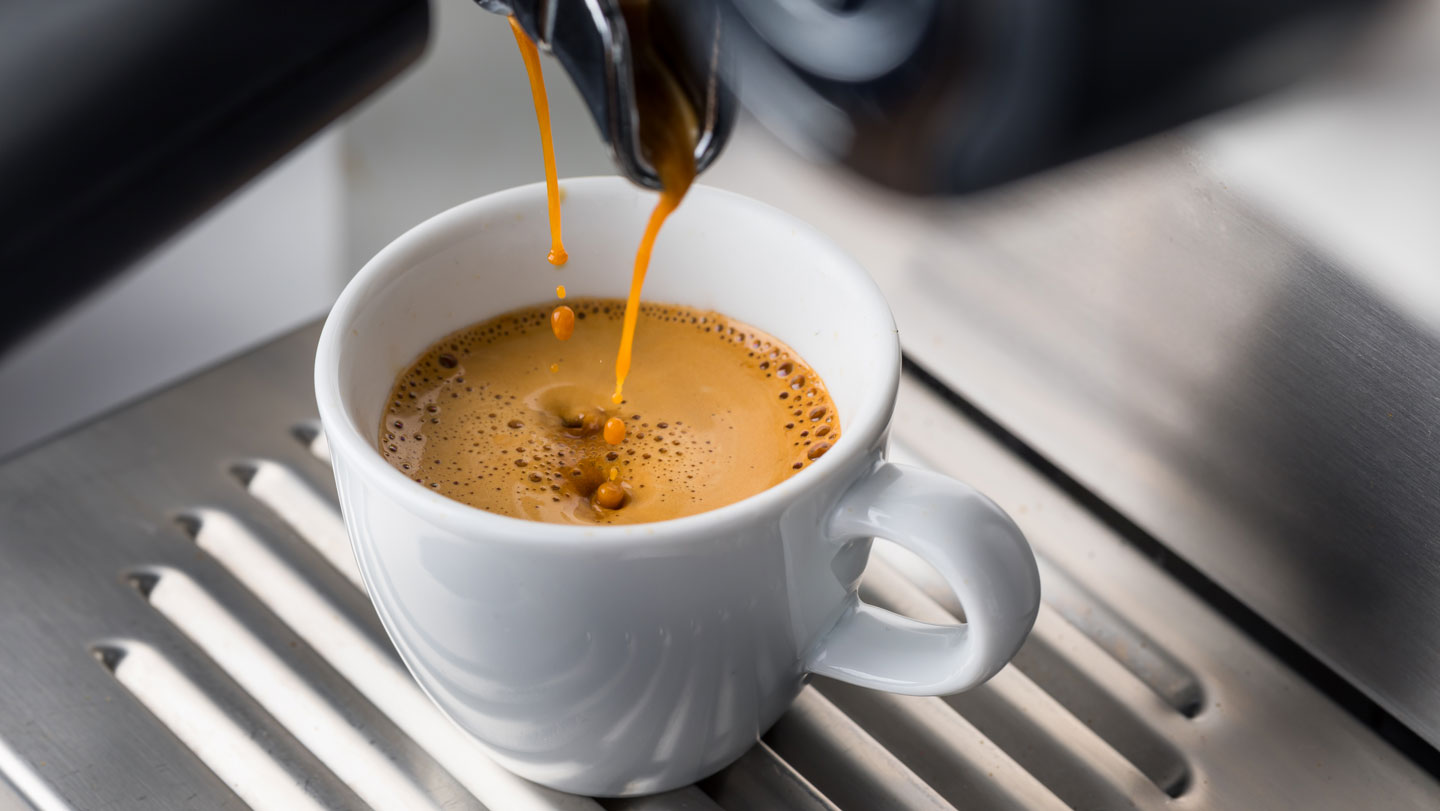
At its core, making espresso is a symphony of precision, starting with the humble coffee bean transformed into a flavorful elixir. Ground beans are packed tightly into a receptacle, forming a dense “puck” through a process called tamping. This compact body is then subjected to hot, pressurized water, which extracts the essence of flavors, bitterness, and caffeine that give espresso its signature kick. The art of percolation here mirrors geological processes, where porous materials allow fluids to pass through under pressure. Wadsworth emphasizes that the key lies in controlling how water navigates this puck, a dance of physics that can make or break your brew. For anyone who’s savored a perfectly extraction, it feels magical—the way that hot liquid, infused with the bean’s secrets, emerges as that irresistible shot. Yet behind this magic is a world of variables: the bean’s origin, the grind size, the pressure applied, and the time the water lingers. Understanding these elements through science doesn’t diminish the pleasure; it enhances it, inviting coffee enthusiasts to experiment with newfound knowledge. Like a chef refining a recipe, we can now approach espresso with the tools of inquiry, turning brewing into a mindful act that connects us to broader natural phenomena.
To master the craft, Wadsworth distills the essentials into two critical factors, making the intimidating science approachable for all. First, achieving even distribution of the grounds is paramount. Clumps must be banished, and the puck tamped uniformly under equal pressure, ensuring the coffee bed is a level playing field. “So you don’t have one area of the puck where flow is happening more than another,” Wadsworth notes, illustrating how unevenness can create shortcuts for the water, bypassing flavors and leading to an unbalanced shot. When tamped just right, the puck allows water to diffuse evenly throughout, maximizing extraction and capturing those hidden nuances—like the subtle fruity notes from a Rwandan bean or the earthy depth of a Colombian roast. This uniformity draws a direct line to volcanic challenges, where uneven pressure can lead to unpredictable eruptions, but in coffee, it promises consistency and delight. The second factor revolves around timing, or how long water interacts with the coffee particles. A denser puck slows the flow, extending contact time and drawing out more intensity, but too much can turn brilliance into bitterness. Too little, and you end up with a watery, under-extracted pour that misses the mark. It’s a delicate balance, much like walking a tightrope between overconfidence and hesitation, teaching us patience in pursuits both scientific and sensual. Wadsworth’s insights reveal that perfection isn’t elusive; it’s crafted through intentional control, inviting us to savor each step.
To prove the equation’s worth, Wadsworth and his team put it to the test in a world-class experiment that feels straight out of a futuristic lab. They analyzed two distinct roasts—Tumba from Rwanda, with its bright acidity, and Guayacán from Colombia, known for its nutty undertones—each ground at 11 different settings, yielding 22 meticulous samples. Using advanced software that reconstructs X-ray cross-sections into detailed 3D renderings, they mapped the fluid’s journey through the coffee beds, measuring permeability and flow rates with precision. This wasn’t just about data; it was about visualizing the invisible, much like watching lava bubble underground. The results were striking: the espresso percolation model mirrored established equations for gases in magma or water in sandstone, validating its accuracy. Subtle factors, like grain size, emerged as game-changers; doubling the grind size quadruples permeability, drastically altering taste profiles. “If you were to double the grain size, you increase the permeability by a factor of four,” Wadsworth explains, offering a clear metric for home brewers to tweak their grinds. This empirical triumph underscores the equation’s versatility, showing how coffee can serve as a accessible proxy for complex earth sciences. For researchers, it was a validation; for coffee aficionados, a tool to demystify the process, blending the rigors of research with the joys of a good cup.
The implications of this volcanic-coffee fusion extend far beyond the lab, sparking excitement across disciplines and sparking conversations in kitchens and coffee shops alike. Samo Smrke, a coffee science expert at Zurich University of Applied Sciences, hailed the work as “genuinely exciting,” noting how methods from one field can illuminate another’s blind spots. It’s a testament to the serendipity of science, where insights from volcanic debris inform the subtleties of a latte. Yet, Wadsworth grounds the optimism in practicality: the model caters most directly to expert baristas with high-tech machines that track pressure and flow, those who speak the language of hydraulics. “They might have a different language for talking about it, but I think they would be able to understand what we did and appreciate it,” he reflects, envisioning a future where espresso bars double as physics seminars. For the average coffee drinker, it fosters a deeper connection to the brew, encouraging mindful experimentation. Imagine adjusting your home setup with this newfound wisdom, feeling empowered rather than overwhelmed. This research humanizes science, reminding us that knowledge can enhance life’s simple pleasures, turning a frappe into a philosophical exploration. As we sip, we’re not just consuming caffeine—we’re participating in a universal narrative of flow and discovery.