






The Curious Case of the Shrew’s Expanding Winter Nose
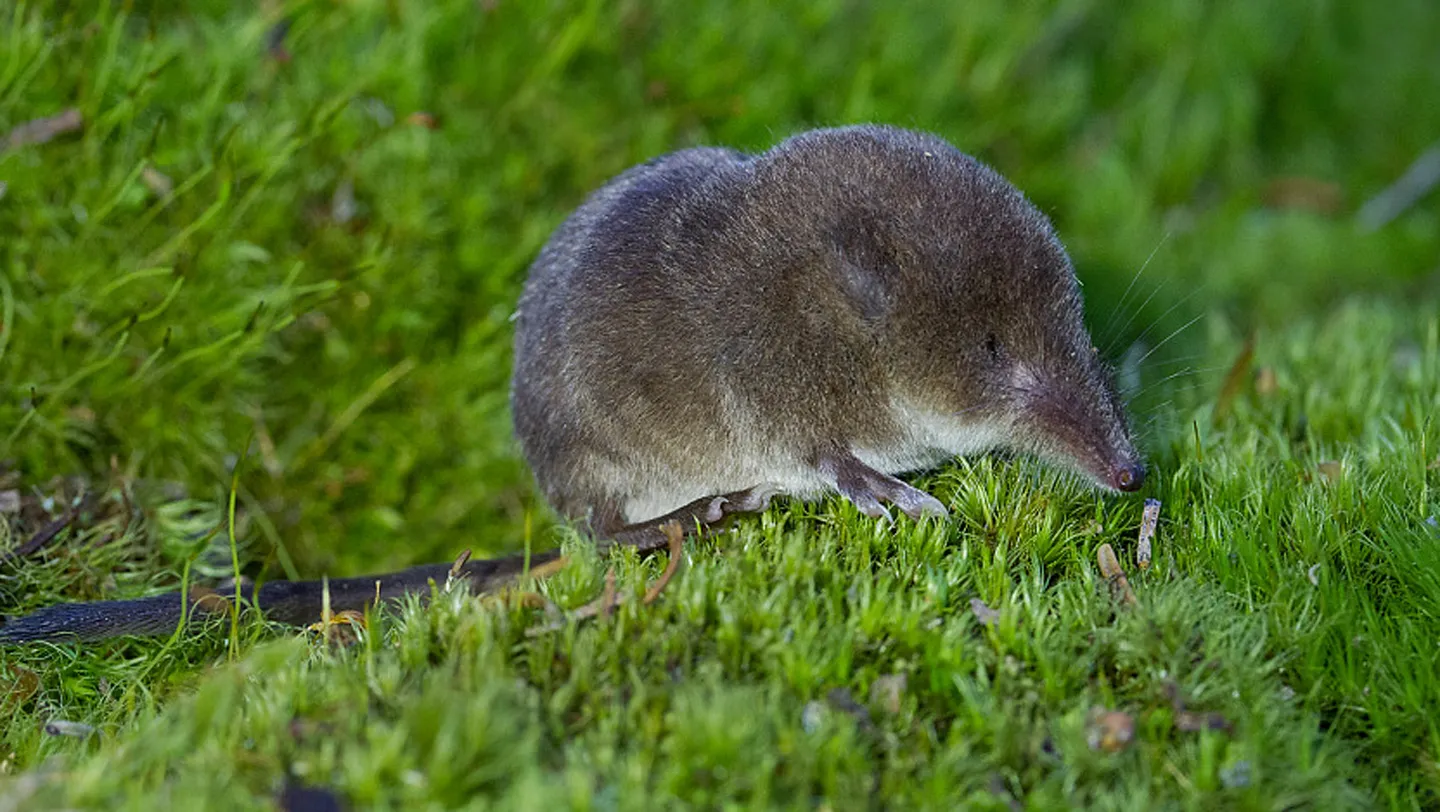
In the animal kingdom, survival often demands remarkable adaptations, but few are as peculiar as what scientists have recently discovered in a small creature native to Japan’s northern island of Hokkaido. The long-clawed shrew, a tiny insectivore that weighs barely more than a few paperclips, possesses a truly extraordinary ability: when winter arrives, its nose actually grows larger. This seasonal swelling represents a fascinating reversal of what researchers previously understood about how these animals cope with harsh, frigid conditions. While the shrew’s brain and skull shrink during the cold months—a well-documented survival strategy—its snout expands in the opposite direction, creating a biological paradox that has left scientists both puzzled and delighted.
This phenomenon, known as Dehnel’s phenomenon, was first described by Polish zoologist August Dehnel in 1949 and has long fascinated biologists studying how small mammals survive extreme winter conditions. The basic principle involves a remarkable downsizing: as temperatures drop and food becomes scarce, shrews and certain other small mammals like weasels, voles, and moles actually reduce their body size and internal organ mass. This dramatic shrinkage is thought to be an energy-saving adaptation, as maintaining smaller tissues requires fewer calories—a crucial advantage when food is hard to find. The brain and surrounding cranium, being particularly energy-hungry organs, are among the tissues that shrink most noticeably. This winter weight loss helps these tiny creatures stretch their limited food resources further, allowing them to survive until spring brings renewed abundance.
The new research, published in the Proceedings of the Royal Society B, adds an unexpected twist to this established understanding. A team of researchers led by Yugo Ikeda, a mammalogist at Toyo University in Tokyo, decided to investigate whether shrews outside of Europe also exhibited these seasonal changes. Northeast Asia, with its extreme, snowy winters, seemed like an ideal place to look. The researchers carefully examined 136 skulls of long-clawed shrews collected between 1948 and 1988 on Hokkaido, using sophisticated software to measure dozens of physical landmarks on each specimen. They then compared these measurements with the seasons when the shrews were captured, expecting to find the familiar pattern of winter shrinkage. What they discovered instead was something far more surprising: while the braincase did indeed shrink as expected, the shrews’ snouts were growing significantly larger during the winter months.
The numbers tell a striking story. During winter, the shrews’ snouts became approximately 7 percent taller and 6 percent wider, expanding to about 2.43 and 2.19 millimeters respectively. When spring arrived, the snouts returned to their smaller size, creating a seasonal rhythm that defied the traditional pattern. Ikeda describes the moment of realization as both shocking and thrilling. “It wasn’t following the traditional playbook at all,” he says, calling the discovery a “reverse Dehnel’s phenomenon” that caught the research team completely off guard. The finding challenges the assumption that skeletal plasticity in these animals is simply an all-or-nothing shrinking act, revealing instead a more nuanced and complex adaptation strategy than anyone had previously imagined.
The researchers have developed several hypotheses to explain why the nose might expand while other body parts shrink. One compelling theory involves blood vessels and temperature regulation. A larger nasal cavity would provide more room for a rich network of blood vessels, which could efficiently warm freezing air as the shrew inhales, protecting the delicate, winter-shrunken brain from cold damage. This warming mechanism might help shrews maintain clear thinking even in frigid conditions, despite their reduced brain size. Another possibility relates to the sense of smell. A bigger nose would expand the surface area of the interior nasal tissues, potentially boosting the efficiency of each sniff. This enhanced olfactory ability could be crucial for finding food buried deep beneath snow during a season when resources are scarce and survival depends on locating every available morsel. Both factors might work together, Ikeda suggests, creating a multi-functional adaptation that addresses both temperature regulation and foraging efficiency.
The implications of this discovery extend beyond just understanding shrew noses. It fundamentally reframes how scientists view skeletal flexibility and adaptation in mammals. The finding demonstrates that seasonal changes in bone structure can be more sophisticated than previously thought, with different parts of the body responding differently to environmental pressures. Jan R. E. Taylor, an evolutionary ecologist at the University of Białystok in Poland who wasn’t involved in the research, is eager to learn whether this snout enlargement occurs across the entire range of long-clawed shrews, including in milder climates. Such comparisons could help identify the specific environmental factors driving this seasonal shift. For now, Ikeda and his team are planning to study the shrews’ behavior and physiology more closely, particularly how tissues inside the nasal cavity change across seasons. While tracking these changes in wild animals would require substantial effort, Ikeda remains enthusiastic: “The sheer fascination of solving this evolutionary puzzle makes every bit of hard work worth it.”