







Stress can feel like being hijacked by your own body. One moment you are calmly working through your day, and the next your heart is hammering, your palms are damp, and your mind is racing. It doesn’t matter whether the trigger is an actual threat, like a car swerving toward you, or something far more ordinary, like an overflowing email inbox, a difficult conversation, or a deadline that suddenly feels impossible. Your body responds as if your survival is on the line. That response begins in the sympathetic nervous system, the branch of your nervous system responsible for the famous fight-or-flight reaction. When it takes over, it triggers the release of stress hormones like cortisol and adrenaline into your bloodstream. Those hormones speed up your heart, raise your blood pressure, and quicken your breathing. All of this happens automatically, involuntarily, without you having to think about it. You are, in a very real sense, out of control. But scientists are learning that you can regain some of that control. The key is to understand that your nervous system also has a calming branch, the parasympathetic nervous system, sometimes called the rest-and-digest system. It is responsible for slowing things down, lowering your heart rate, easing blood pressure, and helping your body recover. The problem is that in modern life, many of us get stuck in sympathetic overdrive. Our alarm systems are triggered so often, by so many non-life-threatening stressors, that we forget how to switch them off. The good news, researchers say, is that we can learn to switch them off more deliberately. There are simple practices, some of them centuries old, that can nudge the nervous system out of fight-or-flight mode and into a state of calm. And while some of these techniques may sound strange at first, they are increasingly supported by science. Neurologist Patricio Millar Vernetti of NYU Langone Health puts it this way: “Consciously, you can’t tell your heart to slow down. But by doing these interventions, you have a little bit more control.” That sense of control, even if it is small, can make a real difference in how stress affects us.
Some of these calming techniques are already second nature. When you feel overwhelmed, you might pause and take a few slow, deep breaths. That instinct is actually backed by physiology: slow, deliberate breathing can stimulate the vagus nerve and activate the parasympathetic nervous system, which helps quiet the stress response. But there is also mounting evidence for a range of practices that might sound, at least on the surface, a little unusual. Humming, for example. Tapping on your skin. Plunging your face into cold water, or taking a cold shower. These are not just internet fads, although they have certainly become popular on social media, where they are often described as ways to “regulate” your nervous system. What that really means is calling off the sympathetic nervous system and letting the parasympathetic nervous system take over. When that happens, stress hormone levels drop, heart rate slows, and blood pressure falls. Doing this successfully, especially on a regular basis, may have significant health benefits. An overactive stress response, when it is chronic, can contribute to high blood pressure, strain on the heart, excess inflammation, and a host of other physical and mental health problems. So learning to shift gears is not just about feeling calmer in the moment; it is about protecting your long-term health. The growing interest in nervous system regulation reflects a broader recognition that stress is not just a mental state but a physiological one. It affects your entire body, and your entire body can be recruited to help you recover. You don’t need to be a meditation master or a biohacker to benefit. You just need to find a practice that works for you and, ideally, do it regularly. The parasympathetic nervous system is designed to bring you back to equilibrium. It wants to help. These techniques are simply ways of reminding it to do its job. Whether you choose breathing exercises, humming, tapping, cold exposure, or something else, the underlying principle is the same: you are sending a signal to your body that the danger has passed, or perhaps was never there at all. And over time, those signals can add up, training your nervous system to be more resilient, more flexible, and less easily knocked off balance.
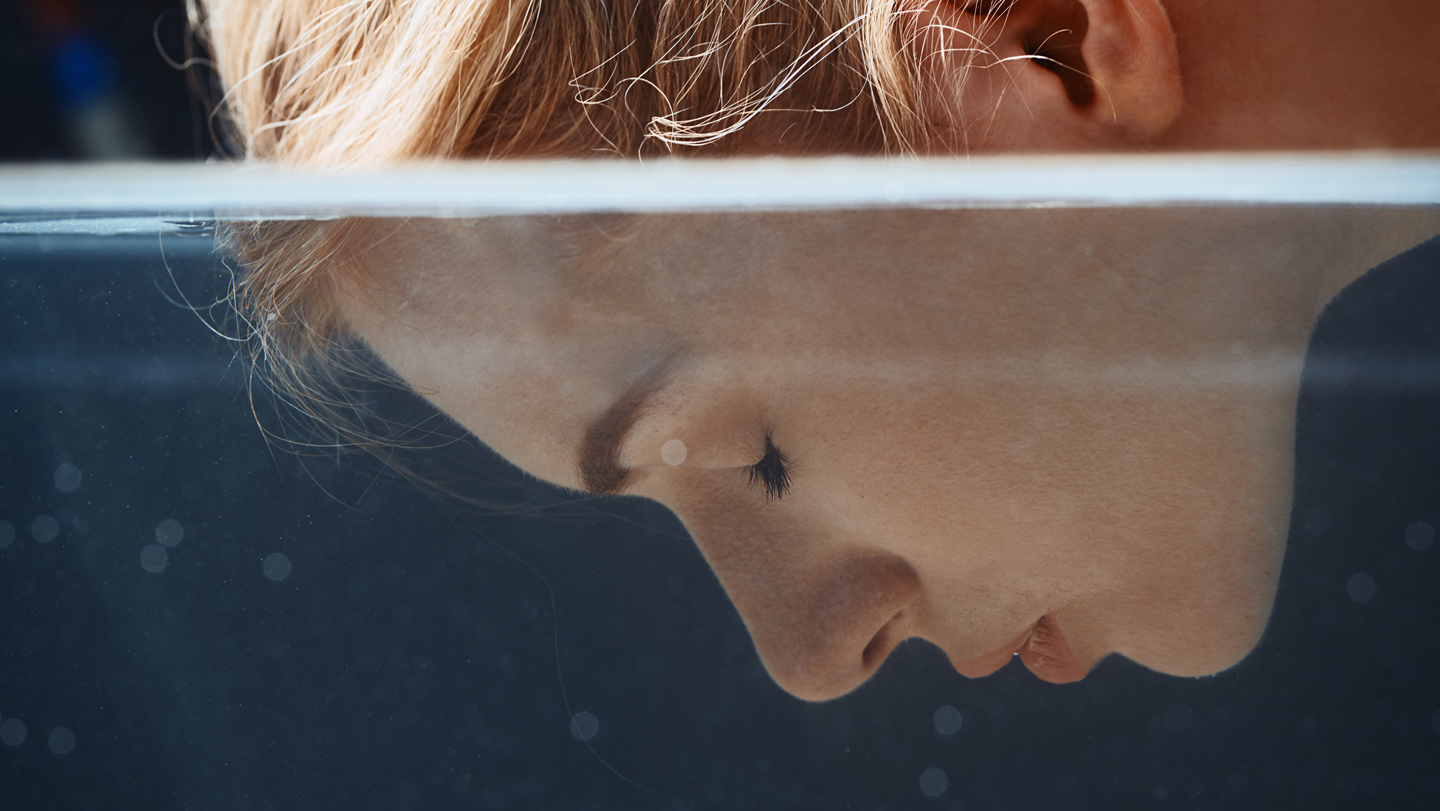
One of the most important pathways for calming the nervous system is the vagus nerve, a long, wandering nerve that runs from the brain stem down through the neck and chest and into the abdomen. It is a major highway for the parasympathetic nervous system, and stimulating it can send powerful signals of safety and relaxation throughout the body. Breathing exercises are one way to do this. Another, trendier approach is cold therapy. The idea is not just that cold water makes you feel awake; it can trigger a physiological response that slows your heart rate and lowers your stress hormones. Researchers have been studying this for years, and the results are intriguing. In one small study, scientists observed 25 people as they performed mental math, a task that reliably induces stress. Twelve of those participants wore a facial cooling mask beforehand, a device designed to mimic the sensation of submerging your face in cold water, which is a known way to stimulate the vagus nerve. The team reported in 2022 in Scientific Reports that the people who wore the mask had a different stress response than those who did not. Their cortisol levels spiked less, and they returned to baseline more quickly. In other words, a simple cold stimulus before a stressful event seemed to buffer the body’s stress reaction. You don’t necessarily need a special mask to try this. Some people splash cold water on their faces, take cold showers, or even do brief cold plunges. The point is to expose your face and body to cold long enough to trigger the vagus nerve’s calming response. It may feel uncomfortable at first, and it’s certainly not for everyone, especially people with certain cardiovascular conditions. But for those who can do it safely, cold water can be a surprisingly effective way to reset the nervous system. The effect is often described as a “diving reflex,” the same reflex that slows your heart rate when you hold your breath and put your face in cold water. It is an ancient survival mechanism, but it can be used in modern life as a tool for stress management. What’s striking is that these interventions don’t require you to consciously control your heart or your hormones. They work through the body, using ancient pathways that your nervous system already understands. You’re essentially giving your body a physical reason to believe that it is safe, and it responds accordingly.
Humming and tapping might seem even stranger, but they too appear to help activate the parasympathetic nervous system. Humming, for example, creates vibrations that can stimulate the vagus nerve, especially when combined with slow breathing. Scientists reported last year in the journal Physiology & Behavior that slow breathing plus humming can increase heart rate variability, a measure of the fluctuating time between heartbeats. That might sound technical, but heart rate variability is actually a valuable marker of how well-regulated your nervous system is. A high heart rate variability means your heart is not beating like a metronome; instead, the time between beats is constantly adjusting, which is a sign that your body is flexible and able to respond to changing demands. Physical therapist Karin Steere of the University of Puget Sound in Tacoma, Wash., explains it this way: it signals that “your body is doing less fighting itself on the inside” and is seamlessly switching between stress and relaxation. In other words, your nervous system is not stuck in one gear. It can rev up when needed and slow down when the challenge has passed. Tapping, sometimes called EFT or emotional freedom technique, is another practice that has gained a large following. It involves tapping with your fingertips on specific spots on your skin, often on the face, chest, or hands, while focusing on a stressful thought or feeling. It may look strange, but there is a growing body of research suggesting it has real effects. A 2025 research review argued that tapping may generate electrochemical signals that travel from nerves up to the brain, telling the parasympathetic nervous system that it’s time to take over. The existing data suggests that tapping can lead to drops in stress hormone levels, as well as declines in heart rate and blood pressure. It is also one element of Eye Movement Desensitization and Reprocessing therapy, or EMDR, a treatment that has been used for conditions such as PTSD. Tapping is appealing because it is simple, portable, and can be done almost anywhere, at your desk, in a meeting, or at home. You don’t need any equipment, and you can learn the basics in minutes. Like humming, it may work partly because it gives your body something physical to focus on, interrupting the cycle of anxious thoughts and sending a calming signal through your nervous system. The science is still evolving, but the pattern is clear: techniques that engage the body, whether through vibration, gentle pressure, or temperature, can influence the way your nervous system responds to stress.
So which of these techniques should you try? The honest answer is that there is no single best method. Darshan Mehta, medical director of the Benson-Henry Institute for Mind Body Medicine at Massachusetts General Hospital in Boston, points out that there are small, one-off pilot studies supporting nearly every viral nervous system regulation technique. That makes it difficult to identify one superior approach. It also means we should be careful not to treat these practices as miracle cures or to assume that because a study found a positive effect, it will work exactly the same way for everyone. But the lack of a clear winner is not necessarily bad news. In fact, it may be liberating. It means you are free to choose the practice that resonates with you, the one you will actually stick with. “It’s not important which practice [people adopt],” Mehta says. “It’s important that people do practice.” That advice cuts against the tendency to endlessly search for the perfect routine. We want to find the one technique that will finally fix our stress, but the research suggests that consistency matters more than the specific method. A daily habit of slow breathing, humming, or tapping is likely to do more for your nervous system than an occasional session with a highly touted technique. Think of it like physical exercise: the best workout is the one you actually do. The same is true for nervous system regulation. Pick something simple, something that feels manageable, and make it a regular part of your day. Maybe it’s three minutes of slow breathing every morning. Maybe it’s humming while you commute. Maybe it’s splashing cold water on your face before a stressful meeting. The details are less important than the ritual. The evidence base may be young, and much of it relies on small studies that need to be replicated, but the underlying principle is well established: your nervous system is responsive to signals from your body, and you can learn to send it calming signals deliberately. That is not a guarantee that you will never feel stressed again. Stress is a normal and sometimes necessary part of life. But it does mean you have more agency than you might think. You are not simply at the mercy of your stress response. You can influence it, gently and gradually, through practices that have been around for decades, and in some cases, for centuries.
In fact, some of these so-called new techniques are very old. Vernetti notes that chanting and humming, for example, are part of some ancient spiritual practices. “This is one of those things that science has caught up with relatively recently,” he says, “but people have been doing for centuries.” That is a comforting thought. It suggests that human beings have always known, at least intuitively, that making sound, moving air, touching the body, and using cold water could help soothe the mind. Modern science is now confirming what many traditions have long taught: the body is not just a vehicle for the mind; it is a partner in emotional regulation. When you hum, you are not just making noise. You are vibrating your vocal cords, your chest, your skull, and stimulating nerves that run through your neck and torso. When you tap, you are not just fidgeting. You are sending tactile signals that can travel up to your brain. When you cool your face, you are not just refreshing yourself. You are activating an ancient reflex that tells your heart to slow down. These are small acts, but they can add up to something significant: a nervous system that is more resilient, more flexible, and more capable of returning to calm after a stressful event. The next time you feel the familiar signs of stress, the racing heart, the shallow breathing, the tight chest, you might remember that you have options. You don’t have to wait for the feeling to pass or hope that your body will figure it out on its own. You can take a breath, maybe a slow one. You can hum a few notes. You can tap your fingertips gently on your chest. You can splash cold water on your face. None of these are magic, and none of them will erase the challenges of your day. But they can shift your physiology just enough to give you a foothold, a reminder that you are not entirely at the mercy of your stress response. The goal is not to eliminate stress from your life; that would be impossible and, in some ways, undesirable. Stress can motivate us, focus us, and help us rise to challenges. The goal is to be able to come back down afterward, to find the off switch, to let your body know that the crisis has passed. Science is showing that we can do this, not by willing it to happen, but by using our bodies as instruments of calm. And that is a message worth humming about.