







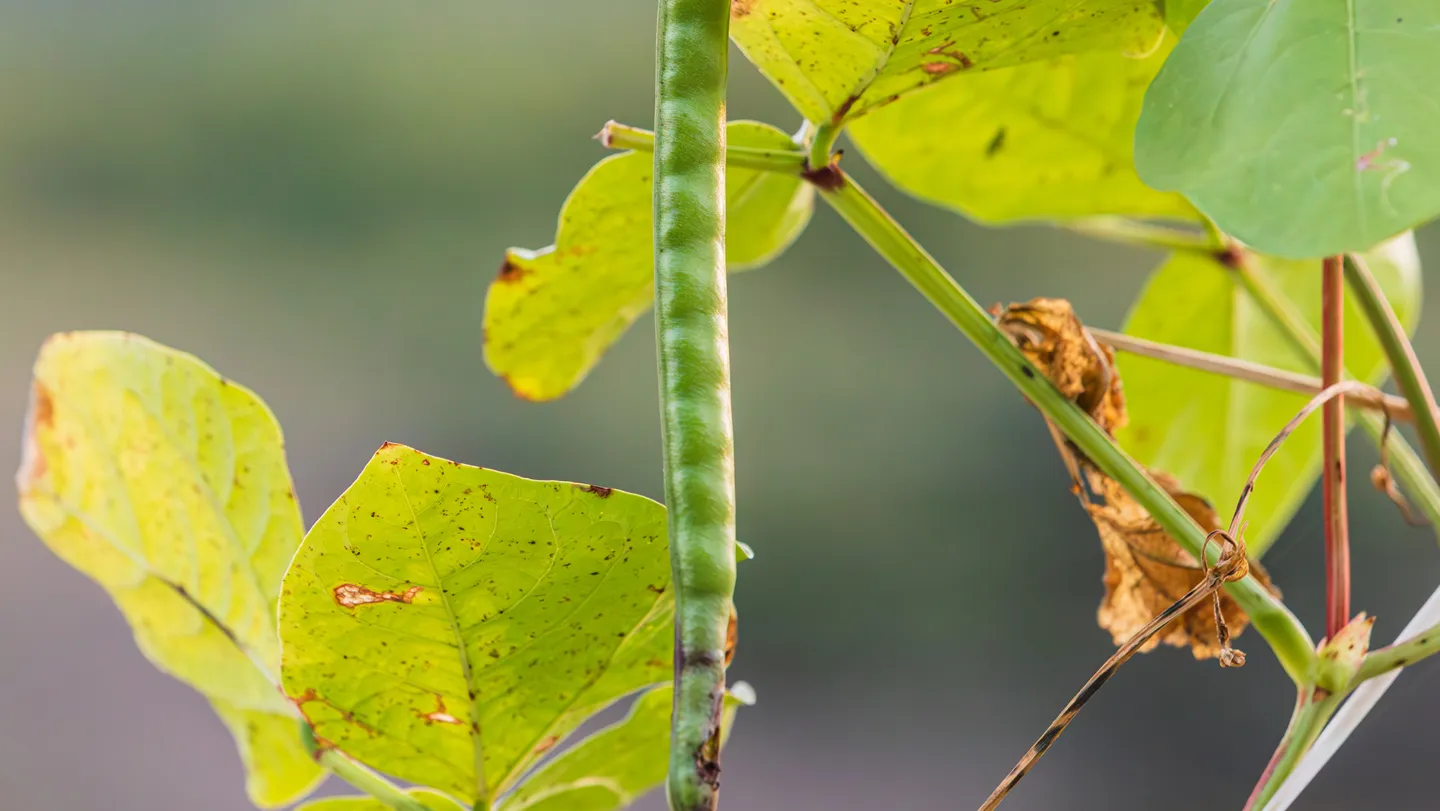
In the intricate dance of nature, survival often depends on clever alliances that are invisible to the naked eye. This is beautifully illustrated by the fascinating relationship between cowpea plants, the fly larvae that feed on them, and a hidden world of soil microbes that come to the plants’ rescue. When the munching begins, these unassuming plants don’t just take the damage lying down; they orchestrate a silent call for help that echoes down to the very ground beneath them. This isn’t a story of passive victimhood, but one of a proactive, sophisticated defense system that involves nurturing a supportive community in the soil, ultimately creating a protection mechanism so durable that it extends an umbrella of safety not just to themselves, but to their future offspring. It’s a story that reveals the remarkable complexity of the natural world and blurs the lines we often draw between above and below ground, ultimately offering a compelling new lens through which to explore sustainable pest control for our food.
To truly grasp the wonder of this discovery, it helps to understand the battleground. The American serpentine leafminer is a devastating invasive fly, a tiny creature whose unassuming name belies the massive threat it poses to agriculture. Native to the southeastern United States and the Caribbean, it has since spread its wings to invade parts of Asia, Europe, and Canada. Its larvae are the real villains of this story, mechanically munching their way through the leaves of all sorts of crops, including cowpeas, eggplants, and beans. They bore and tunnel through the plant’s tissue, eating their fill and leaving behind a web of damages. Without human intervention, these leafminers can completely destroy all leaves, causing farmers to lose a significant portion of their harvest. A common approach is to bring in the fly’s natural enemy, the parasitic wasp, which lays its eggs inside the leafminer larvae. When these eggs hatch, the new wasp larvae feast on the young fly, killing it from the inside out. However, the big question that ecologists had was how to most effectively deploy these wasps as biological control agents to help our crops.
Plants have a fascinating range of defense mechanisms, and a key one is their ability to call in reinforcements. When a pest like a leafminer begins to nibble on them, they can’t run away; they have no choice but to fight with their chemistry. Some plants have, over millions of years of evolution, learned to release specific volatile chemical compounds into the air when they are under attack. These airborne organic molecules are essentially an ear-piercing cry for help, a signal that travels through the atmosphere toward a very specific recipient: the parasitoid wasp. When a wasp detects these chemical signals, it acts as a skilled avenger, responding to the plant’s SOS and, in the process, predating on the bugs. This above-ground warfare, however, is a short-lived measure. The chemical mayflies are ephemeral; they are only produced while the herbivore is actively feeding and will dissipate as soon as the all-clear is sounded and the case of the munchies is gone. While this defense is effective, manipulating it in real-time to protect a crop is a bit like trying to call a fire department, but you can only call them during a fire.
Step into the soil. A growing body of research is showing that both above-ground and below-ground worlds are intricately connected and often function as one. In the case of the cowpea, the story takes a fascinating twist. The trick is that soil is not homogenous. It is packed full of diverse communities of microbes – bacteria, fungi, and other organisms – that constantly interact with plant roots. In turn, the plants can influence the composition of this soil community by releasing a unique chemical signature, often through the roots, which only grows in response to different conditions. It turns out that when a herbivore like the unsuspecting leafminer is feeding above ground on a cowpea plant’s leaves, the plant communicates this stress downward. The roots secrete a new cocktail of chemicals into the soil, changing the microstructure of the local microbial community. This altered set of bacteria that now dominate the root zone becomes the custodians of a secret: they essentially help to prepare the next generation of cowpeas for the next hostile event.
The ecologists conducted a clever sequence of experiments to connect these dots. They grew a cohort of cowpea plants and allowed leafminer larvae to feed on their leaves. Once the insects had done their damage, they removed the plant above ground, but the story wasn’t over yet. They took the soil from this infested environment and planted it with a fresh batch of cowpea seeds. To their surprise and delight, this new generation of cowpeas, which were growing in this “used” soil, were a magnet for the wasps. In a separate control group, using soil that had never been in contact with the threat, the new cowpeas did not get the same attention. The wasps always choose correctly. They were far more attracted to the cowpeas grown in the soil that had experienced the first wave of leaves. The DNA analyses pieced everything together: the presence of the leafminer larvae had triggered a chain reaction that had begun with the roots of the plants sending out a chemical summons to the soil. This, in turn, nurtured a specific type of bacteria in the dirt. This community of bacteria, now primed by the process, could then use its own chemical signals to influence the next-gen cowpeas. It directed them to release an airborne molecule called (Z)-3-hexenyl acetate, and this molecule acts as a siren for those parasitoid wasps, drawing them in even in the absence of any herbivore to feast on.
This phenomenon points towards a durable and long-lasting protection, showing that ecology is a complex, networked system. The important point of it all is that the legacy of a pest attack isn’t just damage—it’s an information transfer and a proactive defense measure. The study highlights that root microbes act as a repository for the memory of an attack, ensuring that defensive mechanisms don’t have to be rebuilt from scratch every single time. This drastically reduces the window of vulnerability for the next generation of plants. The science even opens the door for the possibility of relying on this natural Earth-based SOS as an effective biological control method. It might be a much more sustainable approach to pest management than the excessive use of chemical pesticides. This relationship isn’t just about the immediate crisis—or even the war between a specific plant and a specific bug; it’s about the culmination of many connected parts working in part an ecological curation garden.
Michelle Afkhami of the University of Miami, who wasn’t part of the research, sums up the wonder of it—the hidden actors in our environment. “Even though we can’t see them with a naked eye, [microbes are] affecting quite a bit of what’s going on around us.” That in itself is the most profound message from the study. It’s a statement on how much, even with our advanced scientific awareness, we have yet to truly see and understand the hidden network working just below our feet and within plant leaves. The study reminds us that nature operates on a brilliantly innovative system of trigger, response, and memory. The microbes are not just silent bystanders; they are active participants in the world’s resilience. The cowpea and its soil microbes are an exciting and stunning insight into the world that we are just starting to unravel, reminding us that nature often holds profound solutions, and perhaps for ensuring our own future food security, sometimes looking downward more is the key to strengthening what happens above the ground.