



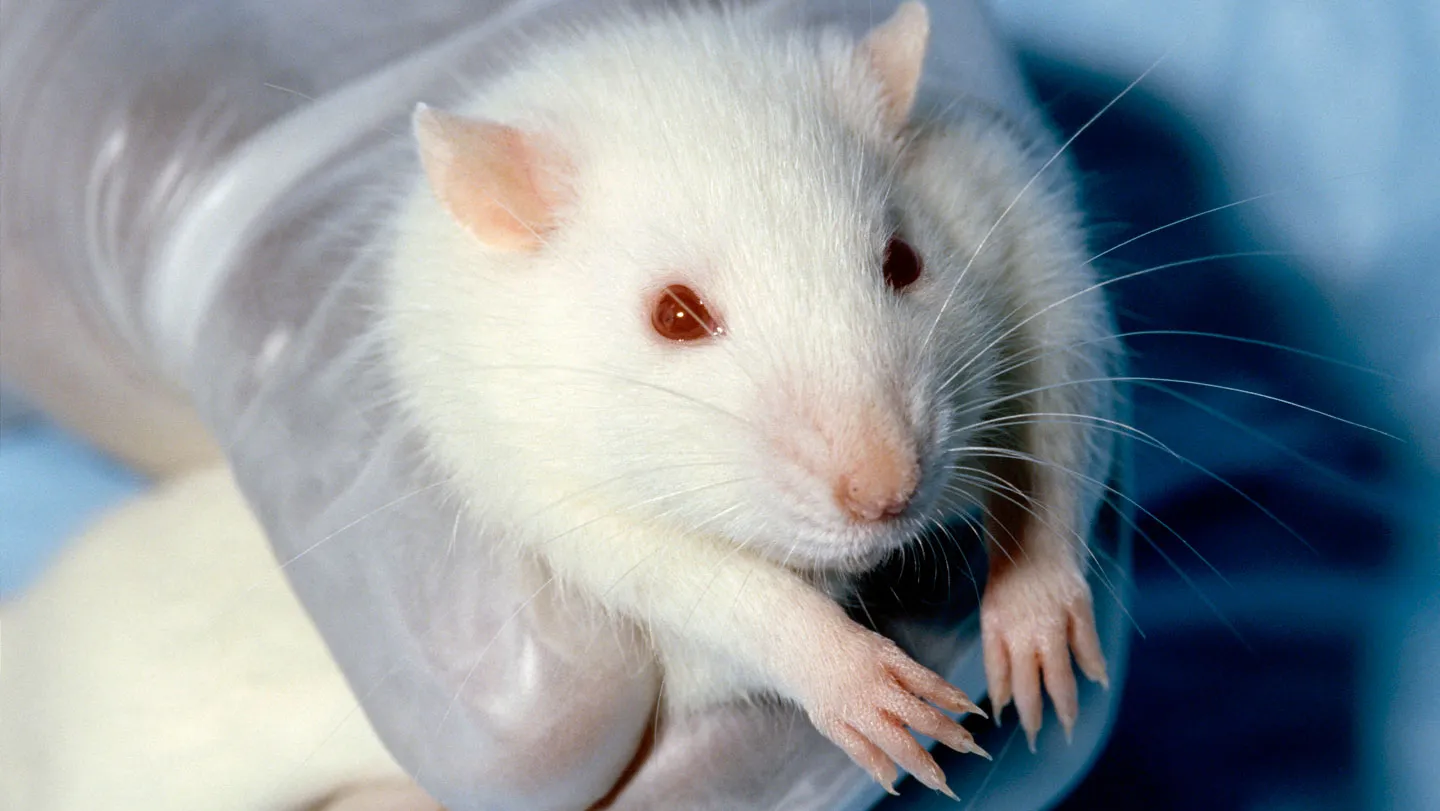
For nearly a decade, Vincent Bombail has dedicated his days to the peculiar yet fascinating task of tickling rats—an endeavor that might sound like something out of a whimsical children’s book but is, in fact, serious science aimed at unraveling the mysteries of animal happiness. Picture this: a researcher in a lab coat, gently flipping over rodents to mimic the playful tussles of juvenile rats, all in the name of understanding their emotional world. It’s a far cry from the clichéd image of cold, detached scientists poking and prodding; Bombail’s work is rooted in empathy and curiosity, driven by a desire to see beyond the squeaks and scurries. Yet, as data from these sessions rolled in, a pattern emerged that challenged assumptions: not every rat reacted the same way to this so-called “standard” technique. Some seemed genuinely delighted, chirping and darting about excitedly, while others appeared indifferent or even slightly agitated, their bodies tense under the touch. It was as if these small creatures had their own personal thresholds for what constituted fun, turning a simple protocol into a window into individual personalities and preferences. Bombail, an animal behavior researcher at Scotland’s Rural College in Edinburgh, had stumbled upon something profound—the idea that happiness, even in animals, isn’t universal. By observing these variations, he wasn’t just collecting data; he was building bridges to comprehend how these beings experience joy, paving the way for more nuanced studies that could reshape how we think about stress, play, and well-being in the animal kingdom.
Diving deeper into this world of rat emotions, it’s important to appreciate the historical backdrop that led to such innovative research. Back in the 1930s, scientists were obsessed with the darker side of life, deliberately subjecting rats to stressful scenarios like electric shocks or mazes designed to frustrate, all to study the physiological toll of negativity. Hormones spiked, immune responses faltered, and the gut microbiome shifted under the weight of chronic stress—these were the measurable markers of unhappiness. But what about the flip side? What triggered an animal’s heart (or in this case, its tiny brain) to leap with delight? It took decades for researchers to catch up, not until the 1990s when a playful breakthrough emerged: the standardized tickling protocol. Simply put, a human would scoop up a rat, flip it onto its back like a playful wrestling move, and gently tickle its belly while pinning it down. This was meant to replicate the rough-and-tumble scrambles of young male rats, a behavior rooted in their social and physical development. Yet, Bombail’s keen eye noticed discrepancies right away—some rats responded with enthusiastic chirps and relaxed postures, signaling true enjoyment, while others wigged out or went limp, as if tolerating the ordeal rather than relishing it. This observation sparked his curiosity, leading him to explore whether rats could “tell” researchers about their preferences. In a humane twist to animal studies, he designed experiments that let the rats voice their opinions through behavior, transforming tickling from a one-size-fits-all method into a conversation between species. It’s a reminder that even in the quest for knowledge, we must listen to the subjects themselves, ensuring that our pursuit of science doesn’t overlook individual lives.
In crafting his experiment, Bombail sought to give the rats a say, quite literally, in what they found pleasurable. He set up controlled sessions where rats could experience three distinct treatments: a high-pinning version of the classic tickling, where they were firmly held and vigorously poked for extended periods; a low-pinning alternative, gentler and more interactive, where they could engage in chasing the experimenter’s hand and receive light scratches with fewer restraints; and a neutral control with no human interaction at all. To gauge their reactions, he tapped into a clever aspect of rat psychology: their ability to form associations. After each session, the rats were presented with digging tasks, sifting through different materials—like soft felt, slippery ribbons, or crunchy cardboard—to unearth hidden treats. The idea was ingenious—if a rat truly enjoyed the preceding tickling, it would remember the experience fondly, making the associated digging material more appealing in future choices. Imagine it as creating a menu of experiences: high-pinning like a loud, boisterous party; low-pinning akin to a casual game of tag; and no interaction as a quiet, solitary nap. Bombail watched intently as the rats navigated these options, their noses twitching and paws scrambling, turning what could have been tedious observation into a lively narrative of choice and preference. This method not only humanized the rats by treating them as decision-makers but also highlighted the ethical evolution in biology, where animals are seen as sentient beings rather than mere subjects.
The results from these trials painted a vivid picture of gender-based differences in rat play styles, echoing broader truths about personalities and perceptions. Male rats, it turned out, were egalitarian in their enthusiasm, showing no strong bias between the high-pinning and low-pinning treatments—they selected those associated materials more often than the control, suggesting both intensities of tickling scratched an itch of satisfaction. It was as if the males thrived on the physicality, their bold, assertive natures drawn to the challenge and contact. Females, however, had a more discerning palate. They only marginally favored the high-pinning over no interaction, but they strongly gravitated toward the low-pinning option, choosing its paired material far more frequently. This hinted at a preference for subtlety over intensity, where gentle chasing and brief tickles trumped prolonged wrestling. Bombail linked this back to natural behaviors: in the wild, young male rat play is often more boisterous and dominant, involving rough grappling that prepares them for social hierarchies, while females engage in lighter, more evasive interactions, darting and weaving to build agility and bonds. It’s a fascinating parallel to human dynamics—think of how men might charge headfirst into competitive sports, while women opt for cooperative games like yoga or dance. These findings underscored that the same stimulus can evoke vastly different emotions depending on the individual, potentially skewing results in studies that assume uniformity. Providing rats with agency in their “happiness surveys” revealed layers of complexity, making the science feel more like storytelling than statistics.
Experts in the field have hailed this work as a groundbreaking step toward empathizing with animals on a deeper level, and comments from those outside the study only amplify its resonance. Daniel Weary, an animal welfare scientist at the University of British Columbia not involved in the research, described it as enlightening, noting how it portrays rats not just as playful creatures but as beings with rich, complex inner lives and even opinions. “Understanding the affective lives of animals is actually one of the coolest and most difficult questions there is in science,” he shared, his words evoking wonder at the emotional tapestry beneath fur and whiskers. This isn’t just about tickling; it’s about expanding our worldview to include the joys and sorrows of species we often overlook. By recognizing gender differences in rat play, Bombail’s team prompts reflections on how biases in research might mirror human expectations—after all, if we assume all rats enjoy roughhousing, we might miss subtler sources of contentment. It challenges the scientific community to design studies with greater sensitivity, ensuring that protocols don’t impose one-size-fits-all happiness models. In a world where animal rights debates rage, this research humanizes the conversation, showing that welfare isn’t just about preventing pain but fostering genuine well-being. It’s a call to action for anyone who cares about animals, inviting us to see them as emotional kin, with feelings that deserve respect and exploration.
Looking ahead, Bombail is eager to delve into the biology of bliss, shifting the focus from the shadows of stress to the sunshine of positivity. Currently, scientists know a great deal about how negative experiences cascade through the body—elevating stress hormones like cortisol, disrupting immune balances, and even altering gut bacteria, leading to maladies that ripple outward. But the mechanisms behind “feeling good” remain largely uncharted, a frontier Bombail plans to explore with enthusiasm. He envisions studies measuring dopamine surges during play, analyzing brainwaves during joyful moments, or even mapping how positive emotions strengthen immune responses and foster healthier microbiomes. This could revolutionize animal welfare, informing everything from zoo enrichments to lab practices, ensuring environments that truly nurture happiness. For Bombail, it’s personal—a passion born from years of observing rats not as lab resources but as individuals with stories worth telling. As he contemplates future experiments, there’s a sense of optimism, a belief that unlocking the science of joy will bring us closer to animals in profound ways. Ultimately, his journey reminds us that in the pursuit of knowledge, we uncover not just facts, but the shared humanity (or animality) that connects us all, making every tickle a step toward empathy in an often disconnected world.