

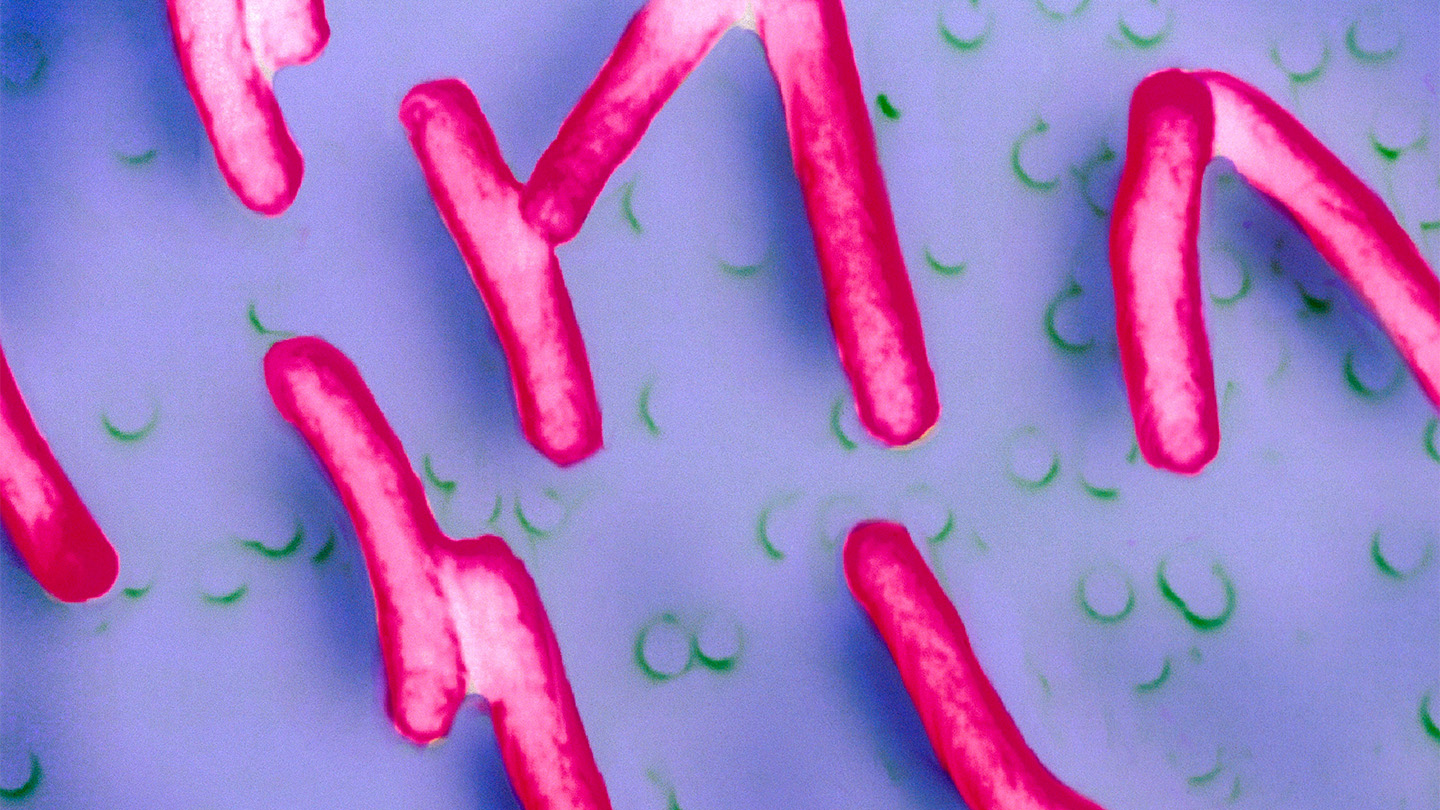
Imagine a typical family home where a simple daily routine, like sharing a home-cooked meal or washing hands before dinner, carries an invisible and terrifying threat. For millions of families around the world, this is the agonizing reality of shigellosis, an incredibly aggressive and deeply painful intestinal infection caused by the microscopic Shigella bacterium. This pathogen is a silent, highly efficient traveler, spreading through microscopic traces of fecal matter that find their way onto contaminated food, drinking water, everyday household surfaces, or through close personal and sexual contact. In the United States alone, the bacterium triggers an estimated 450,000 infections each year, bringing with it a worrying modern complication: nearly a quarter of a million of these domestic cases involve bacterial strains that are already resistant to at least one frontline antimicrobial drug, making treatment increasingly difficult. Globally, the scope of this public health crisis is immense, with the pathogen causing at least 80 million violent infections annually. The disease strikes its victims with severe, exhausting symptoms that include excruciating abdominal cramps, high fevers, persistent nausea, and severe bouts of bloody diarrhea. While a healthy adult might spend a miserable week recovering in bed, the disease poses a grave, often fatal threat to children under the age of five, particularly those living in low-and-middle-income countries with limited access to clean water, basic sanitation, or modern clinical interventions. Prolonged dehydration can rapidly lead to life-threatening complications, while systemic inflammation can leave surviving young children with stunted physical and cognitive development. Despite the staggering scale of this global burden and decades of intense biochemical research, healthcare providers have spent generations fighting this ancient diarrheal enemy empty-handed, as there is currently no approved vaccine on the market to shield vulnerable communities from its devastating path.
Against this background of widespread global suffering, a historic scientific breakthrough has finally emerged, offering a powerful new beacon of hope in the fight to eradicate diarrheal diseases. In a highly anticipated clinical study published in the prestigious journal The Lancet Infectious Diseases, an international team of researchers showcased highly encouraging results for an experimental, next-generation oral vaccine candidate known as WRSs2. This innovative vaccine takes an incredibly logical, proactive approach by utilizing a genetically engineered, live-attenuated strain of Shigella sonnei—the specific species responsible for the vast majority of shigellosis cases in industrialized nations. The inherent beauty of an oral vaccine lies in its ability to mimic the natural route of infection, actively preparing the body’s defenses at the exact biological point of entry. As explained by study coauthor Nadine Rouphael, a prominent vaccinologist and professor at Emory University in Atlanta, designing such a vaccine is a delicate, highly sophisticated balancing act of biomedical engineering. To be truly effective, the vaccine must be robust enough to survive the stomach’s harsh acid barrier and successfully colonize the mucosal lining of the gastrointestinal tract, where a wild infection would naturally initiate. At the same time, it must be gentle enough so that it does not trigger the very stomach pains, fevers, and exhausting intestinal symptoms it is designed to prevent. For years, vaccine developers have struggled to find this elusive “Goldilocks” zone—creating a live vaccine potent enough to educate the immune system, yet safe enough to cause no physical distress. The newly published data suggests that WRSs2 may have finally solved this historic riddle, displaying a level of protective efficacy that outshines virtually all historical attempts at creating a viable Shigella vaccine.
To rigorously prove the vaccine’s safety and real-world efficacy, researchers designed a meticulous clinical trial involving 108 courageous healthy adult volunteers in the United States, aged 18 to 49, who had no prior natural immunity to the Shigella pathogen. The trial was structured to evaluate different dosing strategies, ensuring that the human body could tolerate the introduced weakened bacteria without experiencing severe adverse reactions. The winding path of clinical discovery, however, is rarely without its hurdles; during the initial high-dose phase of the study, two participants developed symptoms of severe shigellosis, illustrating the raw, unpredictable potency of the bacteria and requiring their immediate, safe withdrawal from the study to receive standard antibiotic therapy. Undeterred and guided by a profound commitment to participant safety, the research team quickly adjusted their protocols, demonstrating the vital, adaptive nature of modern clinical science. They settled on a more refined, lower-dose regimen, choosing to administer 500,000 weakened S. sonnei bacteria—exactly half of the original dosage—in two separate occurrences spaced precisely 28 days apart. This deliberate timeline allowed the volunteers’ immune systems ample time to register the thread, build up a library of specialized antibodies, and establish robust cellular memory in the gut. Meanwhile, a separate group of healthy participants received a completely inactive placebo drink, establishing the essential baseline comparison needed to definitively prove whether any observed immunity was the direct result of the vaccine’s design or merely a stroke of biological luck.
Exactly one month after the final vaccinations were administered, the study progressed to its most dramatic and highly controlled phase: a human challenge model. In a secure, specialized inpatient facility where they could be monitored night and day by a dedicated team of doctors and nurses, the brave volunteers were given a drink containing a live, wild-type, full-strength dose of approximately 1,500 S. sonnei bacteria. This was a true trial by fire, designed to see if the vaccine-trained immune systems could successfully neutralize a real-world infection. The results of this challenge were nothing short of spectacular, revealing a stark, undeniable contrast between the protected and unprotected participants. Out of the 34 vaccinated individuals who had received the dual-dose regimen of WRSs2, only three people developed any symptoms of shigellosis, and an incredibly low three percent—just a single individual—experienced severe symptoms such as high fever or excessive diarrhea. In heartbreaking contrast, the pathogen ran rampant through the unprotected placebo group; out of 26 individuals who received the dummy drink, a staggering 21 fell ill with active shigellosis, and 18 of them, representing 69 percent of the group, endured severe, painful clinical symptoms. This profound difference in clinical outcomes offered vivid, undeniable proof that the vaccine had successfully fortified the mucosal lining of the gut, neutralizing the invaders almost instantly and preventing them from causing widespread inflammation, cellular damage, and painful systemic shedding.
While these extraordinary findings have generated immense excitement throughout the global medical community, independent global health experts advise a heavy dose of realistic caution, noting that the journey from a successful small-scale trial to a globally authorized public health tool is incredibly long and filled with complex obstacles. Dr. Shangxin Yang, a molecular microbiologist at the UCLA School of Medicine who was not involved in the trial, praised the results as highly encouraging but cautioned that a large-scale Phase III clinical trial, designed to satisfy international regulatory bodies, would likely take three to six years to coordinate and complete. Furthermore, there is a significant geographical mismatch between the vaccine’s design and the areas of greatest global need. While WRSs2 targets S. sonnei, which dominates infections in wealthy nations, the overwhelmingly dominant species across developing nations is Shigella flexneri, which is responsible for the majority of childhood deaths worldwide. Because this trial was conducted exclusively on healthy adults in a high-income setting, it remains highly uncertain whether this oral formulation will perform effectively in young infants and children in low-income regions, who are often burdened with existing gut enteropathy, chronic malnutrition, and diverse gut microbiomes. Adding to these concerns, epidemiologist David Sack of the Johns Hopkins Bloomberg School of Public Health raised the issue of biological variability, explaining that finding a single, globally effective oral dose is notoriously difficult because different populations react vastly differently to oral vaccines. Sack, who has worked on injectable alternative vaccines that achieved a modest 30 percent reduction in infections, suggested that intramuscular shots might ultimately offer a safer, more predictable, and more easily manufactured solution for global health programs.
Despite these scientific debates and logistical hurdles, the psychological and clinical breakthrough achieved by Dr. Rouphael and her colleagues is a monumental step forward, proving that high-level, long-term immunity against this devastating intestinal plague is indeed a tangible reality. Looking ahead, the research team is actively planning the next vital steps for WRSs2, with a strong focus on bridging the gap between urban test clinics and the high-burden communities that need this protection the most. Rouphael has expressed a deep, passionate desire to test the vaccine in vulnerable pediatric populations living in endemic areas, where Shigella infections are a persistent, everyday threat to child survival. The ultimate vision is to refine this platform, potentially combining it with protective elements against other global strains like S. flexneri to create a multi-valent vaccine that can be seamlessly incorporated into routine childhood immunization schedules worldwide. Eradicating a disease that has caused centuries of human misery, took the lives of countless children, and continues to outsmart our best antibiotics is a monumental task, but this successful trial offers a heartwarming glimpse of what is possible. It invites us to look forward to a brighter, healthier future where a simple, painless oral vaccine can finally dismantle a deadly waterborne threat, ensuring that no family, regardless of where they live, has to suffer the preventable tragedy of losing a child to shigellosis.