






Paragraph 1
In the whimsical world of “The Sheep Detectives,” there’s a character named Mopple who possesses an extraordinary superpower: as an anthropomorphic sheep, he forgets absolutely nothing. This remarkable ability places him in a long and storied tradition of fictional characters endowed with photographic memory, a seemingly magical gift that serves as both a plot device and a symbol of intellectual perfection. Sherlock Holmes, literature’s most famous detective, relies on his perfect recall to solve the most baffling crimes, mentally sifting through countless details with ease, even retreating to his conceptual “mind palace” in the BBC series to find the clues he needs. Similarly, in the medical drama “The Pitt,” a medical student named Joy Kwon becomes the hero of the emergency room when the hospital’s digital records fail, using her flawless memory to recall patient room numbers, symptoms, and treatment plans, saving lives through sheer mental recall. These portrayals create a compelling narrative in our culture: that a perfect memory is the ultimate cognitive asset, a superpower we might all secretly wish for when facing exams, forgetting anniversaries, or losing our keys.
Paragraph 2
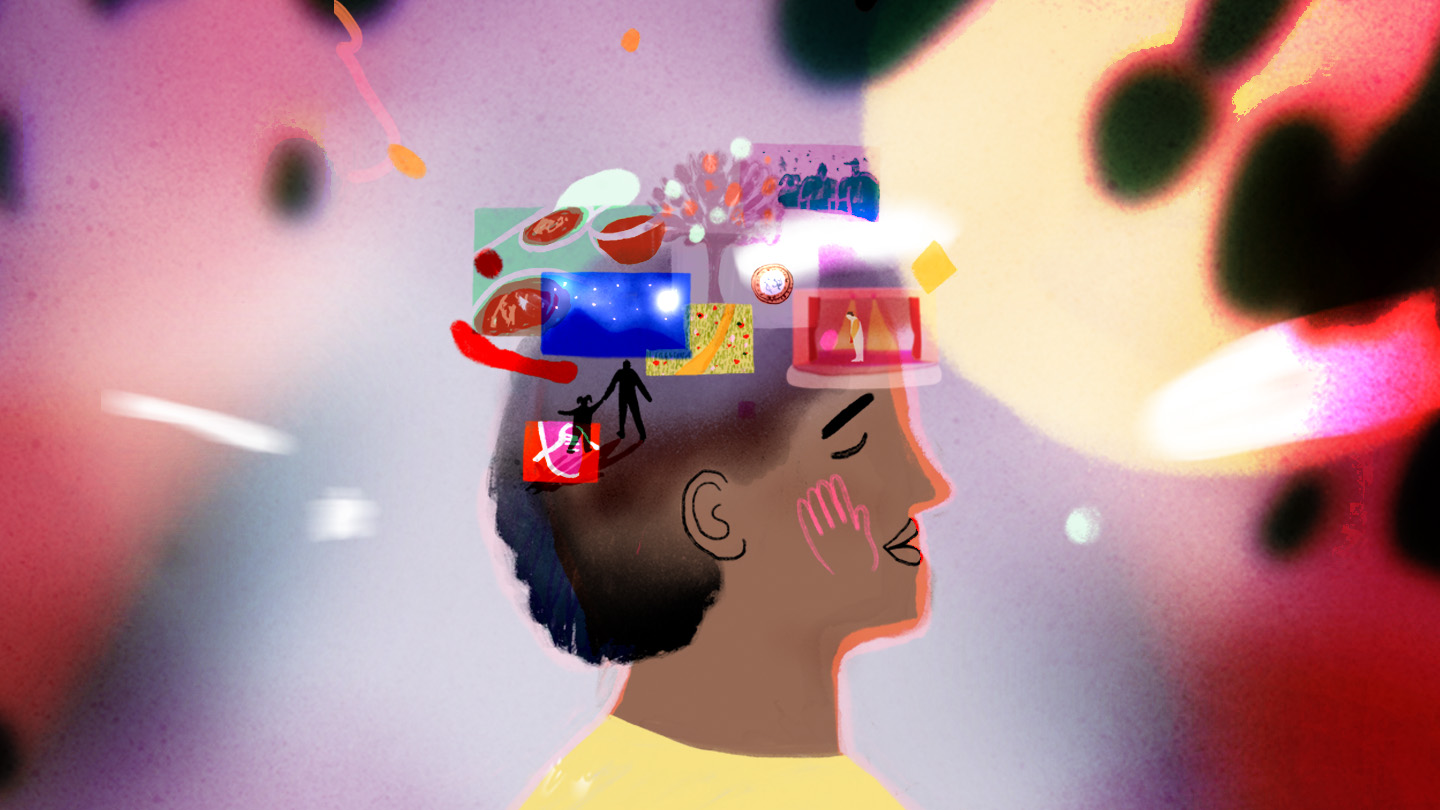
Yet, as captivating as these fictional characters are, the reality of human memory is profoundly different, and arguably much more interesting. Our brains simply do not function like video recorders, capturing every moment in perfect, high-definition detail for eternity. According to Gabrielle Principe, a developmental psychologist at the College of Charleston, many people hold the misconception that their memory “acts like a video recorder, that it exactly captures reality, that it holds on to it perfectly.” To challenge this assumption in her students, she gives them a surprisingly difficult task: draw a penny from memory. Despite seeing pennies nearly every day of their lives, none of her students can draw an accurate representation, missing details like the direction Lincoln faces or the precise placement of the text. This simple exercise reveals a fundamental truth: our minds are not storage devices for passive recordings of our lives. Instead, they are active, dynamic, and constructive processes that select, shape, and sometimes distort information, always working to create a coherent narrative rather than a perfect photographic record.
Paragraph 3
What many people perceive as a flaw in our cognitive design—our inability to remember everything—is, in fact, a crucial feature that allows our minds to function effectively. Simona Ghetti, a developmental psychologist at the University of California, Davis, explains that if we retained everything, we would “live in a very cluttered place,” mentally overwhelmed by a flood of information. The brain’s ability to forget is an essential filtering mechanism that prioritizes what is most relevant and meaningful in our lives. This selective process allows us to focus on the events and details that matter most, rather than being bogged down by trivialities that would only confuse our decision-making. Our earliest memories typically begin to form around age three, but most are soon forgotten, a phenomenon known as infantile amnesia. While occasional people claim to remember events from their birth or even from the womb, such as passing through the birth canal, these assertions rarely withstand careful questioning, revealing that our memory creation and retention processes are far more complex and selective than simple recording.
Paragraph 4
The memories we do retain are intrinsically connected to our emotional states, serving as a kind of emotional thermostat for our well-being. Without conscious effort, our minds tend to hold onto positive experiences while allowing negative ones to fade more quickly into the haze of the past. Principe notes that we psychologically protect ourselves by forgetting negative things faster than positive ones, which is “good for us emotionally.” This pattern appears to be beneficial for our mental health, as it helps to maintain a positive outlook on life. Our memories are also filtered through our self-perception, meaning we are inclined to forget experiences that contradict our sense of who we are. If someone believes they are inherently kind and optimistic, they will tend to forget times when they acted against that self-image. This selective forgetting actively works to preserve a consistent and stable identity, keeping our sense of self intact and protected from the cognitive dissonance that would arise from remembering our flaws and failures too vividly.
Paragraph 5
Even the memories we successfully retain are not the immutable, perfect images we imagine them to be; they are malleable and prone to distortion. Recalling a memory involves activating collections of nerve cells across various regions of the brain, including the hippocampi near the ears, the prefrontal cortex at the front of the brain, and the cerebellum at the back. During this complex process, errors can occur—we might accidentally incorporate something someone told us, a fragment of a dream, or something we merely imagined into a real memory. These pieces can begin to feel authentic and become woven into the fabric of our past experiences. In most cases, these false memories are harmless and innocuous, like believing you told your partner a funny story when you actually told your mother, or the event happened only in your imagination. However, when it comes to serious matters like crime, faulty memory can have devastating consequences, potentially making the difference between freedom and incarceration. Even individuals with highly superior autobiographical memory, a rare condition where people remember their lives in extreme detail, are susceptible to making errors, proving that no human memory is entirely reliable.
Paragraph 6
In a world that often celebrates the idea of photographic memory, it’s important to recognize that forgetting is what creates space for the memories that truly define us. Our minds make room for what matters by actively discarding the irrelevant and the emotionally burdensome. The impermanence of memory is not a cognitive failure but a profound gift, allowing us to be shaped by our past without being shackled to every unpleasant detail. Despite the blurred edges that time inevitably brings to our recollections, there is a deep and abiding beauty in the act of remembrance. Principe captures this sentiment beautifully with her personal reflection on nostalgia, noting that she loves being able to think back on her children and “they can still be babies when I want to conjure that up in my head.” This is the true magic of memory: not perfect recall, but the power to revisit meaningful moments, to allow our recollections to be colored by affection and perspective, and to create a personal history that is as much about who we are today as it is about what happened yesterday.