



# A New Hope in the Fight Against Melanoma: Understanding the mRNA Cancer Vaccine Breakthrough
## The Dawn of Personalized Cancer Treatment
Imagine a world where your own body’s immune system is trained to recognize and destroy cancer cells with the same precision that it fights off a common cold. This vision is edging closer to reality, thanks to a groundbreaking announcement from pharmaceutical giants Moderna and Merck. In a large clinical trial, researchers have discovered that combining an experimental mRNA vaccine with an already-approved immunotherapy drug called Keytruda can keep patients with high-risk melanoma cancer-free for longer periods compared to those receiving only the drug. This development represents more than just another treatment option—it signals a fundamental shift in how we approach cancer therapy, moving from one-size-fits-all solutions toward highly personalized medicine that works with the body’s natural defenses.
The vaccine, known as intismeran, harnesses the same revolutionary mRNA technology that brought us the COVID-19 vaccines, but it works in an entirely different way. While traditional vaccines prevent diseases before they occur, this therapeutic vaccine is designed for people who have already had melanoma and undergone surgery to remove their tumors. The goal isn’t prevention—it’s preventing recurrence. By using genetic material taken from a patient’s own cancer cells, scientists can create a bespoke treatment that teaches the immune system to recognize and attack any remaining cancer cells that might otherwise escape detection and grow into new tumors.
## Understanding the Science Behind the Treatment
To truly appreciate why this announcement has generated such excitement in the medical community, it helps to understand the sophisticated biology at work. Dr. Leslie Fecher, a medical oncologist specializing in skin cancer at the University of Michigan, explains the concept using accessible analogies. Imagine your immune system as a car with both a gas pedal and brakes. The gas pedal represents the signals that activate immune responses, while the brakes are checkpoints that prevent the immune system from attacking healthy tissue. Cancer cells are cunning; they learn to exploit these brakes, effectively putting the immune system into a state of paralysis where it cannot mount an attack.
The experimental vaccine works by introducing what scientists call “neoantigens”—novel proteins that are unique to each patient’s cancer cells. These neoantigens act like wanted posters, showing the immune system exactly what the enemy looks like. Meanwhile, Keytruda, which belongs to a class of drugs called checkpoint inhibitors, releases the brakes on the immune system. Together, this powerful combination achieves what neither could accomplish alone: the vaccine provides the specific targeting information, while the drug removes the obstacles that were preventing the immune system from acting. It’s a coordinated attack that maximizes the body’s natural cancer-fighting abilities.
## The Significance of This Medical Breakthrough
The importance of this announcement extends far beyond the impressive statistics it presents. While the pharmaceutical companies have not yet released the complete trial data, previous results suggested that this combination therapy could cut the risk of cancer returning or causing death by half. For patients facing the terrifying prospect of melanoma recurrence, these numbers represent genuine hope. But the significance goes deeper than just the clinical outcomes. Dr. Fecher emphasizes that this research helps advance our fundamental understanding of how to care for cancer patients, opening new avenues for treatment that were previously unimaginable.
Skin cancer remains the most common form of cancer in the United States, with melanoma being responsible for the majority of skin cancer deaths. More than 100,000 Americans receive a melanoma diagnosis each year, and approximately 8,500 people lose their lives to this disease annually. While most cases are caught early and treated successfully, advanced melanoma can be devastating. The past fifteen years have brought significant improvements through checkpoint inhibitors and targeted therapies, but there are still limited options for preventing recurrence after surgical removal. This new approach represents a potential leap forward in that ongoing battle.
## What Makes This Approach Different
What sets this vaccine apart from previous cancer vaccine attempts is its highly personalized nature. Cancer vaccines have been studied in melanoma patients for years, but none have reached the stringent statistical criteria required for FDA approval. The challenge has always been creating a vaccine specific enough to each individual’s cancer to be effective. Traditional approaches struggled with the logistical nightmare of obtaining tumor tissue, analyzing its genetic makeup, manufacturing a customized vaccine, and delivering it back to the patient in a timely manner. The mRNA technology changes this equation entirely, making personalized vaccine production faster and more feasible than ever before.
It’s important to understand that this vaccine is not designed to prevent melanoma in people who have never had the disease. Unlike the HPV vaccine or hepatitis B vaccine, which protect against viruses that can cause cancer, intismeran is strictly therapeutic. It’s intended for patients who have already undergone surgery to remove their melanoma, with the goal of extending the period they remain cancer-free. The trial involved patients with various stages of the disease, from high-risk stage II melanoma confined to the skin, through stage III where cancer has spread to nearby lymph nodes, to stage IV where it has metastasized to other organs but been surgically removed.
## Practical Implications and Patient Perspectives
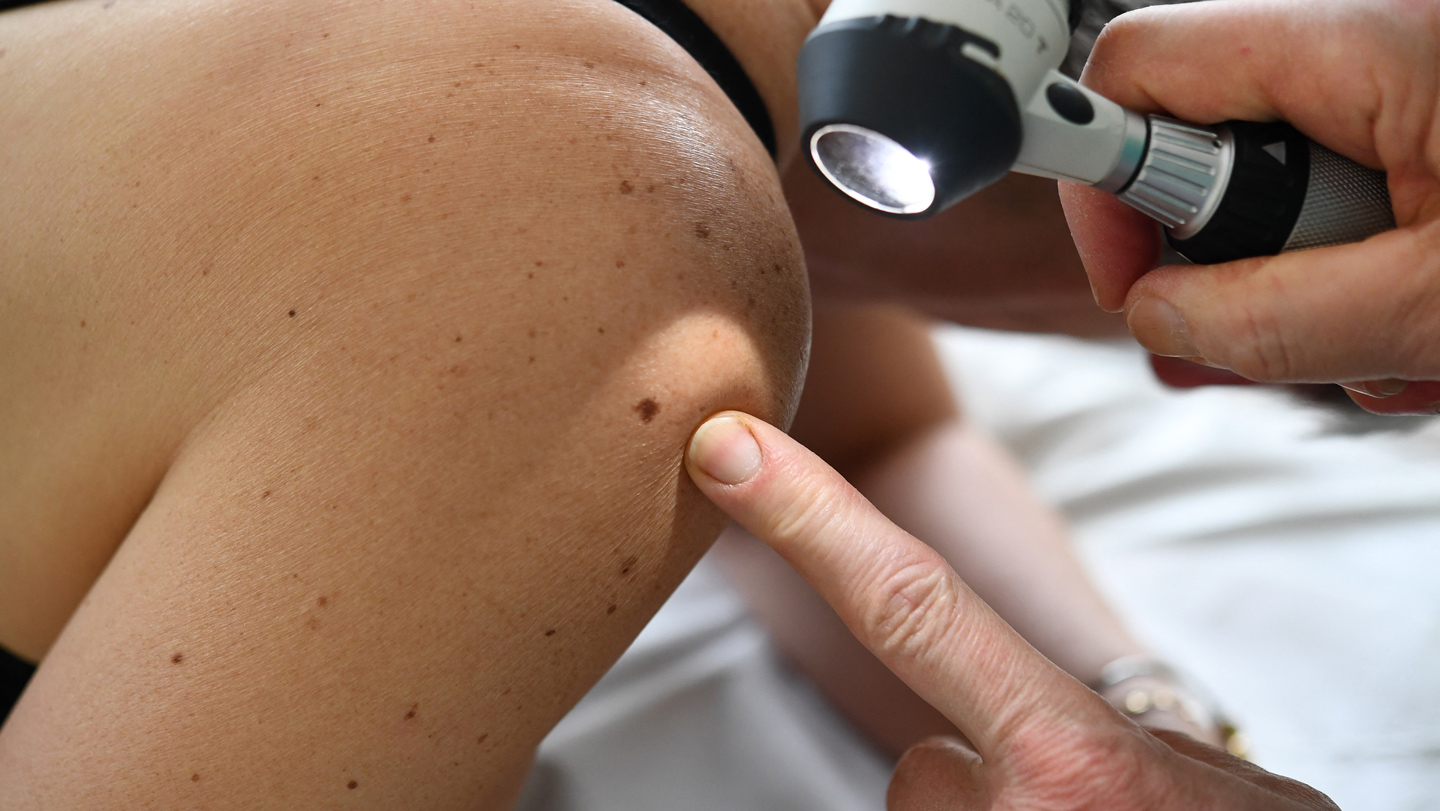
For patients and their families, this announcement carries deeply personal meaning. The prospect of a treatment that could delay or prevent cancer recurrence is profoundly hopeful, especially for those who have already faced the anxiety of a melanoma diagnosis. Dr. Fecher emphasizes that this excitement extends beyond the scientific achievement itself—it also raises awareness about the importance of skin cancer prevention and early detection. Understanding your skin, monitoring for changes, and seeking prompt medical attention for suspicious spots remain crucial strategies in the fight against this disease.
The road from this announcement to widespread clinical availability still involves significant steps. The Food and Drug Administration must review the complete trial data and determine whether to grant approval. There are also questions about accessibility, cost, and the infrastructure needed to produce personalized vaccines for large numbers of patients. However, the very fact that we’re having these conversations represents remarkable progress. Just as mRNA technology revolutionized our response to a global pandemic, it may now be poised to transform cancer treatment. While we await further details from Moderna and Merck, the melanoma community has reason to feel cautiously optimistic about what the future holds.